When parenting toddlers, so many different fun things you can do with them, helping them out developmentally. Here are some great activities you can do with your toddler to help them develop their strength and coordination, in addition to learning to express themselves more easily.
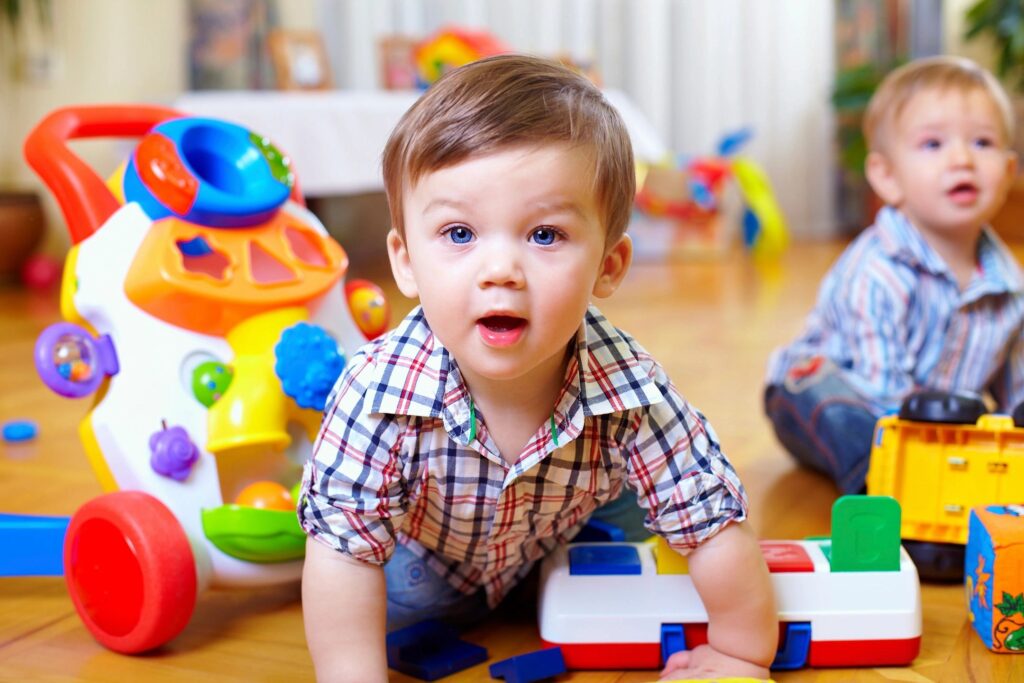
Every stage of toddlerhood brings new milestones—some physical, some verbal, and often both at once. As children grow, they develop coordination, balance, and motor skills through play while also learning how to use their voices to communicate more clearly. Parents and caregivers can encourage both areas with simple, engaging activities that fit naturally into daily life.
This guide introduces gross motor activities for toddlers that support strength and coordination, along with practical speech therapy strategies that help young children express themselves with confidence. Together, these approaches nurture whole-child development in ways that are fun, playful, and easy to practice at home.
Fun Gross Motor Activities to Build Strength and Coordination
Gross motor skills involve large body movements—running, climbing, jumping, and balancing—that toddlers rely on every day. Playful activities are the best way to strengthen these abilities while also boosting confidence.
Hopscotch for balance
Hopping between squares helps toddlers strengthen their legs and practice balance. Indoors, tape on the floor works as well as chalk outdoors, making this a flexible activity for daily play.
Obstacle courses for muscle control
Using cushions, tunnels, or boxes, caregivers can set up simple courses that toddlers crawl under, step over, or climb across. Each action challenges different muscles and builds coordination.
Jumping games for leg power
From hopping over soft toys to reaching for a ball held overhead, jumping activities strengthen the legs and teach toddlers safe ways to land.
Ball games for hand-eye coordination
Rolling, catching, or tossing soft balls requires children to track movement with their eyes and respond with their bodies. These games improve timing, accuracy, and body awareness.
These gross motor activities for toddlers not only support healthy physical development but also give children a fun outlet for energy. Over time, these playful movements prepare them for more advanced physical skills like running, climbing stairs, and eventually playing team games.
Practical Speech Therapy Ideas to Encourage Clear Communication
Alongside physical growth, toddlers also develop language and speech skills that allow them to connect with the world. Just like movement, communication can be strengthened through playful practice woven into everyday routines.
Interactive storytelling for expressive language
Retelling events, describing characters, or inventing endings encourages children to organize thoughts into sentences. Props, books, or pictures make it easier for little ones to stay engaged.
Articulation practice for tricky sounds
Repeating words or phrases that highlight target sounds (like /s/ or /r/) helps kids refine pronunciation. Using picture cards or simple games keeps this practice fun and interactive.
Play-based games to build confidence
Pretend play, scavenger hunts, or simple board games give children a natural space to practice new words and sentences without pressure.
Modeling and expansion for language growth
Adults can repeat a child’s words using correct grammar and add details to show fuller sentences. For example, expanding “dog bark” to “The dog barked loudly” helps kids learn richer language patterns.
As outlined in Forbrain’s guide on speech therapy for children, these activities encourage steady progress without overwhelming the child. Small, regular steps often lead to noticeable improvements in both clarity and confidence.
Why Movement and Speech Go Hand-in-Hand
Physical activity and language development are more connected than they might seem. Running, jumping, and climbing all strengthen the body’s coordination systems, which also support attention and focus—skills that make speech practice easier. Likewise, playful conversation during gross motor activities helps children link words to their experiences in real time.
By combining active play with speech-supportive strategies, families can nurture a child’s whole development in a balanced, engaging way.
Conclusion
Supporting toddlers doesn’t require complicated programs—just simple, playful activities repeated consistently. Whether it’s hopping across chalk squares or acting out a favorite story, these small steps give children meaningful practice in both movement and speech.
Over time, these habits build stronger bodies, clearer voices, and greater confidence—all while keeping play at the heart of learning.
Disclaimer: This article is for general educational purposes only. Always consult a pediatrician or licensed therapist if you have concerns about your child’s development.