
A sprinkler system can make caring for your yard much easier, but it can also waste a surprising amount of water if something isn’t working properly. Fortunately, many common problems have early warning signs. Here’s how to spot issues before they become expensive repairs, plus a few simple ways to keep your watering costs as low as possible.
A sprinkler system is one of those home features you barely notice until your yard starts looking confused. One patch is swampy, another looks crunchy, and somehow the sidewalk is getting a better drink than the grass. The good news is that you don’t need to be a repair expert to catch early warning signs in Clermont. If you know what to watch for, you can often stop a small issue before it turns into a soggy, expensive mess.
If your lawn suddenly looks uneven, your sprinkler system may be trying to tell you something. Maybe one area stays bright green while another turns dull and dry. Maybe you hear hissing when the system runs, or see water spraying in a direction that makes no earthly sense.
These small clues matter. A crooked sprinkler head, a worn seal, or a cracked pipe can waste a surprising amount of water. If you catch the issue early, you may avoid a bigger repair bill later.
When the problem is obvious but not simple, it helps to look into sprinkler repair in Clermont so you can get the system working properly again. That’s especially true if you’ve already tried basic adjustments and your yard still looks like it’s getting random weather.
Check the Watering Pattern
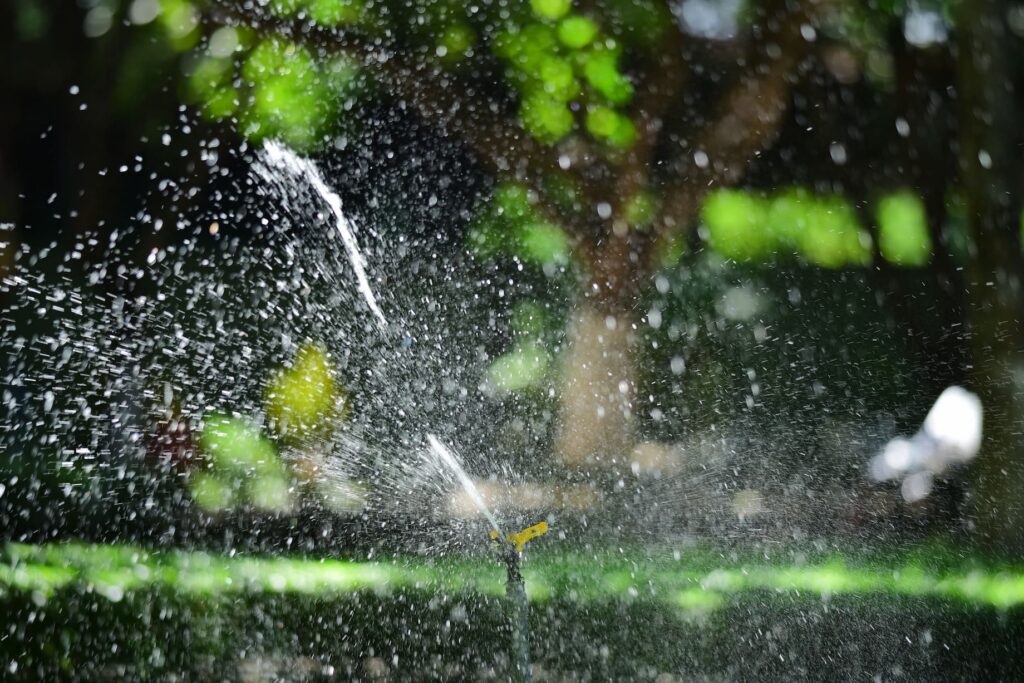
One of the easiest ways to spot trouble is to simply watch your sprinkler system run. Yes, it feels a little silly at first. But five or ten minutes of observing can show you a lot.
Turn on one zone at a time and walk around the yard. Look for heads that don’t pop up all the way or spray in weak little spurts. Check whether the water reaches the full area it should. Dry patches often mean a blocked nozzle or poor pressure.
Puddles are another clue. If one spot gets soaked fast, the head may be leaking or aimed badly. Water should land on your lawn and plants, not flood the walkway or mist your car like it’s entering a parade.
This kind of quick check is especially useful after mowing, landscaping work, or kids playing in the yard. Sprinkler heads get bumped more often than people realize.
Look for Hidden Leaks
Not every sprinkler problem puts on a dramatic show. Some leaks are sneaky. They hide below the surface while slowly raising your water bill and turning parts of the yard into a mushy surprise.
A soggy area that never seems to dry out is a common warning sign. The same goes for patches of grass that grow much faster than the rest. If one part of your yard suddenly looks like it’s living its best life, a leak may be feeding it nonstop.
You might also notice water pooling near a driveway, sidewalk, or curb even when the system isn’t running. That can point to an underground line issue. Soft spots in the soil matter too, especially if they appear in a straight path that matches your irrigation layout.
Leaks usually don’t fix themselves. They just get more annoying and more expensive. A tiny drip today can turn into wasted gallons tomorrow.
Clean Up Simple Clogs
Some sprinkler issues are refreshingly low drama. A clogged nozzle, for example, is often something you can handle without needing a toolbox the size of a suitcase.
If a sprinkler head is spraying unevenly or not fully, turn off the system first. Then gently remove any visible dirt or grass around the head. Many nozzles can be rinsed with clean water to clear debris. A soft brush can help too. The goal is to clean, not wrestle.
You can also check for tiny pebbles or grit stuck in the opening. Even a small blockage can mess up the spray pattern. Once it’s clean, run the zone again and see if the water coverage improves.
If the head is cracked, won’t rise, or still acts up after cleaning, it’s probably not just a clog. That’s your sign to stop the DIY adventure before it becomes a sequel.
Know When to Call
There’s a point where “I’ll just take a quick look” turns into standing in the yard wondering what valve manifolds even are. That’s usually when calling a pro makes sense.
If you’ve got repeated leaks in the same area, low pressure across multiple zones, or sprinklers that won’t turn on or off correctly, the issue may be deeper in the system. Wiring problems, faulty valves, and underground pipe damage are rarely beginner-friendly fixes.
You should also get help if the controller seems fine but the watering schedule keeps misbehaving. Electrical issues can be frustrating because the symptoms don’t always match the cause. One bad connection can make the whole system act moody.
There’s no shame in calling someone who does this every day. Sometimes paying for a proper fix saves you from wasting weekends, water, and patience.
Save Water and Money
A little routine care can keep your sprinkler system running better and help you avoid surprise repairs. You don’t need a complicated schedule. Just build a few simple checks into your regular home care.
Try these easy habits:
- Watch one full watering cycle once in a while.
- Clear grass and dirt from around sprinkler heads.
- Adjust spray direction after mowing or yard work.
- Keep an eye on your water bill for unusual jumps.
- Water early in the morning to reduce waste.
Seasonal checks also help. Before hot weather kicks in, make sure every zone is covering the right spots. After storms or heavy yard use, do another quick walk-through. Small issues are easier to handle before they become giant puddles or dead patches.
Your sprinkler system doesn’t need constant attention, but it does need occasional notice. Catching problems early is one of the simplest ways to protect both your yard and your budget. A healthy lawn is nice. A healthy water bill is even nicer.