
I love traveling; it is one of my favorite hobbies. One of the things that make my trips so much easier is my cell phone- I really wonder how people traveled well before the time of cell phones- it must have been tremendously harder. There are things you can do to prepare your phone before an international trip so that way you are ready for anything that comes your way. Some of them you can do when you already are there, but some are too late once you already are abroad or cost more money later.
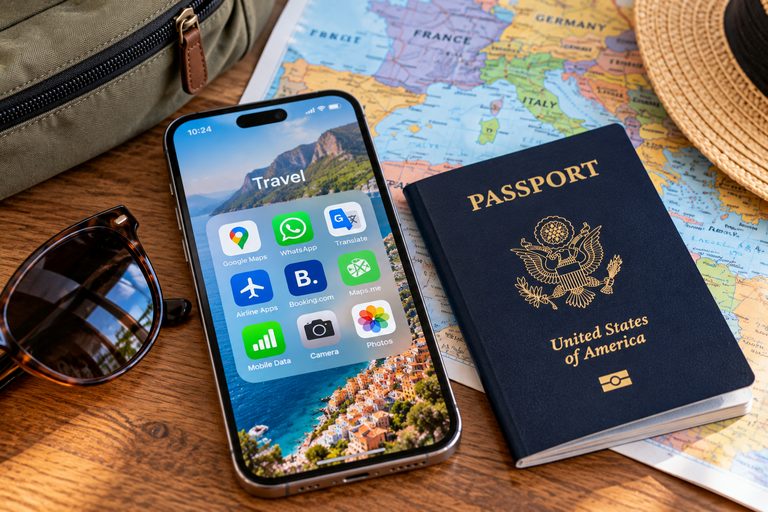
Planning an international trip usually involves comparing flight prices, finding affordable accommodation, and figuring out what to pack. But there’s another important detail that’s easy to overlook until you’re already abroad: making sure your phone is ready for the journey.
From navigating unfamiliar streets to accessing reservations and keeping in touch with family, your phone can make traveling considerably easier. However, unexpected roaming charges, unreliable internet connections, and a lack of access to important information can quickly turn it into a source of frustration.
Fortunately, a little preparation can help you avoid these problems without spending much money. Here’s how to get your phone travel-ready before your next international adventure.
Check Your Mobile Plan Before Leaving
One of the first things to do before traveling internationally is check what your current mobile plan actually covers. Some carriers include international roaming in certain packages, while others charge separately for calls, text messages, and mobile data used abroad.
These additional charges can add up surprisingly quickly, particularly if you’re using your phone for navigation, browsing, or uploading photos throughout the day. Contact your provider before departure to understand the costs and find out whether a temporary international package would be worthwhile.
If your plan doesn’t offer affordable roaming, consider turning off data roaming and using a local SIM card or travel eSIM instead. Depending on your destination and the length of your stay, these alternatives can be significantly more economical. It’s worth sorting out these details alongside the other arrangements involved in preparing for a family vacation, rather than waiting until the last minute.
Consider an eSIM or Local SIM Card
Buying a local SIM card has long been a popular way to avoid expensive international roaming fees. It allows you to use a mobile network in your destination country, often at rates that are much more affordable than those offered by your home provider.
An eSIM offers a convenient alternative, particularly if your phone supports dual SIM functionality. Rather than purchasing and inserting a physical card, you can activate a compatible mobile plan digitally, sometimes before you even leave home. Apple’s guide to using eSIM while traveling internationally explains how travelers can use a local or international eSIM alongside their existing mobile service.
Before choosing either option, make sure your phone is unlocked and compatible with the network you intend to use. It’s also worth comparing data allowances, coverage, and validity periods instead of automatically choosing the cheapest package. A slightly more expensive plan with reliable coverage may save you considerable frustration during your trip.
Make Sure You Can Stay Reachable Abroad
Staying connected while traveling isn’t just about having internet access. There may be situations when someone needs to contact you by phone, whether it’s an accommodation host confirming your arrival, a local service provider, or a business contact back home.
For travelers who frequently visit the same destination or need to stay in touch with people abroad, a virtual phone number can be a practical solution. For example, those planning an extended stay in Canada or regularly communicating with people there might benefit from having a Canadian virtual phone number. This allows them to maintain a local point of contact without purchasing an additional physical phone or SIM card, with the option to forward calls to their existing phone.
It’s worth remembering that virtual numbers serve a different purpose from local SIM cards and eSIMs. They don’t replace a mobile data plan, but they can make it easier to manage calls and maintain a consistent contact number while moving between countries. If you expect to rely on one, check the forwarding costs, supported messaging features, and setup requirements before departure.
Download Essential Apps and Offline Maps
A reliable internet connection isn’t guaranteed everywhere, especially when traveling through rural areas, using public transportation, or exploring places with limited mobile coverage. Downloading a few essentials in advance can make a significant difference.
Google Maps allows you to save selected areas for offline navigation, which can be particularly helpful when you arrive somewhere unfamiliar. You can follow Google’s instructions for downloading maps for offline navigation before your trip, although some features, including public transportation directions and live traffic updates, still require an internet connection.
Translation apps can also offer downloadable language packs, allowing you to understand signs, menus, and basic conversations without constantly using mobile data. It’s equally useful to install any transportation or accommodation apps you’ll need during your trip, so everything is ready when you arrive.
Remember to check which features actually work offline. Some apps still require an internet connection for real-time updates, payments, or account verification, even when certain information has been downloaded.
Save Important Travel Documents on Your Phone
Keeping digital copies of important documents can save time and reduce stress when traveling internationally. Flight confirmations, accommodation reservations, travel insurance details, and transportation tickets are all worth organizing before you leave.
Rather than relying entirely on your email inbox, save essential documents somewhere you can access without an internet connection. A dedicated folder on your phone can help keep everything together, while a secure cloud backup provides an additional layer of protection if your device is lost or damaged.
For particularly important information, such as emergency contacts, insurance policy numbers, and your accommodation address, consider keeping a separate offline copy. You may also want to carry printed copies of documents that could be difficult to retrieve if your phone runs out of battery.
When storing sensitive information, use password-protected or encrypted storage whenever possible, and avoid keeping unnecessary personal documents in easily accessible photo albums.
Protect Your Phone and Personal Information
Travel often involves connecting to unfamiliar Wi-Fi networks, charging devices in public spaces, and using your phone more frequently than usual. Taking a few basic security precautions beforehand can help protect your personal information.
Start by updating your phone’s operating system and essential apps. Software updates often include security improvements, so it’s best to install them before leaving rather than relying on an unpredictable connection abroad.
Make sure your device has a strong passcode and that features such as Find My iPhone or Find My Device are enabled. These tools can help you locate, lock, or erase your phone remotely if it goes missing.
Public Wi-Fi can be convenient, but avoid accessing sensitive accounts over unsecured networks when possible. Using mobile data or a trusted VPN can provide additional protection, particularly when handling financial information.
It’s also a good idea to review how you’ll access your accounts if your usual phone number becomes unavailable. Some banking and email services rely on SMS verification, and virtual phone numbers aren’t always accepted for these codes. Setting up an authenticator app or another supported verification method before traveling can prevent unnecessary complications.
Prepare Your Battery and Storage
Few things are more inconvenient than having your phone battery die just when you need directions or access to a reservation. International travel often means long days away from electrical outlets, so battery preparation deserves some attention.
A portable power bank can be especially useful during flights, train journeys, and sightseeing. Check airline restrictions before packing one, as power banks generally need to be carried in hand luggage and must meet applicable battery capacity limits.
You should also check the electrical outlets and voltage standards used at your destination. Most modern phone chargers support a wide voltage range, but you may still need a plug adapter.
Before leaving, free up storage space by removing unnecessary downloads, duplicate photos, and apps you rarely use. Backing up existing photos and videos will leave more room for capturing memories without constantly worrying about running out of space.
Set Up Your Phone to Avoid Unnecessary Expenses
Small changes to your phone settings can help keep travel costs under control, especially when mobile data is limited.
Automatic app updates, cloud backups, and background syncing can consume data without you noticing. Consider restricting these activities to Wi-Fi and enabling your phone’s low-data mode when using a limited travel plan.
Streaming music and video can also use a considerable amount of data. Downloading playlists, podcasts, and entertainment before departure allows you to enjoy them during flights or long journeys without relying on an internet connection.
If you’re traveling with children, preparing entertainment in advance can be particularly helpful. Offline games, audiobooks, and downloaded shows can make long travel days more manageable without adding unexpected data charges to your budget.
These small savings can make a difference, particularly when you’re already trying to keep vacation expenses under control. Combining them with other budget-friendly family travel tips can help you spend less on everyday necessities and leave more room in your budget for memorable experiences.
A Little Preparation Goes a Long Way
Your phone can be one of the most useful things you bring on an international trip, but only if it’s properly prepared. Taking some time to review your mobile plan, arrange affordable connectivity, download essential information, and improve your device’s security can prevent many common travel headaches.
You don’t need expensive gadgets or complicated technology to stay connected abroad. In most cases, a few thoughtful adjustments before departure are enough to make your travels smoother, safer, and more affordable.
With the practical details taken care of, you can spend less time worrying about your phone and more time enjoying the experience of being somewhere new.