
Many parents feel blindsided when a baby who was finally sleeping longer stretches suddenly starts waking constantly again. The 4 month sleep regression can be exhausting and confusing, especially when it feels like nothing in your routine has changed. Understanding what is actually happening developmentally can make it easier to respond calmly instead of feeling pressured to “fix” everything overnight.
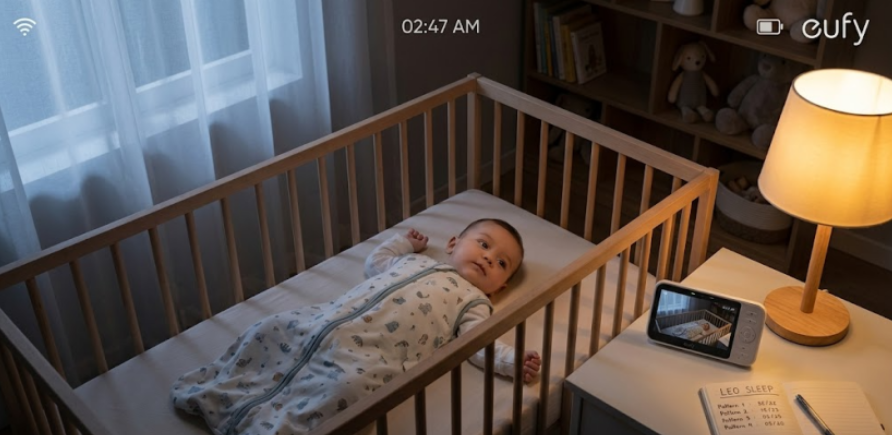
At around four months, infant sleep often stops looking predictable. A baby who sleeps longer stretches may start waking every one to two hours, or stay awake in the middle of the night with what parents describe as split nights baby behavior. This phase is widely called the 4 month sleep regression, though “regression” can be misleading because it is usually a developmental shift rather than a loss of ability.
The practical question is not whether night waking can happen. It can, and often does. The useful question is what changed in early sleep development, which sleep regression signs point to normal maturation, and what home monitoring can realistically tell a parent before routines get overcorrected.
This article is for general information only and does not replace medical advice. If feeding, breathing, growth, or persistent distress concerns appear, contact your pediatrician.
Why the 4 Month Sleep Regression Happens
The 4 month sleep regression is mostly about sleep architecture maturing. Newborn sleep is relatively simple, with more direct transitions into deep sleep. By three to five months, sleep cycles become more differentiated, and babies pass through lighter stages more often. More light-sleep transitions create more opportunities to wake fully.
This is why parents often see a sudden change without any obvious external trigger. The crib is the same, bedtime is the same, and feeding may be unchanged — yet wakeups still rise as sleep cycling matures.
Motor and sensory development can make settling harder at the same time. Hand discovery, rolling attempts, and increased environmental awareness can all lengthen settling time at naps and bedtime. None of that means something is wrong by default. It means the system is becoming more complex.
Common Sleep Regression Signs and Split Nights Baby Patterns
The most frequent sleep regression signs cluster into a few repeatable patterns:
- Shorter first sleep stretch after bedtime than the baby had two weeks earlier
- More frequent night waking, often near cycle transitions
- Naps that become shorter or inconsistent
- New bedtime resistance despite clear sleep cues
- One long awake period overnight, often called split nights baby
Not every baby shows all five. Some have mostly nap disruption. Others keep daytime naps steady and struggle only at night. The split-night pattern tends to confuse families the most because it looks like “not tired” behavior at 2 a.m., even when total sleep debt is building across several days.
The pattern alone does not confirm a problem that needs intervention. Context matters. A baby with normal feeds, normal growth, and normal daytime mood can still have a difficult two to six week stretch here.
Normal Developmental Waking Versus Habit Dependence
Parents often worry that one rough week means permanent sleep dependence. In reality, developmental waking and habit loops overlap, and the difference is visible only over time rather than one night.
Developmental waking usually looks variable. One night is fragmented, the next is slightly better, then worse again during a leap. Habit dependence tends to look more stable and cue-specific, where the same external condition becomes necessary at nearly every waking.
Useful distinction points:
- Development-driven pattern: wake timing shifts, sometimes with new motor activity; response need is inconsistent night to night.
- Cue-dependent pattern: wakes happen in similar windows and resettling repeatedly requires the same input.
- Feed-related concern: true hunger is plausible when daytime intake drops, growth demands rise, or feed intervals have lengthened too much.
A single tough night cannot separate these categories. Three to seven nights of structured observation usually can. That is where structured tracking helps more than intuition.

What Monitoring Can and Cannot Prove
Home monitoring is best treated as a clue system, not a diagnostic tool. A camera view and audio history can lower uncertainty, but they cannot tell a parent why a baby woke.
What monitoring can realistically catch:
- Sleep onset and wake timing patterns across nights
- Body position changes and movement bursts before full crying
- Environmental disruptions, such as sudden noise or light
- Whether intervention happened at every wake or selectively
What monitoring cannot prove on its own:
- Whether a waking was hunger, discomfort, or light-cycle arousal
- Whether a baby is in pain or ill without clinical context
- Whether one intervention style is clinically appropriate for that child
This line matters because anxious interpretation is common during the 4 month sleep regression. A monitor can show that a baby stirred, paused, then escalated. It cannot certify the internal cause of the escalation.
When parents want clearer crib-level night visibility, one practical option is the eufy Baby Monitor E20. A stable night view helps identify pattern timing and response consistency, which are the two variables most families can act on safely at home.
For broader comparison across setups and budgets, the eufy baby monitor collection makes it easier to choose a model based on room layout, overnight viewing needs, and routine complexity.
A Parent Self-Tracking Method That Reduces Guesswork
Use a simple seven-night log before making major routine changes. The goal is not perfect data, but clear trend visibility.
Track these fields each night:
- Bedtime and last feed before sleep
- Sleep onset latency (approximate minutes to settle)
- Each waking time and duration
- Response used (feed, pat, hold, wait, no intervention)
- Morning wake time and daytime nap totals
Then review with three questions:
- Are wakeups clustering at similar cycle points?
- Is one response being used automatically even when not always needed?
- Do split-night events correlate with late naps or overstimulation days?
This method prevents abrupt overcorrection, like changing bedtime, feed schedule, and soothing method all at once. Change one variable, hold for several nights, and reassess.
If red flags appear, pause home experimentation and consult a clinician. Red flags include poor weight gain, breathing concerns, persistent inconsolable crying, fever, reflux symptoms that worsen, or feeding refusal.
Conclusion
The 4 month sleep regression often feels sudden, but it usually reflects normal neurological and sleep-cycle maturation. The most actionable approach is to separate signal from noise: map sleep regression signs first. Then recognize when split nights baby episodes are part of a temporary adjustment window, and avoid drawing medical conclusions from monitor footage alone.
Monitoring works best as a pattern recorder. It can show timing, movement, and response consistency; it cannot explain every cause of waking. Families who pair realistic monitoring expectations with a short, structured sleep log usually make steadier decisions and feel less pressure to chase one-night fixes.