
As a parent on a budget, I’ve learned that keeping kids entertained doesn’t have to mean spending a lot of money. In fact, some of my children’s favorite activities have cost little to nothing at all. If you’re looking for affordable ways to keep your kids busy while helping them learn and grow, these ideas prove that fun and enrichment don’t need a big price tag.
When you’re a parent on a tight budget, summer breaks, weekends, and school holidays can feel like an expensive challenge waiting to happen. You want to keep your kids entertained, enriched, and safe—but admission fees, snack demands, and the cost of materials add up quickly. The good news? You don’t need a bottomless wallet to keep your children busy. In fact, some of the most powerful and memorable learning experiences come from simple, low-cost outdoor or household adventures. What truly matters isn’t the price tag, it’s your intention.
Activities that involve movement, curiosity, problem-solving, and imagination naturally support your child’s development. And when you combine hands-on fun with a bit of creativity and structure, kids don’t just stay busy, they grow. So if you’re searching for doable, affordable ways to bring more joy (and less stress) into your parenting routine, you’re in the right place. Let’s dig into how you can turn everyday moments into meaningful experiences without spending more than you have.
Free Doesn’t Mean Boring
It’s easy to feel like you’re missing out when social media shows endless photos of amusement parks, pottery classes, and luxury indoor play centres. But here’s a quiet truth many parents forget: kids don’t need elaborate setups to be engaged. What they need is your presence, a bit of novelty, and a chance to lead. Free or low-cost activities like building a fort from couch cushions, painting with kitchen spices, or mapping out a scavenger hunt in your backyard can be just as exciting (and far more flexible) than expensive outings.
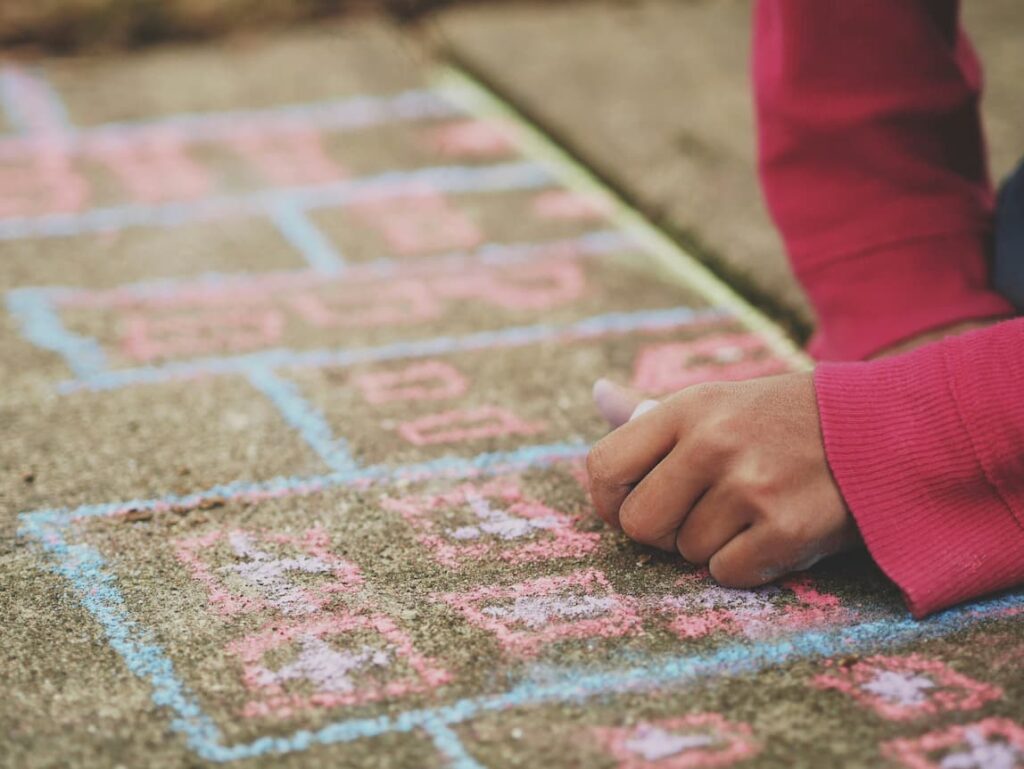
One of the most rewarding options? Heading outside. Nature is one of the best classrooms, and outdoor activities offer endless opportunities to explore, play, and learn. Think bug hunts, cloud-watching, sidewalk chalk geometry, or DIY obstacle courses. These moments spark physical movement, decision-making, and even early STEM skills without the structure of a traditional lesson plan. Bright Horizons highlights how outdoor play can support family connection, critical thinking, and confidence-building—reminding us that the best environments for learning are often just outside your front door.
Reframing Busy Time as Brain Time
When money is tight, structured programs or camps may feel out of reach. But your child’s brain doesn’t know the cost of an experience, it only knows how it feels. Is it engaging? Is it challenging in a fun way? Is it social or sensory-rich? Activities like sorting pantry items by category, measuring ingredients for a batch of homemade playdough, or even repurposing junk mail for cutting practice can become powerful developmental tools.
What matters is your mindset. Instead of trying to “fill the time,” think about creating micro-moments of connection and learning. Five-minute role-plays using stuffed animals can foster empathy. Collecting and classifying leaves can spark scientific curiosity. Setting up a pretend shop with cans and coins teaches math and social skills. These budget-friendly activities support emotional regulation, independence, and executive function—all while keeping your child genuinely engaged.
Simple, free games are another easy way to turn downtime into brain time. Classic puzzles like sudoku cost nothing to play online on sites like Sudoku Bliss yet quietly build focus, pattern recognition, and logical thinking, helping keep your kids sharp without it ever feeling like schoolwork. Best of all they’re endlessly replayable, so a single free game can keep a child happily challenged again and again.
In fact, the slower pace of unstructured home days can give kids the space they need to follow their own curiosity. And that’s something even money can’t buy.
Make It Stick: Routines That Mix Fun and Growth
One way to avoid burnout (for both you and your kids) is to create a flexible routine that mixes chores, play, movement, and quiet time. The routine itself doesn’t have to cost a cent, but it creates a rhythm that makes life feel more manageable. Try designating certain hours of the day for outdoor play, creative time, or independent quiet time. Use free printables or handmade cards with “activity prompts” that your child can draw from, like “build a tower taller than you” or “draw your dream park.” This gives structure without micromanaging every moment.
You can also turn everyday errands into mini adventures. Walk to the grocery store and ask your child to help plan a meal. Visit a park and bring a homemade nature journal. Even hanging laundry together becomes a math or sorting lesson with the right frame of mind. If you’re consistent, kids will begin to anticipate and even initiate these moments themselves because you’ve shown them how rewarding simple, meaningful activities can be.
The key isn’t perfection. It’s presence, patience, and being willing to see learning where others might not.
Parenting on a budget can feel like you’re constantly saying no: no to the pricey class, the latest toy, the expensive holiday. But here’s what you can say yes to: wonder, connection, creativity, resilience. All of those are priceless. And they don’t require a single purchase.
Every stick-turned-sword, every cardboard box castle, every nature walk where your child finds a “magic rock” is an opportunity for connection and learning. These small, often quiet moments are the ones that children remember. Not because they were fancy but because they were theirs. Look around your home, your neighborhood, your child’s wild imagination and let that be your playground.