
Sewing is an essential skill for any frugal person. It allows you to not only make simple repairs instead of needing to take things to a seamstress or toss them, but it also allows you to tailor clothing to fit properly or make DIY projects instead of spending money on custom items. A sewing machine makes these sewing jobs easier, but if you don’t take care of your sewing machine, it won’t work properly and you’ll need expensive repairs. Here are some tips on how to keep your sewing machine in proper running order.
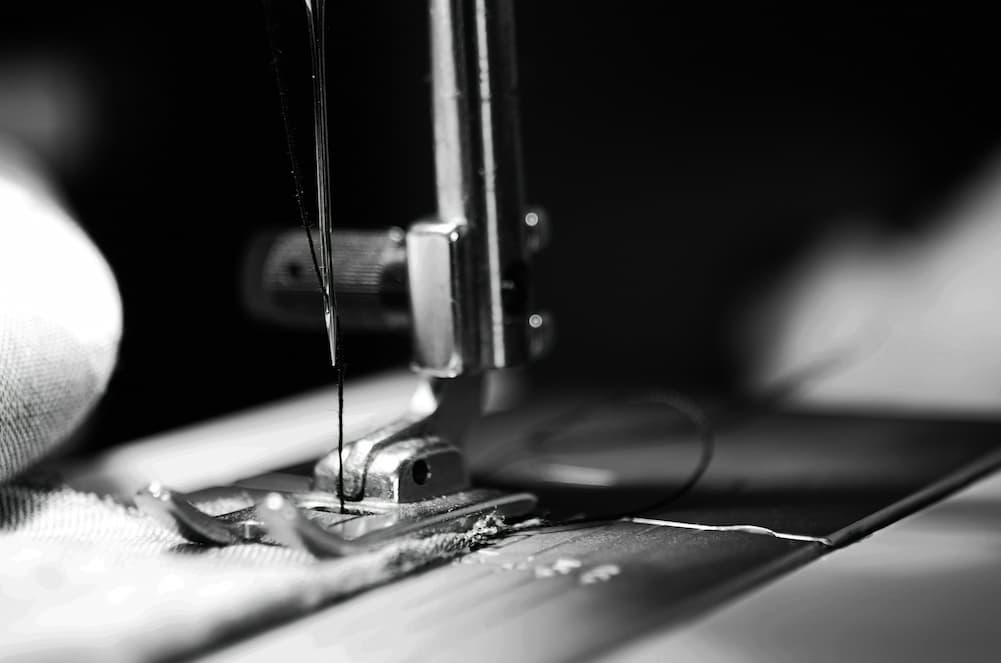
If you love creating garments, home decor, or crafts, a sewing machine is one of the most valuable tools you can own. Proper care and maintenance are essential for clean stitches and for keeping your machine running smoothly for years.
Understanding Your Sewing Machine
Understanding the parts and functions before doing any maintenance is essential for sewing machine care. Your manual includes detailed instructions for threading, tension settings, stitches, and more, and it is worth referring to often. A basic grasp of your machine’s operation will help you notice when something is off.
Regular Cleaning Routine
Dust and lint build up quickly inside a sewing machine, so set a regular cleaning schedule. Gently remove debris in the bobbin area and around the feed dogs with a small brush. Avoid compressed air, which can push lint deeper into the mechanism.
Oiling for Smooth Operation
Oil is essential for proper performance. Consult your manual to locate the points that require lubrication. Apply a single drop of sewing machine oil at each point indicated. This reduces friction and prevents wear on moving parts. Wipe away excess oil to avoid staining your fabric.
Checking the Needle
The needle is a key factor in stitch quality. Inspect it regularly for bends or dullness. Replace the needle after every project or after eight hours of sewing. Choose the correct needle type and size for your fabric to prevent skipped stitches and fabric damage.
Proper Threading and Tension
Improper threading or tension causes poor stitch quality. Always thread the machine with the presser foot up so the thread seats correctly between the tension discs. Use the manual to adjust tension for your fabric and thread. Even, consistent stitches indicate correct tension.
Bobbin Care and Loading
The bobbin plays a major role in stitch formation. Wind it evenly and insert it correctly in the case. Follow the manual for loading instructions. An improperly loaded bobbin can cause thread nests and uneven stitches.
Foot Pedal and Power Cord Inspection
Make it a habit to check the foot pedal and power cord for wear or damage. Frayed cords or exposed wires are safety hazards and can affect performance. Replace damaged parts promptly to protect both you and your machine.
Storage Considerations
Good storage practices extend a machine’s lifespan. Keep the machine covered when not in use to prevent dust buildup. Store it in a cool, dry place to avoid moisture damage. When transporting, secure the machine to prevent movement that could harm internal components.
Professional Servicing
A yearly professional service is recommended for a thorough checkup. Some issues are not obvious to users, but a technician can find and fix them. Regular servicing helps maintain performance and prolongs the machine’s life.
Troubleshooting Common Issues
Knowing the most common problems helps you troubleshoot quickly. If stitches are skipping, check the needle and rethread the machine. If tension looks off, rethread and reset the tension. Unusual noises often mean the machine needs cleaning or oiling.
Environment and Usage Tips
Your work environment affects performance. Keep the area well lit and tidy. Do not expose the machine to direct sunlight or high heat. Use a stable table to reduce vibration during operation.
Conclusion
Sewing machine maintenance includes regular cleaning, correct threading, and frequent inspections. With consistent care, you will enjoy smoother sewing and higher quality stitches. This guide outlines the key steps to keep your machine in top condition so your creativity can flow without interruption.