As parents, we do everything we can to protect our children, but some of the biggest risks hide in plain sight. Everyday places like grocery stores, parking lots, and even friends’ homes can hold surprising dangers we often overlook. By becoming more mindful of these ordinary spaces, we can prevent accidents before they happen and keep our kids safer day to day.
As parents, we spend so much of our time trying to keep our kids safe. We babyproof cabinets, double-check car seats, and hold little hands in parking lots. Still, accidents have a way of sneaking up in the most ordinary moments. It’s often not the wild adventures that lead to tears but the familiar places we stop noticing because they seem harmless. Some of the most unexpected scrapes and scares happen in the spots we visit every day without thinking twice.
1. Grocery Store Aisles
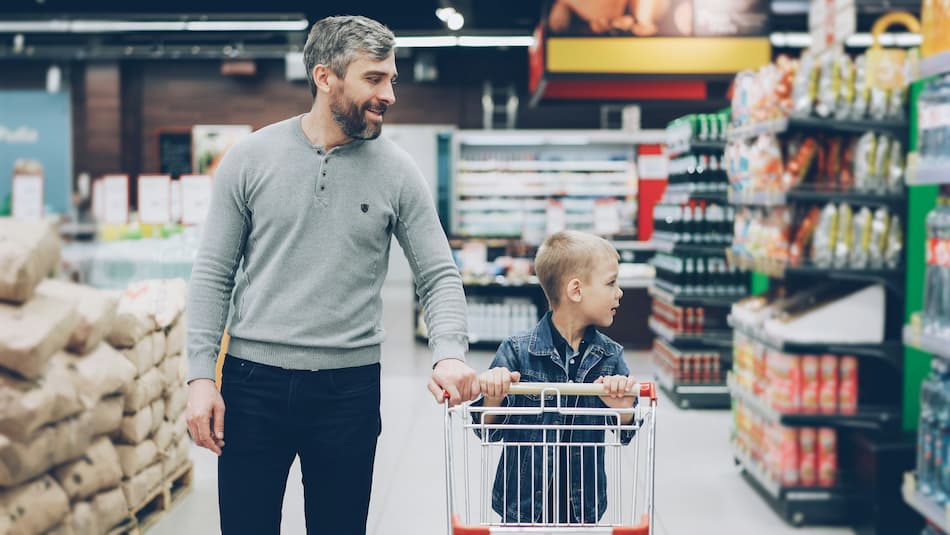
A quick grocery run with kids can feel like an obstacle course. Between chasing down deals and keeping small hands from grabbing everything, it’s easy to miss small hazards. A puddle from melting ice, a dropped grape, or a little spilled juice can turn a calm errand into a fall and a bruised knee. Most stores try to keep aisles clean, but kids move fast. I’ve learned to slow down, steer the cart along the edges, and make a game out of spotting wet spots before they find us. It’s a small way to teach kids awareness while saving everyone a few slips.
2. Parking Lots
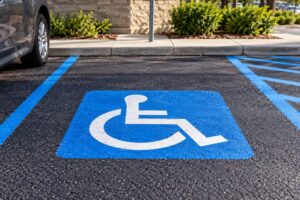
Parking lots seem calm compared with busy streets, yet they’re among the most common places where kids get hurt. Cars backing out, uneven pavement, and distracted drivers all make them risky. It’s a space designed for cars, not families, but we pass through it constantly while juggling bags or buckling car seats. I remind my kids to stop before stepping off the curb and to make eye contact with any driver nearby. Even parked cars can start moving without warning. According to Safe Kids Worldwide, hundreds of children are injured each year in parking areas because drivers simply don’t see them. Staying alert in these in-between spaces prevents the kind of scare no parent wants to face.
3. Apartment or Building Stairways
Stairs in apartment buildings, schools, and public spaces feel routine. We climb them without a second thought, often while carrying bags or holding a child’s hand. But worn steps, loose railings, or dim lighting can turn something ordinary into a serious hazard. Even careful parents can miss what’s right in front of them. Some problems hide until it’s too late, especially in older buildings. Unfortunately, stairway slip and fall accidents happen more often than most families realize. These accidents are sometimes caused by issues beyond their control, like uneven steps or missing handrails. Taking a moment to hold the railing, guide kids one step at a time, and report maintenance problems can make a real difference.
4. Indoor Play Centers or Trampoline Parks
Places made for fun can still surprise us. Bright colors, padded floors, and cheerful staff make play centers seem foolproof, yet crowded rooms or worn equipment can lead to accidents in seconds. Excitement often wins over caution, especially when kids are racing to join the fun. A quick look around before playtime helps. Floors should feel steady, mats shouldn’t slide, and staff should be easy to spot. Setting simple ground rules like no pushing or running on slick floors, keeps the mood light and everyone a little safer.
5. Friends’ or Relatives’ Homes
When we visit people we know well, it’s easy to relax. A grandparent’s hallway or a friend’s living room feels safe by default, which makes it easy to overlook small hazards. Loose rugs, pets, cluttered steps, or cords across the floor can catch kids off guard. A quick look around helps, especially in homes not set up for young children or kids who need extra support. Asking about stair gates or slippery steps can feel awkward, but it’s better than dealing with a fall. For practical tips on preventing injuries, including when caring for children with disabilities, see this guide about avoiding injuries when handling children with disabilities. A few small adjustments can turn any visit into a safer, calmer one.
Conclusion
No parent can spot every risk, and trying to protect kids from everything would only wear us down. What helps is paying attention to the details: the wet floor, the uneven step, the crowded walkway, before they become problems. Parenting is a mix of freedom and caution. By noticing the ordinary places that seem safe, we give our kids something lasting: the habit of awareness. A little attention in familiar spaces keeps family life smoother, simpler, and a lot safer.