
London is one of my favorite places to visit on a budget. I’ve been there twice so far, once with my daughter and once alone, and my eldest son has been there twice. There are so many free and low cost things to do. Read on about how you can save money on your trip to London and how much you can reasonably expect to pay for your visit.
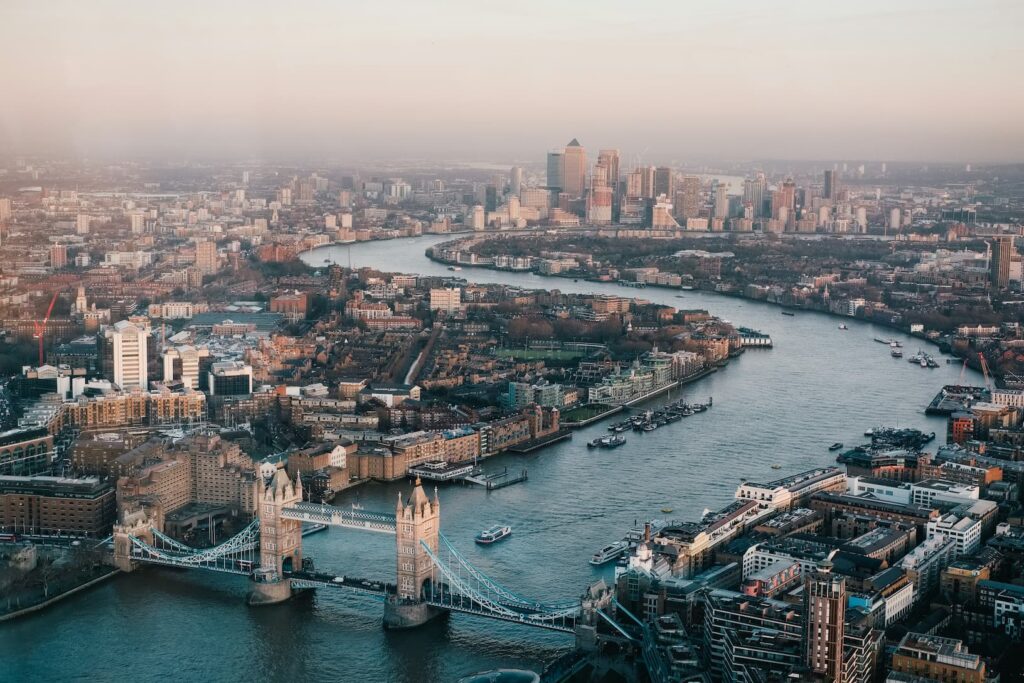
London has a reputation problem. Ask anyone who has priced out a week there with two kids and they’ll tell you the same thing: the flights sting, the hotels sting harder, and a single afternoon of paid attractions can wipe out a day’s budget before dinner. Recent cost surveys put a seven-day London trip for a family of four somewhere in the range of $7,000 to $8,000 when you book carelessly. That number scares people off.
It shouldn’t. London is one of the few major capitals where the best museums cost nothing, public transport has a hard daily price cap, and supermarkets sell a genuinely decent lunch for under a fiver. Families who plan around those three facts routinely spend half of what the headline estimates suggest. Here’s how.
Timing Is Your First Saving
Before you touch a booking site, look at the calendar. Hotel rates during Christmas week run 40 to 60 percent above standard pricing, and July and August aren’t much kinder. Late April through early June is the sweet spot: schools are in session, crowds at big attractions drop by roughly 40 to 50 percent, and the weather is finally cooperating. September and October work nearly as well. If your kids’ school schedule allows any flexibility at all, use it.
Accommodation: Where Most of the Money Goes
Lodging typically eats 35 to 45 percent of a London budget, so this is where planning pays off most.
Budget Hotel Chains That Actually Work for Families
Premier Inn and Travelodge family rooms sleep four for roughly £80 to £150 a night, which beats booking two separate rooms by a wide margin. Locations near King’s Cross, Victoria, and County Hall put you within easy reach of major sights. Book directly on the chain’s own website two to three months out. Prices climb steadily as dates approach.
Short-Term Rentals and Apartments
For stays of four nights or more, an apartment with a kitchen often wins outright. Self-catering can cut food spending by 40 to 60 percent compared with eating every meal out, and everyone gets space to decompress after a long day of walking.
One thing worth knowing before you book: a large share of London’s short-term rental listings aren’t run by the owners at all. Professional Airbnb management London companies operate thousands of units across the city on behalf of absent hosts. That’s not automatically bad. Professionally managed flats tend to have reliable check-in, hotel-style cleaning, and quick responses when the boiler acts up. But they also carry cleaning fees and service charges that can add £100 or more to a short stay, so always compare the final checkout total, not the nightly rate. Read recent reviews, check whether the “host” is a person or a company, and remember that London legally caps entire-home short lets at 90 nights per year, which is why some suspiciously cheap listings vanish or get cancelled.
Pick the Right Neighborhood, Not the Famous One
Zones 1 and 2 near a Tube station is the rule of thumb. Residential areas like Greenwich, Hammersmith, Southwark, and Camden cost noticeably less than Covent Garden or Mayfair, and the Tube gets you to the center in twenty minutes. Local guides consistently point to Victoria, Fitzrovia, and Marylebone as central, walkable areas that aren’t tourist traps.
Food: Eat Well Without Restaurant Prices
The Supermarket Meal Deal Is Your Friend
Tesco, Sainsbury’s, and M&S sell meal deals, a main, a snack, and a drink, for around £4 to £5. That’s lunch for a family of four for under £20. Grab croissants, fruit, and yogurt from the same shops for breakfast and you’ve handled two meals a day for pocket change. If your rental has a kitchen, one supermarket run covers breakfasts for the whole week.
Markets Beat Restaurants
Borough Market and Mercato Metropolitano serve some of the best food in the city at street-food prices. When you do sit down somewhere, note that plenty of London restaurants offer children’s menus at £8 to £12 including a main, dessert, and a drink, while adult mains run £18 to £35. Pubs and casual spots land in the £12 to £25 range per person. Save the one splurge dinner for a night you’ve earned it.
Sightseeing: Free First, Paid Sparingly
The Free List Is Absurdly Good
- The British Museum, Natural History Museum (dinosaurs), Science Museum, National Gallery, and Tate Modern, all free.
- Tower Bridge walks, Buckingham Palace exteriors, Big Ben, and the Changing of the Guard.
- Hyde Park, the Diana Memorial Playground, and Greenwich Park for burning off kid energy.
- Sky Garden panoramic views, free, but book tickets online in advance.
- Tip-based free walking tours led by locals.
When You Do Pay, Pay Smart
Limit paid attractions to one or two per day and book online ahead of time for discounts. Family tickets shave 10 to 20 percent off individual pricing. The Tower of London family ticket, for example, covers two adults and three children for £88 against £33.60 per adult individually. Children under five enter free at most paid sites. If you arrive by National Rail, hang onto your train tickets: the Days Out Guide 2-for-1 scheme covers dozens of major attractions. Run the math on the London Pass before buying one. It only pays off if you’re genuinely hitting three or more paid sites daily, and most families aren’t.
Getting Around Without Bleeding Money
Skip taxis. Use contactless cards or Oyster cards on the Tube and buses. Daily charges cap at roughly £8.50 for Zones 1 and 2, no matter how many trips you take. Kids under 11 ride free with a paying adult. Better yet, central London is more walkable than most visitors expect, and the walk itself is half the sightseeing.
Quick Answers for Trip Planners
How much does a frugal family trip to London cost?
A careful family of four can manage on £250 to £400 per day covering lodging, food, transport, and attractions, well below typical headline estimates.
What’s the cheapest way for a family to stay in London?
Premier Inn or Travelodge family rooms (£80 to £150 per night), or a self-catering apartment in Zone 2 booked well in advance.
When is London cheapest for families?
Late April to early June and September to October, when crowds thin and hotel rates drop 30 to 40 percent below summer peaks.
Bottom Line
London rewards planners. Travel in the shoulder season, sleep slightly outside the postcard neighborhoods, eat from supermarkets and markets more often than restaurants, and lean hard on the free museums. Do those four things and the city that supposedly costs a fortune becomes one of the best-value family destinations in Europe. The dinosaurs at the Natural History Museum don’t know your budget, and they don’t charge admission either.