Buying a used car can be a great way to save money, especially when you’re raising a family on a tight budget. I’ve always been a fan of buying used instead of new, but buying the wrong car can end up costing you a fortune in repairs, wiping out any money you saved in the first place. If you’re in the market for a used car, here are some things to keep in mind to make sure you’re getting a good deal and not setting yourself up for expensive problems down the road.
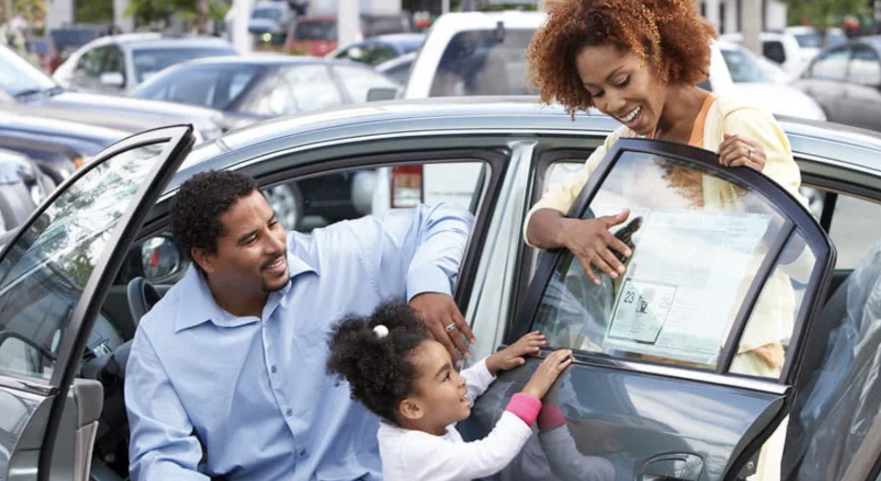
When you are raising kids on a tight budget, a used car is often the smartest purchase available. New cars lose the most value in their first few years, so a used car lets someone else absorb that drop. But a used car also comes with unknowns, and a bad choice can cost you more in repairs than you saved on the price. The good news is that most of the risk can be reduced with some preparation. Here is what to know before you spend a dollar.
Know Your Real Budget First
The price on the windshield is only the beginning of what a car costs. Before you start shopping, add up everything you will pay beyond the purchase price. That includes sales tax, title and registration fees, insurance, fuel, routine maintenance like oil changes, tires, and brakes, and a cushion for repairs. Many people set a budget based on the sticker price and then feel squeezed for months because they never planned for the rest.
Insurance deserves special attention. Two cars at the same price can have very different premiums depending on the model, its repair costs, and its safety record, along with your location and driving history. Get a quote on the specific car you are considering before you commit, not after. If you have a teen driver in the house or one on the way, ask how adding them changes the rate.
It also helps to decide in advance how much of your savings you are willing to put toward the car. Even a well-chosen used car will eventually need something, so try not to drain your emergency fund on the purchase itself. Keeping a separate stash for repairs gives you room to handle a surprise without putting it on a credit card.
Get Your Financing Sorted Before You Visit a Dealer
If you need a loan, talk to your bank or credit union before you start visiting lots. Getting preapproved tells you what you can realistically borrow and what interest rate you qualify for. It also gives you something to compare against the dealer’s financing offer. Dealers can sometimes beat an outside rate, but you will not know unless you have a number to measure against.
Pay close attention to the loan term. A longer loan lowers your monthly payment, which can make an expensive car feel affordable, but you pay more interest over the life of the loan. You may also owe more than the car is worth for longer, which becomes a problem if the car is totaled or you need to sell it. A shorter term costs more each month but saves money overall.
If you are paying with cash, that is great, but still get the car inspected and the paperwork checked just as carefully. Paying in full does not remove the risk of buying a problem.
Understanding Auto Protection Plans
At some point in the buying process, usually when you sit down to sign the paperwork, you will probably be offered an auto protection plan. These are often called extended warranties, though many are technically vehicle service contracts. They are sold as a way to help cover certain repair costs after the original warranty ends or if the car never had one. Because the pitch usually comes at the end of a long day, when you are tired and ready to go home, this is a moment where people make expensive decisions quickly.
Whether auto protection plans are worth it depends entirely on the contract, so slow down and read it. Start with what is actually covered. Plans differ a great deal. Some cover only major mechanical parts like the engine and transmission, while others list many more components. Parts that wear out through normal use, such as brake pads, tires, and wipers, are commonly excluded. If a part is not named in the contract, assume it is not covered. They can be a big help in addition to car insurance for extra coverage.
Next, look at how claims work. Some plans charge a deductible for each repair. Some require you to use a particular repair shop or to get approval before any work begins. Ask who pays the shop and how long that process usually takes. A plan that requires you to pay out of pocket first and wait for reimbursement is very different from one that pays the shop directly, especially when money is tight.
Then look for exclusions and conditions. Many contracts do not cover problems that existed before you bought the plan, and some require proof that you kept up with regular maintenance. If you skipped an oil change and cannot show a receipt, a claim could be denied. Keep every maintenance record in a folder from the day you buy the car.
You should also know that you generally do not have to buy a plan on the day you buy the car, and the price is not always fixed. You can take the contract home, read every page, and compare it with plans from other providers. Ask about cancellation terms too, including whether you would get a refund if you sell the car or decide you no longer want the coverage.
Finally, consider the alternative. Instead of buying a plan, you could put the same money into a dedicated savings account for car repairs. If the car turns out to be reliable, you keep every dollar. If you could not absorb a sudden repair bill of a thousand dollars or more, a plan might offer some peace of mind, as long as you have confirmed what it really covers. There is no single right answer for every family. What matters is that you decide based on the contract in front of you, not on pressure at the signing desk.
Decide Where to Buy: Dealer, Private Seller, or Certified Pre-Owned
Where you buy changes both the price and the protection you get. Used car dealers generally charge more than private sellers, but they handle the paperwork and are subject to rules that private sellers are not. Buying from an individual can save money but the sale is often “as is,” and you have fewer options if something goes wrong after you drive away.
Certified pre-owned programs sit in between. These are run through manufacturers and their dealers, and the cars usually go through an inspection and come with some form of extended coverage. They typically cost more than a comparable non-certified car, and the details of what is covered vary from brand to brand. For some families, paying a bit more for a car that has been checked and comes with a warranty is worth it. For others on a very tight budget, a cheaper car plus a thorough independent inspection and a repair fund is the better route. Compare the actual numbers rather than assuming one option wins.
Research the Make and Model
Some models have better track records for reliability and lower repair costs than others. Before you fall for a particular car, look at independent reliability ratings and owner reviews for the specific year you are considering. A model can change a lot from one generation to the next, so a great reputation for one year does not always carry over to another.
Think about the practical needs of your family as well. How many car seats do you need to fit, and how easy is it to buckle a child in the back? How much cargo space do you need for strollers, groceries, or sports gear? Is the car easy for your kids to climb in and out of? These details matter more in daily life than horsepower or style.
Repair costs are worth researching too. Some cars are cheap to buy but expensive to fix because parts are costly or only specialized shops can work on them. Ask a local mechanic which models they see most often and which ones tend to be a headache.
Check for Open Safety Recalls
Before you buy, find out whether the car has any open safety recalls. In the United States, the National Highway Traffic Safety Administration lets you search for recalls using the vehicle identification number, or VIN, which is printed on the dashboard near the windshield and on the driver’s side door jamb. Manufacturers’ dealers generally repair open recalls at no charge, but you want to know about them before you buy so that you can get them fixed right away. If a car has an open recall for something serious, such as a braking or airbag problem, ask the seller whether it has been repaired.
Get a Vehicle History Report
A vehicle history report uses the VIN to show information such as reported accidents, title problems, odometer readings, and the number of previous owners. It can also show whether the car has been used as a rental or fleet vehicle. Many dealers will provide a report, and you can also buy one yourself.
Pay special attention to the title. A title branded as “salvage,” “rebuilt,” or “flood damaged” means the car has had serious problems in the past. Cars like these are often priced lower for a reason, and they can be hard to insure or resell later. For a family counting on a car to be dependable, that discount is rarely worth it.
Keep in mind that a clean report is not a guarantee. Not every accident or repair gets reported. Think of the report as one tool in your checklist, not the final word on the car’s condition.
Have an Independent Mechanic Inspect It
If you take only one piece of advice from this post, make it this one. Pay an independent mechanic, one with no connection to the seller, to inspect the car before you buy. A pre-purchase inspection usually costs far less than a major repair, and it can reveal problems like fluid leaks, worn suspension parts, rust, or hidden accident damage that you would never spot on a test drive.
Ask the mechanic to give you a written list of anything they find, including small things that may need attention soon. Those findings can help you negotiate a lower price or decide to walk away. If a seller refuses to let you have the car inspected, treat that as a serious warning sign. A seller with nothing to hide usually has no objection.
Take a Thorough Test Drive
A short loop around the block will not tell you much. Drive the car in the kinds of conditions you actually face every day. Try city streets, a stretch of highway, and a hill if there is one nearby. Test the brakes, air conditioning, heat, windows, locks, and lights. Listen for unusual noises, notice whether the car pulls to one side, and pay attention to how the transmission shifts.
If you have little ones, bring the car seats and make sure they install properly. It is much better to discover that a seat does not fit before you have paid. Also check that seat belts latch correctly and that the back doors open easily. Give yourself enough time to be thorough, and do not let a seller rush you.
Understand Your Rights When Buying From a Dealer
In the United States, the Federal Trade Commission’s Used Car Rule requires dealers to post a Buyers Guide on used cars they offer for sale. The guide states whether the car comes with a warranty or is sold “as is,” and it lists some of the major systems and common problems to watch for. Whatever the Buyers Guide says becomes part of your sales contract, so get a copy and read it before you sign.
It is also worth knowing that there is generally no automatic cooling-off period that lets you return a car within a few days of buying it. Once you sign, the deal is usually final unless the contract says otherwise. Private sales work differently, too. When you buy from an individual, the dealer rules generally do not apply, and the sale is often “as is,” which makes an inspection even more important.
Negotiate the Total Price
When you negotiate, focus on the out-the-door price, which includes taxes, fees, and any add-ons, rather than the monthly payment. A salesperson can make nearly any price sound affordable by stretching the loan term, so keep the conversation on the total. Ask for an itemized breakdown so you can see exactly what you are paying for, and question any fee you do not understand.
Decline extras you do not want. Add-ons that get tacked on at the end, such as paint protection or fabric treatments, can add up quickly. Use what you learned from the inspection and the history report as leverage. And remember that you can walk away at any point. A buyer who is willing to leave has the most power in the room, and another good car will always come along.
Check the Paperwork Before You Hand Over Money
Make sure the VIN on the title matches the VIN on the car. Confirm that the seller is the person named on the title, and that there are no liens, meaning no lender still has a claim on the vehicle. If there is a lien, the seller needs to pay it off and provide proof before ownership can transfer to you.
Ask about the process for transferring the title and registering the car in your state, since requirements vary, and find out how long you have to complete it. In a private sale, get a signed bill of sale that lists the date, price, VIN, and both parties’ names. Keep copies of everything. Good records protect you if a dispute comes up later.
Plan for Maintenance After You Buy
Your work does not end when you drive off the lot. Soon after you buy, consider having the oil and other fluids changed, even if the seller says it was recently done, so you know where your maintenance schedule starts. Check the owner’s manual for the recommended service intervals and follow them. Regular maintenance is one of the cheapest ways to avoid big repair bills, and it also keeps your records in order if you ever need to make a claim on a service contract.
Start a small monthly transfer into your repair fund right away, even if it is only a modest amount. Over a year, those small deposits can turn a scary repair bill into an annoying but manageable expense.
The Bottom Line
A used car can be a great deal for a budget-conscious family, but only if you buy with your eyes open. Know your total costs, line up your financing, research the model, check the history and recalls, and have an independent mechanic look the car over. Read the contract on any auto protection plan carefully before you decide, and negotiate the full price rather than the monthly payment. The time you spend before you buy is the cheapest repair you will ever make.