One of the best ways to save money around the house is to take care of what you already have so you don’t need to replace it as often. Unfortunately, it’s easy to forget about regular maintenance until something breaks and you’re stuck with an expensive repair bill. Here are some simple, inexpensive ways to keep your appliances, furniture, and other household items in good condition for as long as possible.
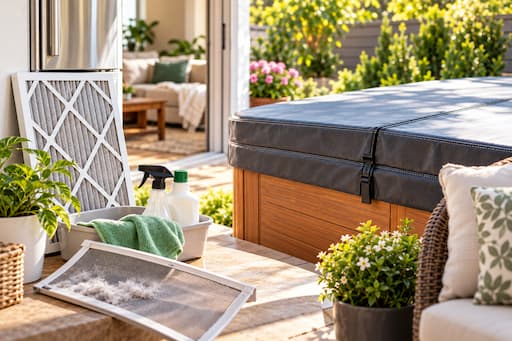
Keeping a home in good condition doesn’t have to mean spending hundreds of dollars on repairs every year. Often, small habits make the biggest difference. Cleaning appliance filters, protecting furniture from scratches, and using a properly fitted hot tub cover are simple ways to protect the things you already own.
Rather than waiting for something to break, preventive maintenance helps you address everyday wear before it develops into a bigger problem. With a few affordable accessories and a manageable routine, you can reduce unnecessary expenses while keeping your home comfortable and functional.
Why Preventive Maintenance Is Worth the Small Investment
Most household items don’t fail overnight. Damage often develops gradually, whether it’s dust restricting airflow through an appliance, moisture weakening outdoor materials, or a small leak damaging nearby surfaces.
These problems are easier to manage when caught early. Replacing a worn washer, for example, is considerably less expensive than repairing water damage caused by a persistent leak.
Preventive maintenance also helps you get more value from purchases you’ve already made. A refrigerator, sofa, or outdoor feature represents a significant investment, and extending its useful life can delay the expense of buying a replacement.
The goal isn’t to eliminate every repair. It’s to reduce avoidable damage through practical habits that require relatively little time or money.
Keep Household Appliances Running Efficiently for Longer
Major appliances are among the more expensive items in a home, yet many maintenance tasks require nothing more than basic cleaning and occasional inspections.
Clean Filters, Vents, and Accessible Components
Dust and debris can interfere with airflow, forcing some appliances to work harder than necessary.
Start with your HVAC system. Check its filter regularly and replace or clean it according to the manufacturer’s recommendations. A clogged filter can restrict airflow, reducing efficiency and potentially affecting system performance.
Dryers deserve similar attention. Remove lint from the lint screen after every load and inspect the exhaust vent periodically for buildup or blockages. This supports proper operation while reducing a potential fire hazard.
For refrigerators with accessible condenser coils that require cleaning, removing accumulated dust can also support efficient operation. Always follow the appliance’s maintenance instructions.
Avoid Everyday Habits That Cause Unnecessary Wear
How you use an appliance matters just as much as how you clean it.
Overloading a washing machine can place unnecessary strain on its components, while damaged refrigerator door seals may allow cold air to escape.
Pay attention to unusual noises, leaks, and changes in performance. A washing machine that suddenly vibrates excessively or a refrigerator that struggles to maintain its temperature deserves attention before the problem worsens.
Following recommended loading limits and maintenance schedules helps prevent avoidable wear without requiring additional purchases.
Protect Outdoor Features Before Weather Causes Damage
Outdoor equipment faces challenges that indoor furnishings rarely encounter. Sunlight, moisture, wind, and seasonal temperature changes can gradually weaken materials, even when equipment isn’t being used.
Fortunately, inexpensive protective measures can help limit this exposure.
Use a Hot Tub Cover to Protect Your Spa Investment
A properly fitted, insulated hot tub cover helps retain heat, reduce evaporation, and keep debris out of the water. It can also lower energy consumption by limiting heat loss.
To keep your cover in good condition, follow a few simple maintenance habits:
- Clean it regularly. Use a soft cloth and suitable cleaning products. Follow this guide on how to clean a hot tub cover for practical care instructions.
- Protect it from the elements. Remove accumulated snow carefully and consider compatible protective caps or shade to limit UV exposure. These hot tub cover sun protection tips offer additional guidance.
- Inspect for damage. Check for worn seams, warping, or waterlogging. Understanding how long hot tub covers typically last can help you decide when replacement is more economical than continued repairs.
Regular upkeep helps preserve the cover’s protective function while reducing unnecessary expenses.
Shield Patio Furniture and Other Outdoor Equipment
Patio chairs, tables, grills, and cushions also benefit from protection when not in use.
Weather-resistant covers help reduce direct exposure to rain, dust, and sunlight. Choose appropriately sized covers, secure them against wind, and allow ventilation where needed to prevent trapped moisture.
Before storing cushions or seasonal equipment, make sure they’re clean and completely dry. Damp materials stored for extended periods may develop mildew or unpleasant odors.
Even moving lightweight furniture into a sheltered area during severe weather can help prevent unnecessary damage.
Help Furniture and Interior Surfaces Resist Everyday Wear
Furniture experiences constant contact, movement, and occasional spills. Although some wear is unavoidable, inexpensive accessories can help preserve its appearance and functionality.
Prevent Scratches, Stains, and Surface Damage
Start with the areas that receive the most use.
Felt pads beneath chair and table legs can reduce scratching on compatible flooring, while coasters and washable placemats help protect tables from moisture and spills.
For upholstered furniture, removable throws or washable covers provide an extra barrier against everyday dirt. They’re particularly useful in homes with children or pets.
Choose cleaning products designed for the material you’re treating. A cleaner suitable for sealed wood may not be appropriate for unfinished surfaces, leather, or delicate fabrics.
Make Cleaning and Placement Part of Furniture Care
Regular cleaning prevents dirt from accumulating in upholstery and along furniture joints.
Vacuum sofas and upholstered chairs using appropriate attachments, and address spills promptly according to the manufacturer’s care instructions. Test unfamiliar cleaning products on an inconspicuous area first.
Furniture placement also matters. Prolonged direct sunlight can fade certain fabrics and finishes, while nearby heat sources may contribute to drying or deterioration.
When possible, position vulnerable pieces away from intense sunlight and excessive heat. Small adjustments can help preserve their appearance without replacing anything.
Catch Small Household Problems Before They Become Expensive
Some of the most expensive household repairs begin with seemingly minor problems. Regular inspections can help you catch warning signs before they lead to more extensive damage.
Pay attention to these common household issues:
- Dripping faucets and plumbing leaks: Check around sinks, toilets, and exposed pipes for moisture or persistent drips that could damage surrounding surfaces.
- Damaged caulk and seals: Inspect areas around bathtubs, sinks, and windows for gaps or deterioration that may allow water to seep through.
- Loose hardware and sticking doors: Tighten cabinet handles, adjust loose hinges, and address doors that no longer open or close smoothly.
- Worn weatherstripping: Replace damaged strips around doors and windows to help reduce drafts and unnecessary heating or cooling costs.
While many minor fixes are inexpensive DIY tasks, electrical faults, significant plumbing leaks, and suspected structural damage should be handled by qualified professionals. Addressing problems early can help prevent avoidable repairs and keep maintenance costs manageable.
Build an Affordable Maintenance Routine You Can Actually Follow
A maintenance routine only saves money when it’s realistic enough to follow consistently. Rather than dedicating an entire weekend to household upkeep, break tasks into smaller, manageable activities.
Use this simple approach to stay organized:
- Monthly checks: Inspect accessible appliance filters, look for plumbing leaks, and examine frequently used furniture for loose components or damage.
- Seasonal maintenance: Before winter, check weatherstripping and outdoor equipment. During warmer months, inspect sun-exposed furniture, protective covers, and cooling systems.
- Keep maintenance records: Use a notebook or phone reminders to track inspections, replacement parts, and recurring problems.
- Prioritize important repairs: Address safety concerns, moisture problems, and issues affecting expensive equipment before tackling minor cosmetic damage.
A consistent routine helps you catch problems early, avoid unnecessary expenses, and protect your household investments without overwhelming your schedule.
Small Maintenance Habits Can Lead to Long-Term Savings
Extending the life of household items doesn’t require expensive upgrades or complicated routines. Consistent cleaning, early inspections, and affordable protective accessories can make a meaningful difference.
Whether you’re maintaining a refrigerator, protecting patio furniture, or caring for your spa, the principle remains the same: prevent unnecessary damage whenever possible.
Start with a few manageable tasks and build from there. Over time, these small habits can help reduce avoidable repairs, delay replacements, and make your home more affordable to maintain.