

I wrote the other day about the amazing edible plants I found on my walk near and through the woods, but ran out of room within the post to write about them all. So here is part two of the amazing wild edible plants growing in my backyard, and there’s a good chance most of them grow in your neck of the woods as well.
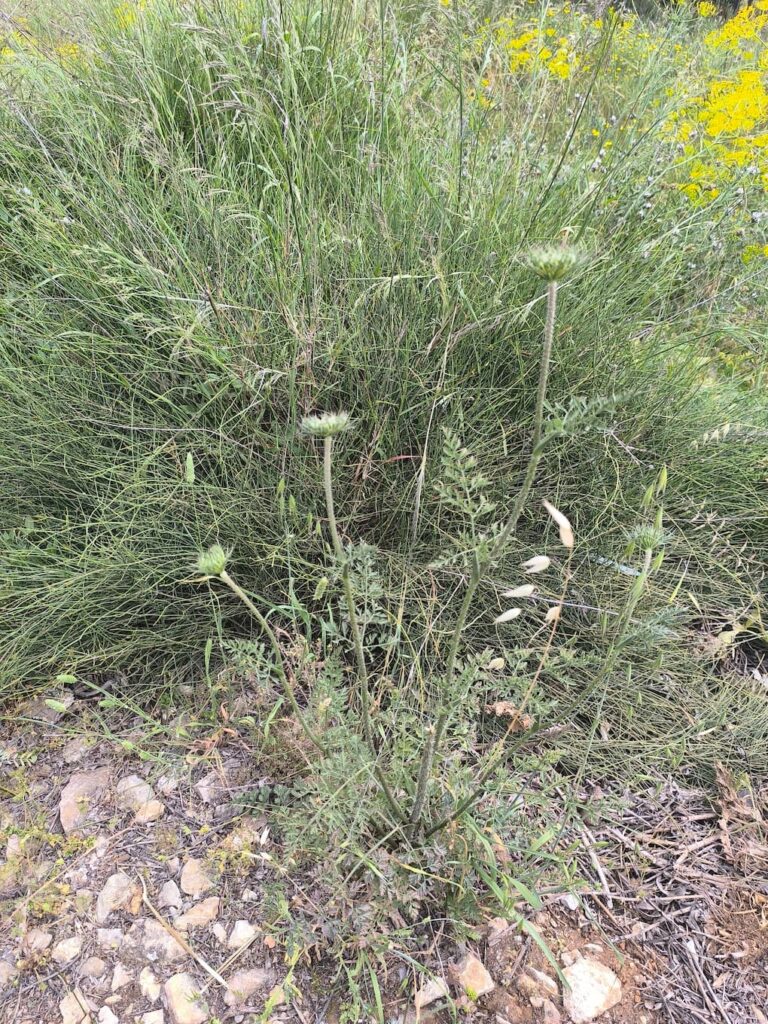
First one up in this section is wild carrot, or Queen Anne’s lace. It is a plant not recommended for beginner foragers because of how similar it can look to poison hemlock. But, in my opinion, it isn’t a great foraged food anyhow, and its best use is the seeds, which work as a type of birth control.
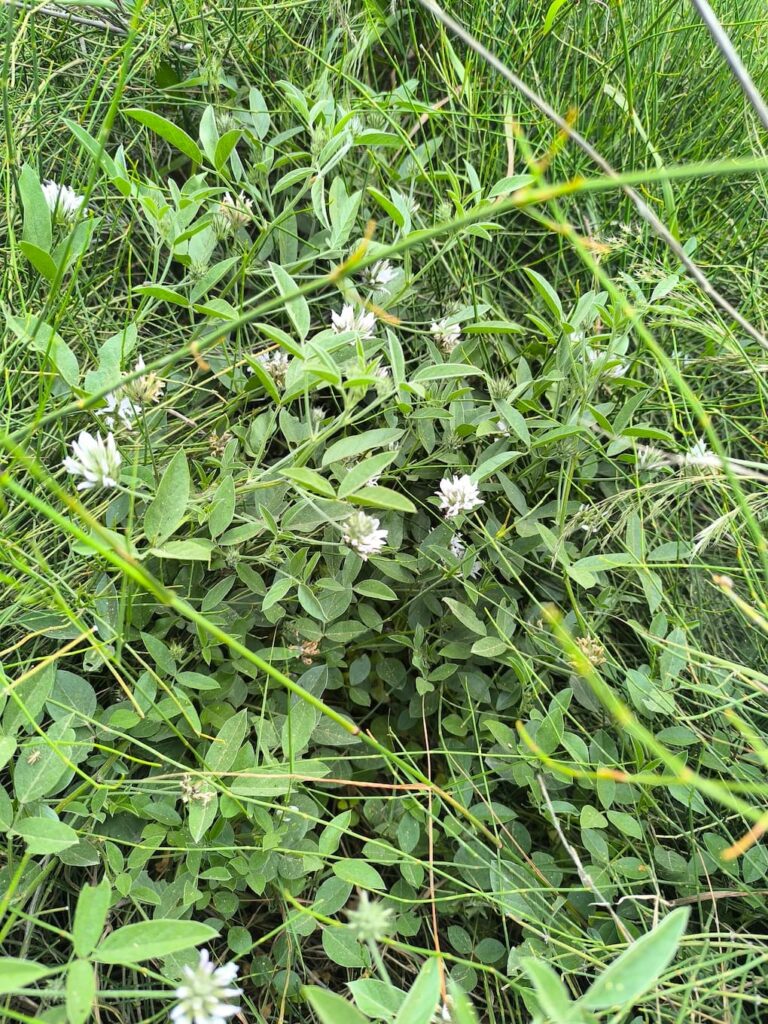
Then you’ve got these white clovers. I don’t know the exact species, but they’re white and they’re clovers, and all true clovers are edible.
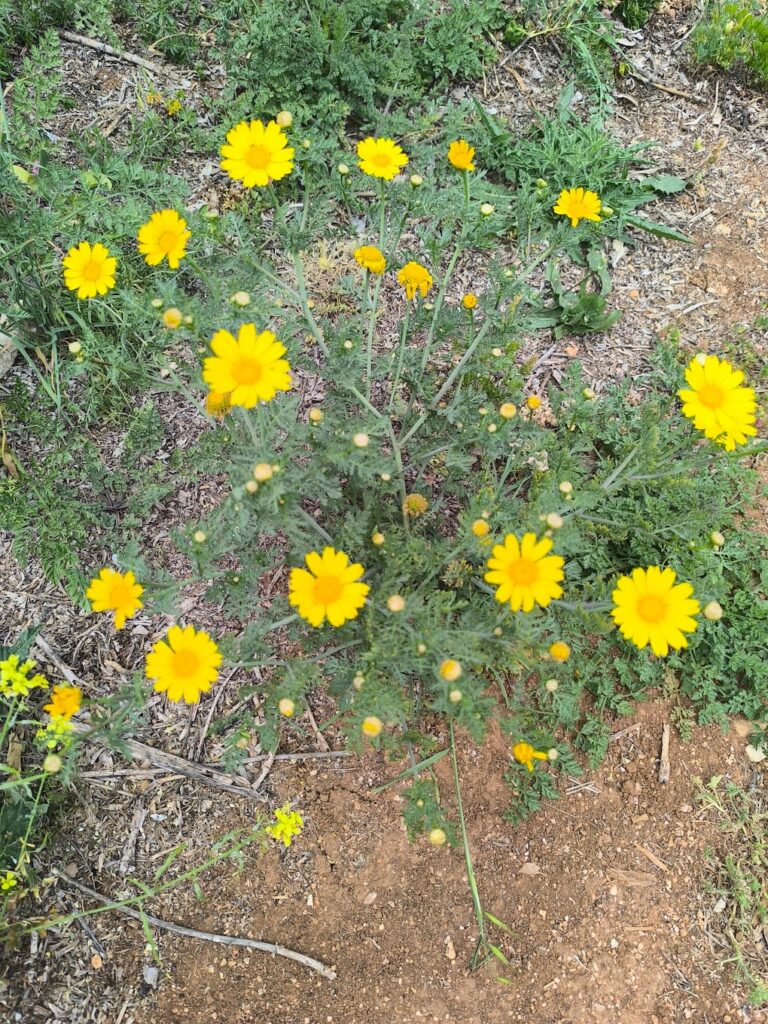
There were huge amounts of garland chrysanthemum growing all over. I love garland chrysanthemum and I was sure I’d written a blog post about it here, but I haven’t yet, so one is now in the works. While the flowers taste gross, the leaves taste terrific raw or cooked.
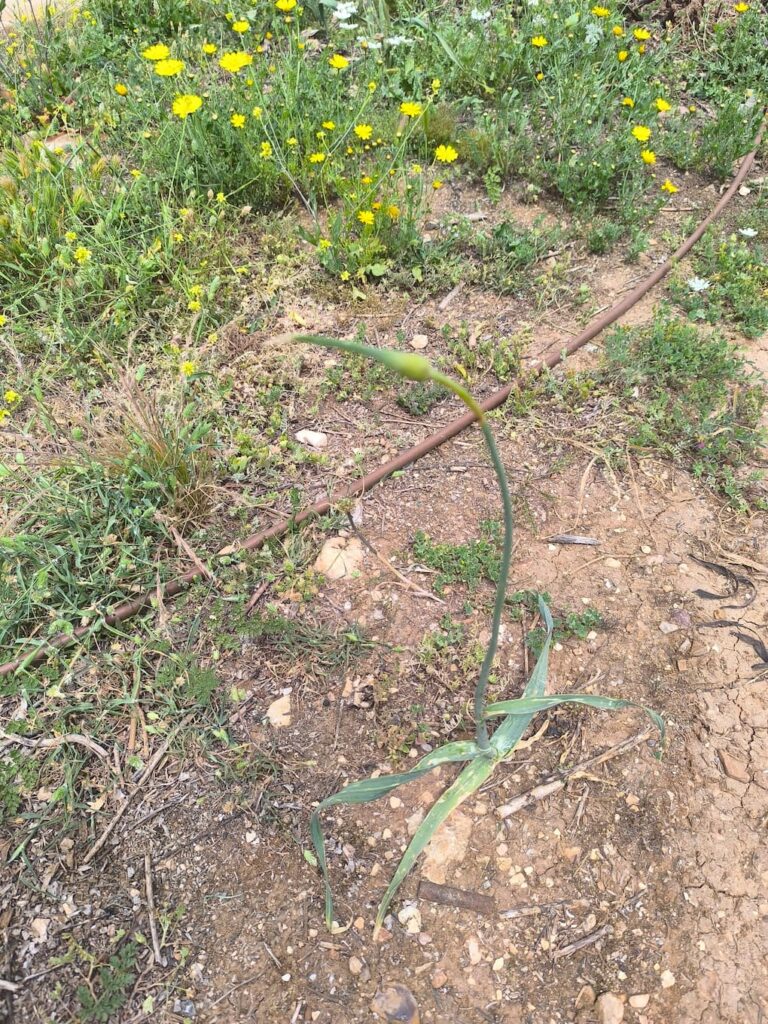
Next to the garland chrysanthemum was something very amusing- non wild garlic. Someone must have decided to plant some garlic cloves of theirs over there, because there were quite a few plants of garden variety garlic growing.
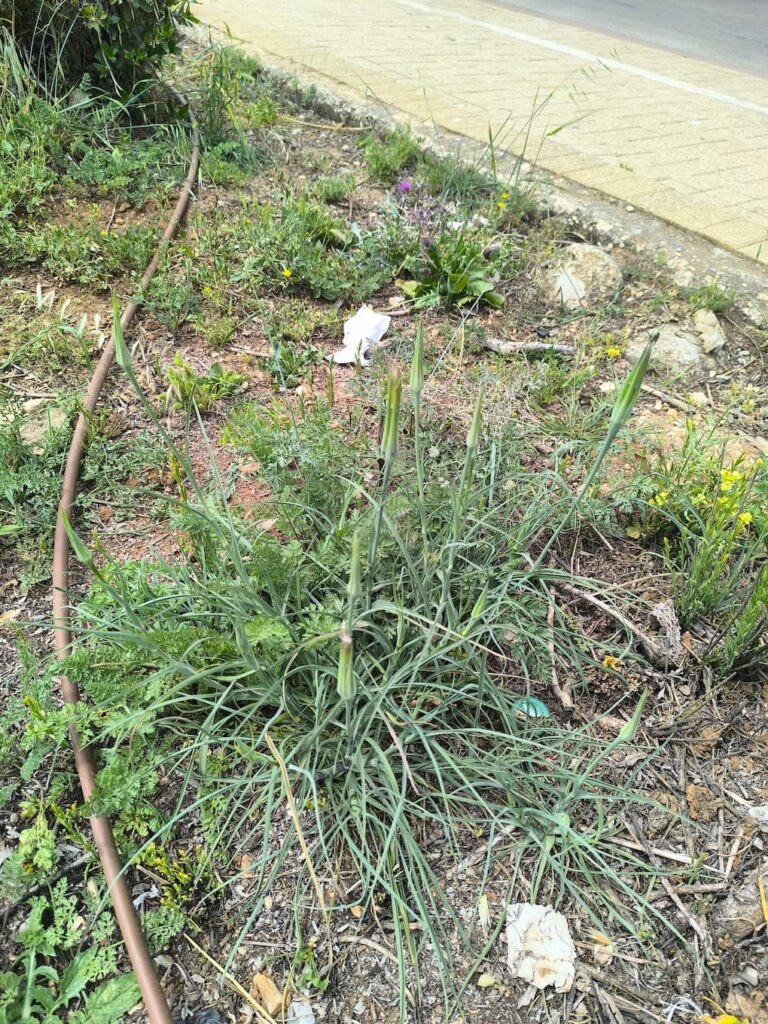
Next up- salsify or goatsbeard, another of my favorite forageables, because of how fun it is as a plant, and how mildly tasting it is, good both raw or cooked.
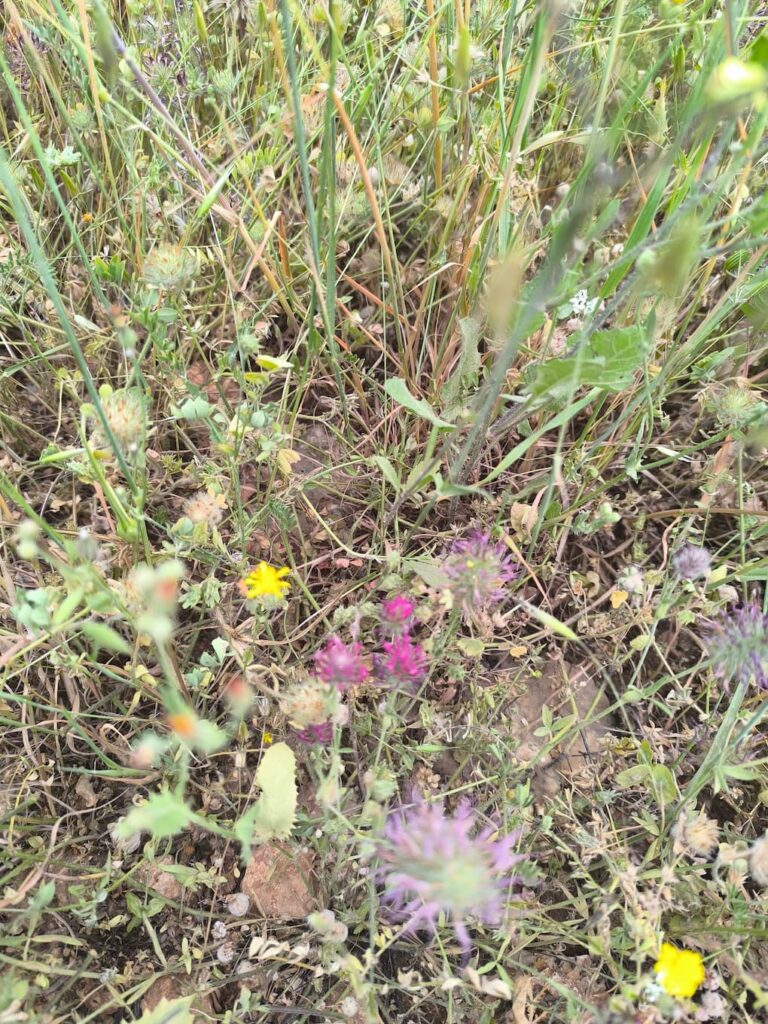
The camera was having a hard time focusing on the plants I wanted because there were just so many different plants at so many different heights, but I was trying to take a picture of the purple clover here. Purple clover is very medicinal and useful as a hormone replacement therapy for women going through menopause… and can bring on a period for someone in her childbearing years, often when she least expects it.
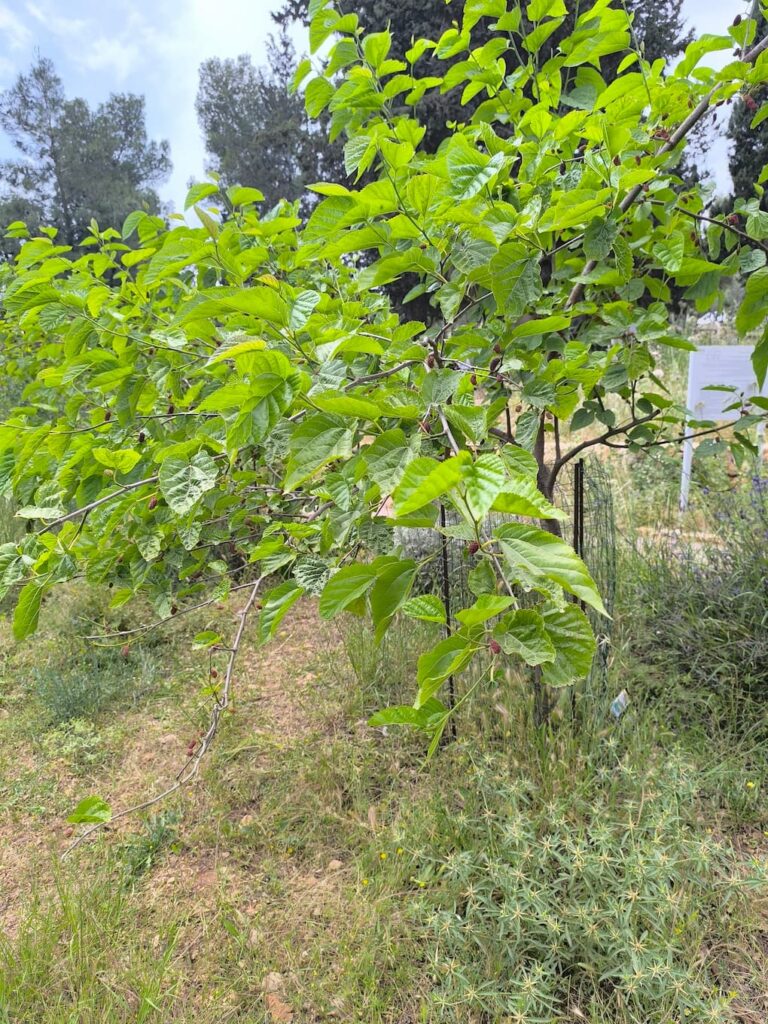
There were so many mulberries growing here. Mulberries aren’t actually wild where I live, but so many trees are planted around for landscaping purposes that it is easily to find delicious berries to forage.
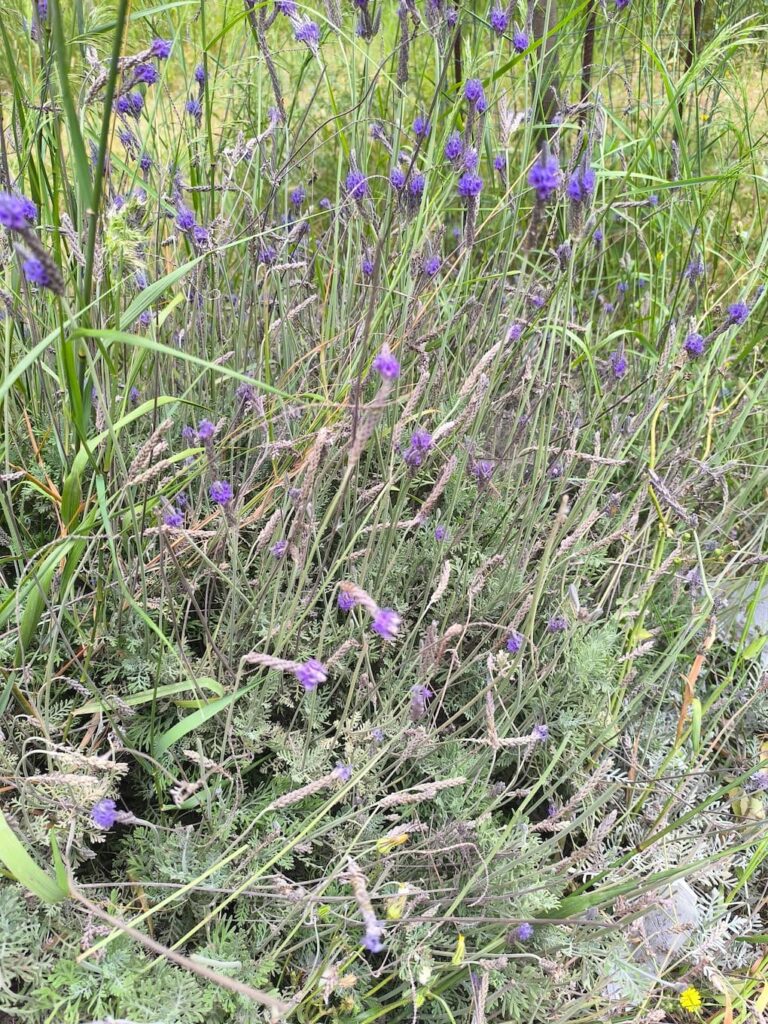
There were two types of lavender growing as well. These also aren’t native but were planted, but that doesn’t make them any less forageable or medicinal or edible. I like lavender on potatoes as an alternative to rosemary.
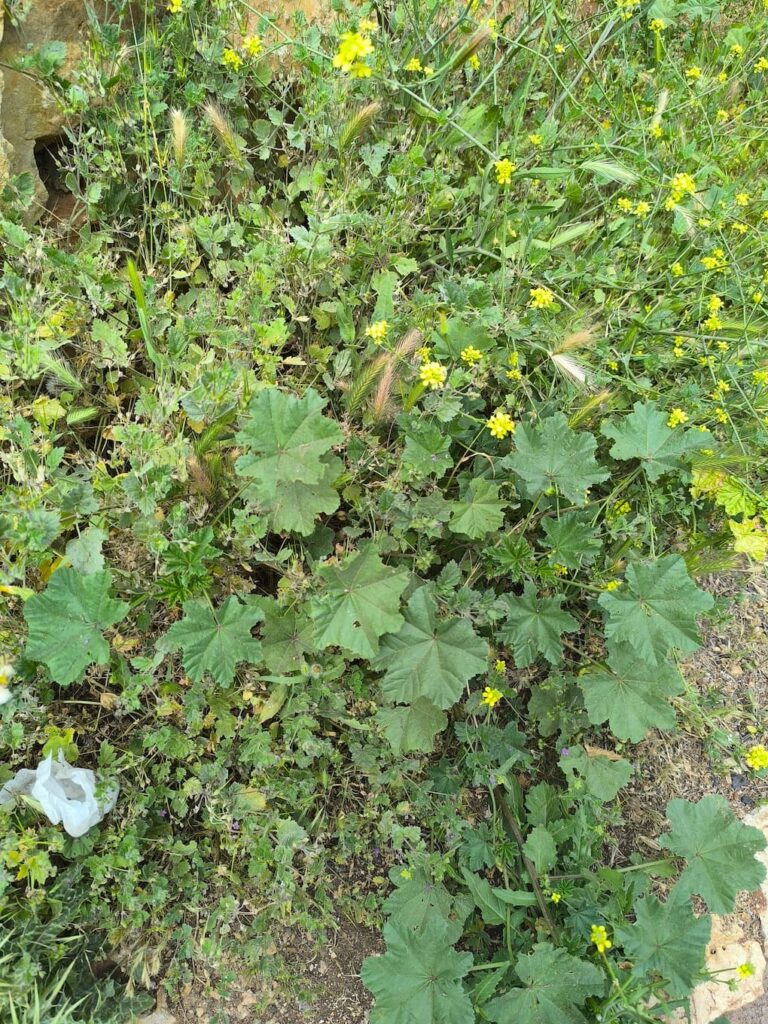
While there were mallow plants throughout my walk, I didn’t see very many of them in as good condition as this specimen, seen towards the end of my walk, as it is later on in the season.
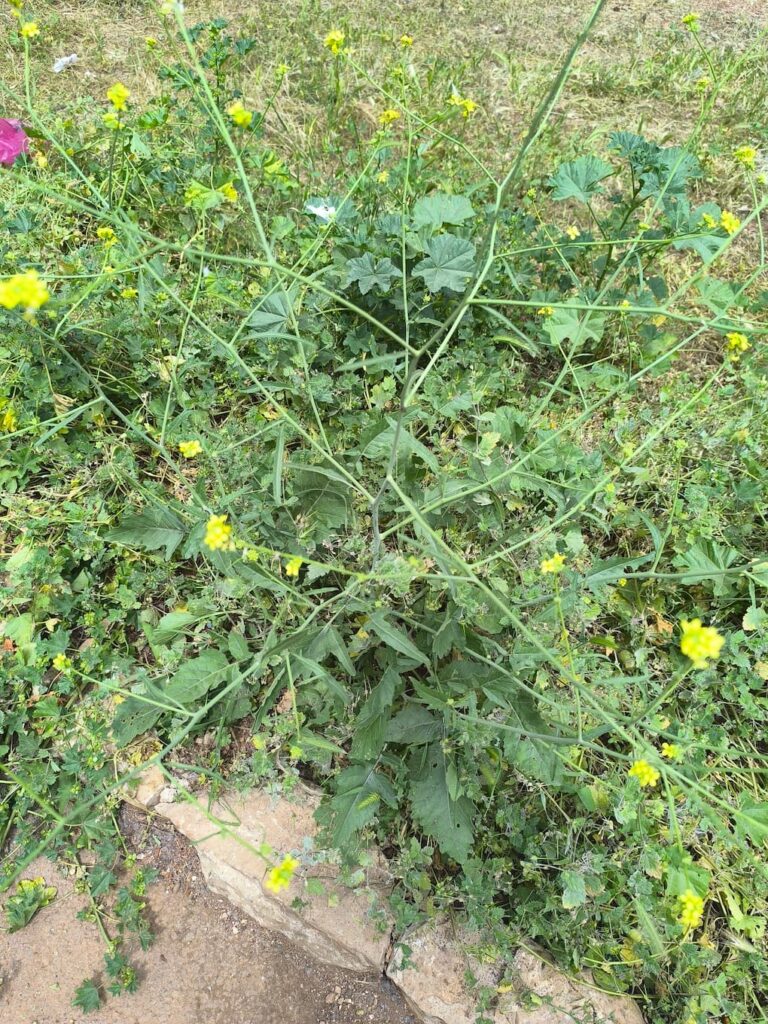
I found a huge mustard plant growing, another kind from what I photographed earlier, so I had to include it in this post as well.
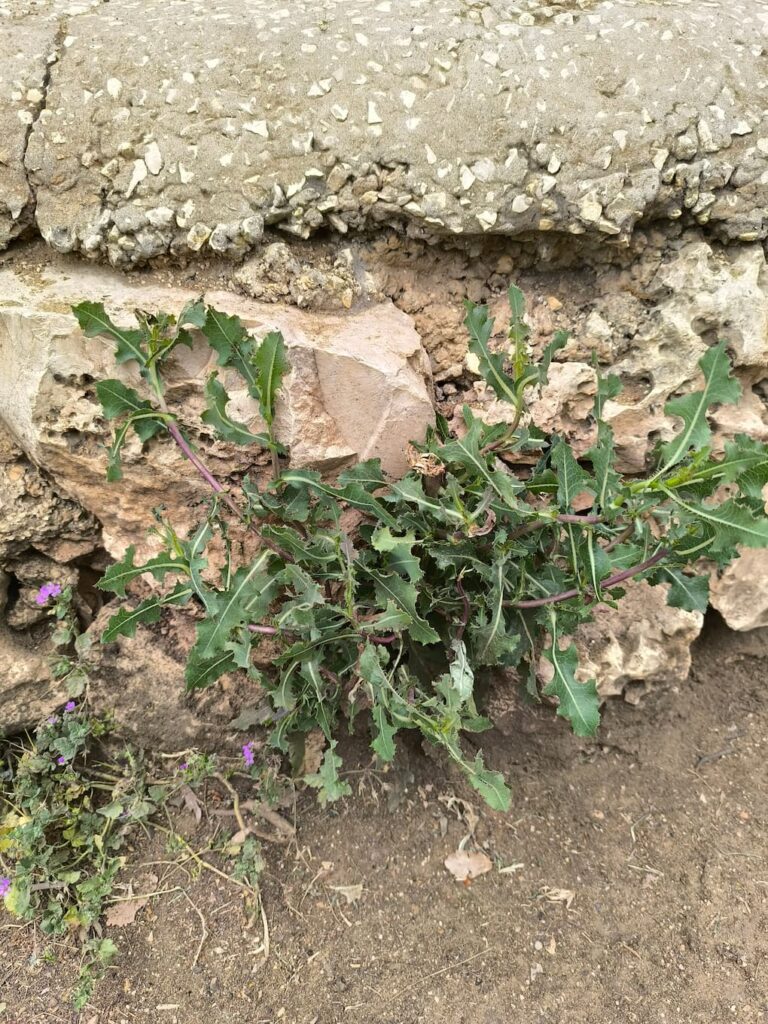
There was a large amount of wild lettuce growing all over, but it especially seemed to like growing from between rocks.
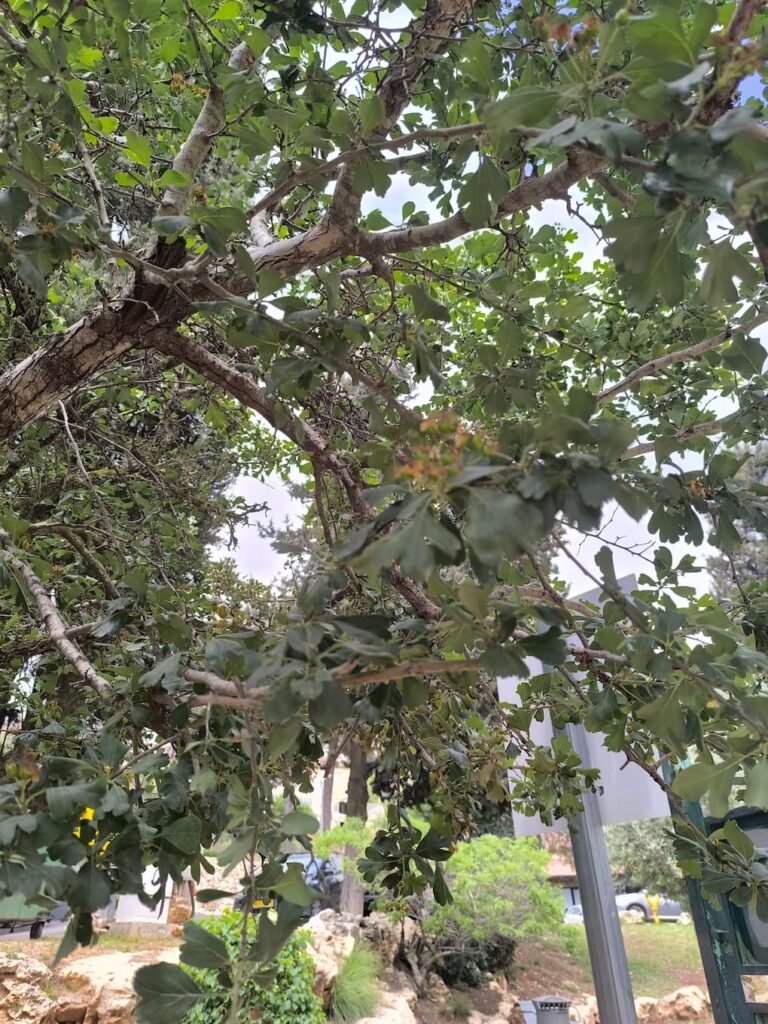
Last but not least, there was hawthorn, a plant whose fruit and young leaves are edible and delicious.
So many great wild edible plants growing in such a small area.
Is it really a surprise that this is where I often choose to teach foraging classes? Such a variety of edible forageable plant life. It is amazing. And once you know how to identify the plants growing beneath your feet, a whole new world opens up before you.
Which of these plants are you familiar with? Have you seen them growing around? Have you foraged any of them before?