Do you like DIY projects as much as I do? For me, there’s not much as fun as getting my hands on a piece of fresh wood, taking out my tools, and getting to work on a project. Plywood is a great type of wood to use for budget DIY projects, since it is easy to work with, frugal, and has many other benefits. Here are some great home projects you can make on a budget using plywood.
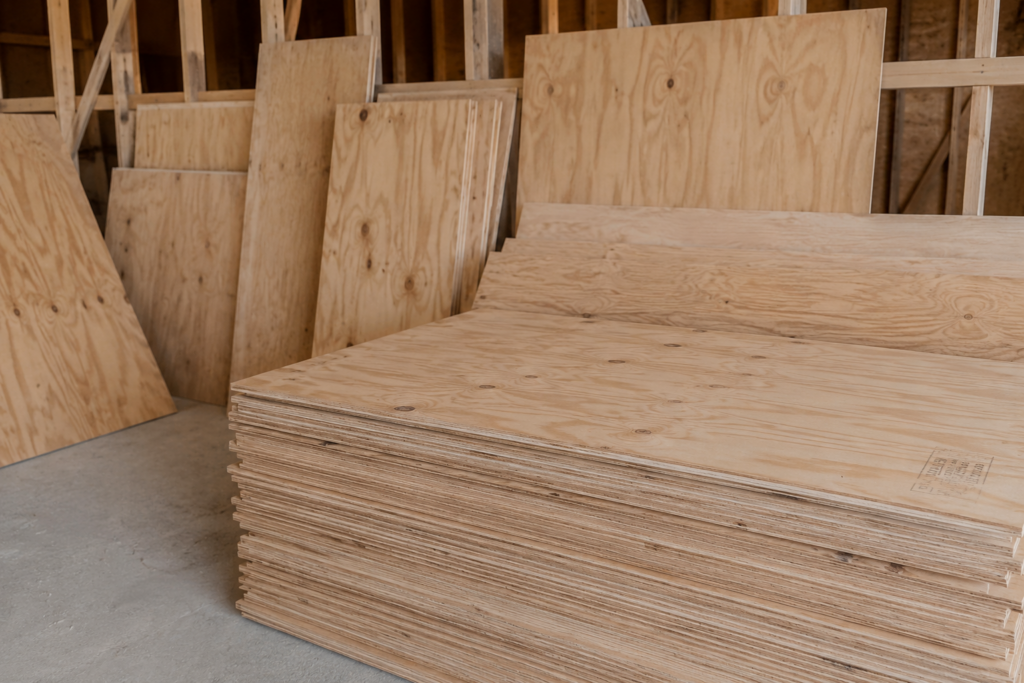
Plywood is the unsung hero of budget DIY. It’s strong, versatile, and surprisingly attractive when finished properly. Whether you’re furnishing a first apartment or upgrading your home on a tight budget, a single sheet of plywood can transform into furniture, storage, or decor that looks far more expensive than it actually is.
The best part? Most of these projects require only basic tools. A circular saw, some sandpaper, wood glue, and a handful of screws will get you remarkably far. Let’s break down some practical projects that won’t drain your savings account.
Custom Floating Shelves
Floating shelves from big box stores can cost $30 to $60 each. Build your own from plywood, and you’ll spend a fraction of that while getting exactly the size and finish you want.
How to Build Them
Cut a plywood board into strips of your desired width, typically between 6 and 10 inches deep. Sand the edges smooth, apply your chosen stain or paint, and mount them using L-brackets or a French cleat system. French cleats are particularly clever because they hide all the hardware, giving you that clean “floating” look.
A single 4×8 sheet of 3/4-inch plywood yields roughly six to eight shelves depending on your dimensions. That’s an entire wall of storage for under $50 in materials.
A Simple Bookcase That Actually Looks Good
Forget the wobbly particleboard bookcase from the discount furniture store. Plywood bookcases are sturdier, last longer, and can be customized to fit awkward spaces like that gap beside your fridge or the area under the stairs.
Keeping It Simple
The easiest design uses a basic box frame with fixed shelves. Cut two side panels, a top, a bottom, and as many shelf pieces as you need. Pocket hole screws make assembly fast and keep everything tight. If you don’t own a pocket hole jig, borrow one. They’re a game changer for plywood projects.
For a polished finish, apply iron-on edge banding to cover the exposed plywood layers. This tiny detail makes a homemade bookcase look professional, and it costs about $8 per roll.
Kids’ Furniture and Play Items
Children outgrow things fast. Spending hundreds on toddler furniture feels wasteful. Plywood gives you a smarter option.
A Toddler Activity Table
A small table and chair set requires surprisingly little material. The tabletop can be cut from a 24×24 inch square of plywood, with simple straight legs attached using corner braces. Sand everything thoroughly so there are no splinters, round the corners with a router or sandpaper, and finish with a non-toxic paint. Total cost: around $20.
Play Kitchen or Market Stand
Pinterest is full of elaborate plywood play kitchens, but even a simplified version delights kids. Build a basic cabinet shape, cut a circle in the top for a “sink bowl,” and add some wooden knobs for stove burners. Thrift store finds like small baskets and metal bowls complete the look without spending much.
Mudroom Storage and Entryway Organizers
Not everyone has a proper mudroom, but almost everyone needs a spot to drop keys, hang coats, and stash shoes. A plywood wall organizer solves this problem beautifully.
Build a simple bench with a hinged top for hidden shoe storage. Add a vertical panel behind it with hooks for coats and bags. Include a small shelf near the top for sunglasses, mail, or a plant. The whole unit can be assembled in a weekend and will immediately make your entryway feel more organized.
Birch plywood works especially well here because the grain is attractive enough to leave natural with just a clear coat. You save time on painting and end up with a piece that has real visual warmth.
Practical Tips to Save Even More
- Buy project panels. Home improvement stores sell pre-cut 2×4 foot plywood panels that are perfect for smaller projects. No wrestling with full sheets, and less waste.
- Use every scrap. Offcuts become drawer dividers, small shelves, plant stands, or even cutting boards if you seal them properly.
- Rent tools you don’t own. Many hardware stores rent circular saws and routers by the day for $15 to $25. Much cheaper than buying.
- Sand before you finish. Starting with 120 grit and working up to 220 grit makes paint and stain absorb evenly. Skipping this step is the fastest way to make a project look amateur.
- Measure twice. Seriously. Plywood isn’t expensive, but wasting material because of a bad cut still stings.
Building things yourself is one of the most satisfying ways to stretch a household budget. Plywood projects don’t require a workshop full of fancy equipment or years of woodworking experience. They just require a willingness to try. Start with something small like a shelf, gain confidence, and before you know it you’ll be furnishing rooms for the cost of a single store-bought piece. Your wallet will thank you, and honestly, so will your sense of accomplishment.