
When you own a home, repairs are inevitable. Whether it’s the HVAC system, plumbing, roofing issues, or whatever, things will crop up. And you might be tempted to put off repairing them when they’re small, because they’re just small issues. But ignoring small issues often means they will develop into bigger and more expensive issues later on, which is why you should get these fixed already in the early stages.
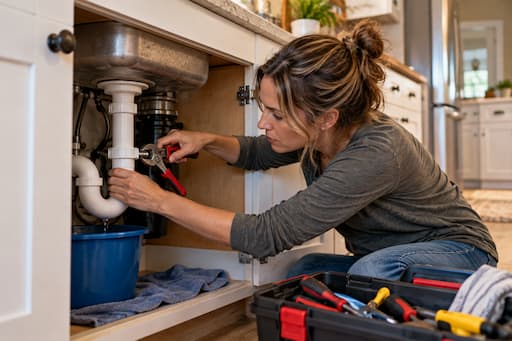
Home repairs often seem to show up at the worst possible time, especially when the family budget is already stretched. That makes it tempting to put off anything that does not seem urgent. If the faucet still works, the air conditioner is still cooling the house, and a small stain on the ceiling has not changed in months, it is easy to decide that the problem can wait.
The trouble is that some of the most expensive home repairs start as small, manageable issues. Water can spread far beyond the place where it first appears, minor exterior damage can leave other parts of the house exposed, and equipment that is struggling often becomes less efficient long before it stops working altogether.
Being budget-conscious does not mean repairing everything immediately or calling a professional for every minor issue. It means knowing which warning signs deserve attention before a relatively inexpensive fix turns into a much larger bill. These seven problems are particularly worth watching.
1. Small Roof Problems
A roof does not have to be actively leaking into a room before it needs attention. Missing or damaged shingles, worn flashing, loose materials, granule loss, or storm damage can all compromise the barrier that protects your home from the elements.
Deal With Damage Before Water Gets Inside
Once moisture finds a way through the roof, the problem may no longer be limited to the roofing material itself. Water can reach insulation, ceilings, walls, and wooden components, turning what could have been a localized repair into work involving several parts of the home.
This does not mean that every sign of wear calls for a full roof replacement. The first step is simply to determine how extensive the problem is, which can help homeowners avoid spending more than necessary. Live near Oklahoma City? A trusted local team handling roofing in Choctaw, OK can check out your roof and let you know whether a quick repair will do or it needs a bit more work.
After severe weather, it is worth checking for damage even if there is no obvious indoor leak. Wind and hail damage can be difficult to spot from ground level, and catching a problem early gives homeowners more options than waiting until water starts entering the house.
2. Slow Plumbing Leaks
A dripping faucet is irritating, but the more expensive plumbing problems are often the ones that are easy to miss. A slow leak beneath a sink, around a toilet, behind an appliance, or inside a cabinet can continue for weeks before anyone realizes how much water has escaped.
Watch for Changes, Not Just Puddles
Damp smells, discolored surfaces, peeling paint, swollen cabinetry, unexpectedly high water bills, or recurring moisture around fixtures are all good reasons to investigate. The U.S. Environmental Protection Agency notes in its household leak guidance that common household leaks can waste thousands of gallons of water each year, while fixing readily correctable leaks can help reduce water bills.
Some plumbing problems are simple enough to handle without professional help. Penniless Parenting has previously shared DIY plumbing tips for common household issues such as clogged drains and leaking fixtures. Knowing how to handle a minor problem can certainly save money, but knowing when a repair is beyond your skills is just as important.
A small plumbing repair is usually far less expensive than replacing flooring, cabinets, drywall, or other materials damaged by water that has been allowed to spread.
3. Clogged or Poorly Draining Gutters
Gutters are easy to overlook because most of the time, you barely notice them. They do, however, have an important job: directing rainwater away from areas where it can cause damage.
Keep Water Moving Away From the House
Leaves, twigs, dirt, and other debris can prevent water from flowing properly through gutters and downspouts. When that happens, water may overflow near exterior walls, collect around the foundation, or find its way behind parts of the roofline.
Cleaning gutters may not be the most exciting way to spend money or a free afternoon, which is exactly why it is so easy to postpone. Yet basic maintenance can be far less costly than dealing with moisture damage later.
Homeowners should also pay attention to where downspouts release water. A clear gutter system does little good if the water is simply deposited next to the foundation. After heavy rain, take a quick walk around the property and notice where water collects. Small drainage problems are much easier to address before they become persistent ones.
4. Cracks and Gaps Around Windows and Doors
A small gap around a window or door may seem cosmetic, especially if there is no visible water entering the home. Over time, however, damaged seals and gaps can affect both comfort and energy use.
Pay Attention to Drafts and Moisture
If certain rooms are consistently harder to heat or cool, or you can feel air moving around a closed window or exterior door, check the surrounding seals. Caulk and weatherstripping deteriorate over time and may need to be repaired or replaced.
Moisture deserves particular attention. Water that repeatedly enters around a window frame can damage surrounding materials, and covering the visible mark without addressing the source will not solve the underlying problem.
This is the kind of maintenance that can be relatively inexpensive when caught early. Spending a modest amount to seal a gap is much easier to absorb than replacing damaged trim, drywall, or other materials after repeated exposure to water.
5. An HVAC System That Is Struggling
Heating and cooling systems rarely go from working perfectly to complete failure without any warning. They may start running longer, making unusual noises, producing uneven temperatures, or requiring frequent thermostat adjustments.
Do Not Wait for Complete Failure
Routine maintenance cannot guarantee that equipment will never break, but neglect can make an already expensive system work harder than necessary. ENERGY STAR’s HVAC maintenance checklist notes that dirty filters can increase energy costs and contribute to equipment damage, while dirty coils can make cooling systems run longer and reduce their service life.
Some basic maintenance is simple enough for homeowners to manage themselves. Penniless Parenting’s guide to air conditioning maintenance covers routine tasks that can help systems operate effectively and avoid unnecessary expenses.
The key is to notice when something changes. If energy use suddenly rises or the system starts behaving differently, waiting until it stops working completely could leave the family facing both a larger repair bill and an urgent need to fix the problem.
6. Minor Electrical Warning Signs
Electrical problems are different from many other household repairs because the potential consequences go beyond the cost of fixing them. Flickering lights, outlets that feel unusually warm, repeated breaker trips, buzzing sounds, or burning smells should not simply become quirks that everyone learns to live with.
Know Which Jobs Are Not DIY Projects
DIY home repair can be a great way to keep household costs under control. Painting a room, replacing simple hardware, unclogging a drain, and learning other basic maintenance skills can all save money. Penniless Parenting has also discussed how DIY home repairs can help families cut costs while building useful practical skills.
Electrical work, however, is one area where saving on labor should never come before safety. If an outlet, circuit, wiring system, or electrical panel is showing signs of a problem, having it properly assessed is safer than repeatedly resetting a breaker or relying on a temporary workaround.
It also helps to know the difference between a minor inconvenience and an actual warning sign. A burned-out bulb is routine. A switch that becomes hot, an outlet that smells burned, or a circuit that repeatedly trips deserves a different level of attention.
7. Small Signs of Moisture
Not every moisture problem begins with a dramatic leak. Condensation, poor ventilation, plumbing seepage, roof problems, damaged seals, or water entering from outside can all create damp areas that initially seem minor.
Find the Source Before Fixing the Surface
Painting over a stain or wiping away visible moisture may make a room look better, but it does not explain why the moisture appeared in the first place. If the same area repeatedly becomes damp, the source needs to be identified.
Start by looking at what is nearby and when the problem tends to appear. A bathroom may need better ventilation. Moisture under a sink could point to a plumbing connection. A ceiling stain that appears after rain calls for a different investigation than condensation around a window.
Paying attention to these patterns can save both time and money. Note whether moisture appears after storms, after someone showers, when an appliance runs, or only during certain seasons. Those details can make it easier to identify the cause instead of paying for repeated cosmetic repairs that never solve the actual problem.
Build Small Repairs Into the Family Budget
Preventive maintenance is much easier when every repair does not feel like an unexpected financial emergency. Even a modest amount set aside regularly for the home can create some breathing room to deal with small problems before they become urgent.
Decide What You Can Fix and What Needs Help
Not every issue requires a contractor. Learning basic household skills can reduce costs, particularly for routine maintenance and simple repairs. The important part is being realistic about where DIY savings end and unnecessary risk begins.
Keep a basic list of maintenance tasks and check the house periodically rather than waiting for something to break. Look under sinks, inspect visible seals, pay attention to changes in heating and cooling, check for signs of moisture, and look over the exterior after severe weather. This does not mean obsessing over every scratch or creak. It simply makes small changes easier to notice.
When professional help is necessary, addressing a problem while it is still limited can also give you more time to compare options, understand the repair, and plan for the expense. Emergency repairs rarely offer the same flexibility.
Small Problems Are Usually Cheaper to Fix
Putting off a repair can feel like saving money because nothing leaves the bank account today. In reality, postponing the wrong problem can lead to a much larger expense later.
The goal is not to keep a home in perfect condition at all times. Homes age, materials wear out, and unexpected repairs are part of owning or renting a property. A practical maintenance strategy is simply about catching manageable problems while they are still manageable.
Paying attention to roof damage, plumbing leaks, drainage, failing seals, HVAC performance, electrical warning signs, and recurring moisture can protect more than the house itself. It can also make household expenses more predictable, which is often just as valuable.