
My family loves Middle Eastern cuisine; it’s one of our favorites. But if you’re unfamiliar with it, you might not know where to start when it comes to introducing these delicious foods to your family. Here are some simple ways to bring the wonderful flavors of Middle Eastern cooking into your kitchen and get everyone excited to try something new.
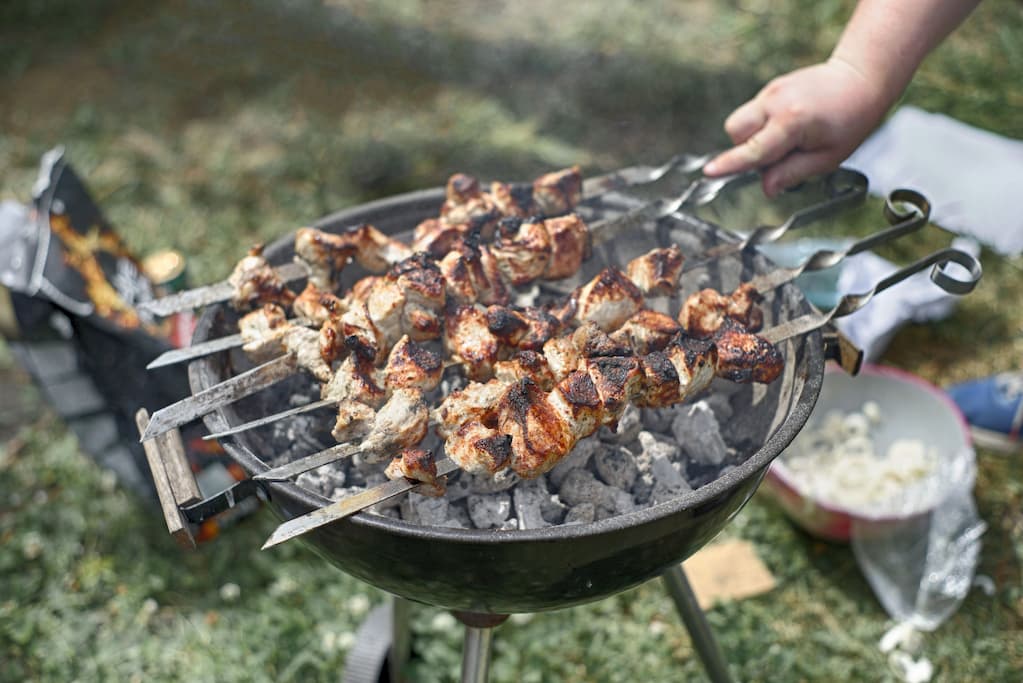
Weeknight dinners have a way of falling into a pattern. The same handful of meals comes around again and again until everyone knows what to expect. Middle Eastern cooking offers a welcome way out of that routine. Its warm spices, fresh herbs, bright sauces, and generous sharing style can turn an ordinary evening into something the whole family looks forward to.
The good news is that much of this food is built on simple ingredients and straightforward methods, which means busy home cooks can enjoy it without spending hours in the kitchen.
Starting With a Dish the Whole Family Will Enjoy
The easiest way to bring new flavors into a family kitchen is to begin with something familiar in shape but exciting in taste. Spiced ground meat shaped onto skewers is a perfect example, since it feels as approachable as a burger while carrying the warmth of the eastern Mediterranean.
Getting the mix to hold its shape on the skewer is the part that trips many beginners up, so a tested method makes all the difference. Home cooks who want a dependable starting point can follow this kofta kebab recipe, which blends fresh lamb and beef with grated onion, garlic, cumin, coriander, and a touch of cinnamon before grilling. Served with warm pita and a cool yogurt sauce, it makes an easy first step into a cuisine that rewards a little curiosity.
Building a Simple Spice Collection
Spices are the heart of Middle Eastern cooking, and a small collection goes a long way. Cumin brings an earthy depth, coriander adds a gentle citrus note, paprika offers color and mild sweetness, and cinnamon gives savory dishes a surprising warmth. Allspice, turmeric, and sumac are also worth adding once you feel comfortable. Sumac in particular has a tangy, lemony flavor that brightens salads, roasted vegetables, and grilled meats.
Buying spices in small amounts keeps them fresh and full of flavor. Ground spices lose their strength over time, so it helps to replace them regularly rather than letting jars sit for years.
Using Fresh Herbs Generously
Many Western dishes treat herbs as a garnish, but Middle Eastern cooking often uses them by the handful. Parsley, mint, and dill appear in salads, sauces, and fillings, adding freshness that balances rich meats and warm spices. A bowl of tabbouleh, for example, is mostly chopped parsley with a little bulgur, tomato, lemon juice, and olive oil.
Keeping a few bunches of fresh herbs in the refrigerator makes it easy to add brightness to almost any dinner. Wrapping them loosely in a damp paper towel and storing them in a bag helps them last through the week. Even a simple plate of grilled chicken or roasted vegetables feels more complete with a scattering of chopped mint and parsley on top.
Making Dips and Sauces at Home
Dips and sauces are some of the most loved parts of Middle Eastern meals, and they are also among the easiest to make. Hummus needs little more than chickpeas, tahini, lemon juice, garlic, and olive oil, all blended until smooth. Baba ghanoush follows a similar idea, using roasted eggplant for a smoky, creamy result.
Yogurt-based sauces are just as simple. Mixing plain yogurt with grated cucumber, garlic, lemon, and a pinch of salt creates a cooling sauce that pairs well with grilled meats and spiced vegetables. Tahini sauce, made by thinning tahini with lemon juice and water, adds a nutty richness to salads and roasted dishes. Making a batch of one or two of these at the start of the week gives you ready flavor for several dinners.
Embracing the Shared Table
One of the most appealing parts of Middle Eastern dining is the way food is shared. Instead of individual plates, meals often feature several small dishes placed in the center of the table for everyone to enjoy together. This style, often called mezze, encourages conversation and lets each person build a plate that suits their tastes.
For families, this approach can make dinner feel relaxed and social. A spread of warm flatbread, a dip or two, a fresh salad, some olives, and one main dish is enough to create a satisfying and colorful meal without much extra work.
Adding Grains and Breads to the Menu
Grains and breads form the backbone of many Middle Eastern meals. Rice is often cooked with spices, toasted noodles, or herbs, while bulgur and couscous offer quick and filling alternatives. These grains cook easily and soak up the flavors of sauces and juices from the rest of the meal.
Flatbreads such as pita are equally important. Warming them in the oven or on a hot pan makes them soft and fragrant, perfect for scooping up dips or wrapping around grilled meat and vegetables.
Bringing Vegetables Into the Spotlight
Vegetables play a starring role in this style of cooking rather than sitting on the side of the plate. Eggplant, zucchini, tomatoes, peppers, and cauliflower are often roasted with olive oil and spices until tender and caramelized. Chickpeas and lentils appear in soups, stews, and salads, adding protein and heartiness to meat-free meals.
A tray of roasted vegetables tossed with cumin and finished with a drizzle of tahini sauce can easily become the center of a weeknight dinner. Lentil soup flavored with cumin and lemon is another affordable and comforting option that families can enjoy throughout the colder months.
Getting Children Involved in the Kitchen
New flavors are often easier to accept when children help prepare them. Younger kids can rinse herbs, stir yogurt sauces, or arrange flatbread on a platter. Older children can measure spices, mash chickpeas, or shape meat onto skewers with a little guidance.
Letting children smell each spice and guess what it might taste like turns cooking into a small adventure. When they have a hand in making the meal, they are usually more willing to try it and more likely to ask for it again.