Ever since I was a young child, I took swimming lessons. By the time I was 12 years old, I had passed all the 7 levels of the Red Cross swimming lesson levels and by the age of 15 became a certified lifeguard. For my children, learning to swim was something important for me to ensure, and three out of four of them even had swimming lessons through the school system, and I taught them all on top of their lessons. If you’re unsure whether to invest in swimming lessons for your kids, here are some important facts, how swimming skills can save their lives.
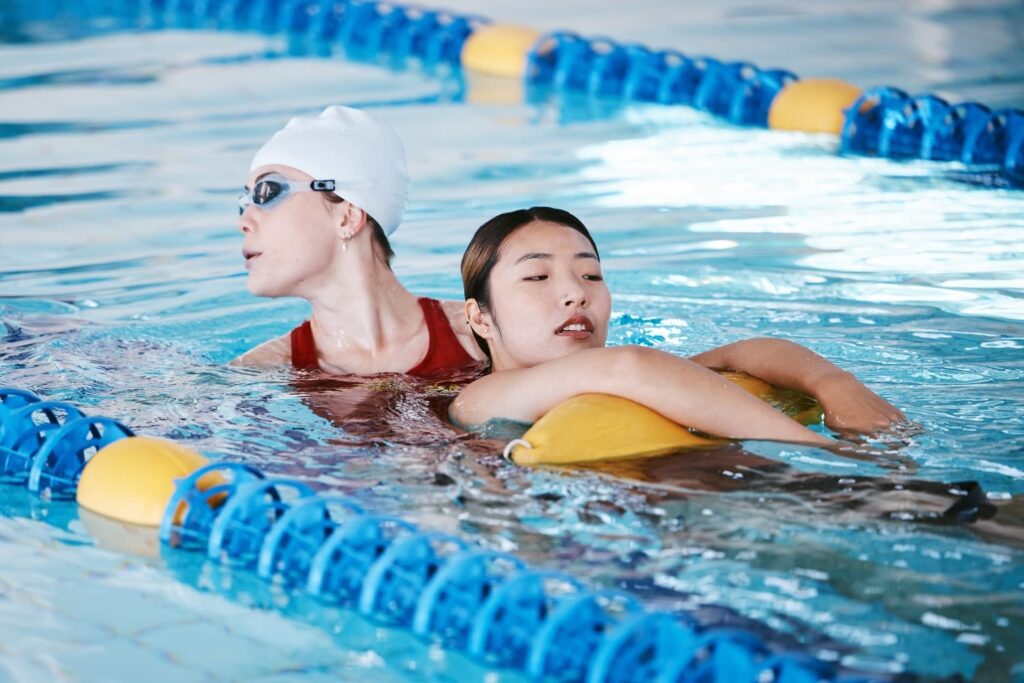
Swimming teaches practical abilities for moving through water and managing different aquatic situations. People who train in these skills gain the knowledge to approach water with improved confidence and preparation. Many begin learning to swim for enjoyment or fitness, yet the ability to handle oneself in water extends into safety, accident prevention, and even saving lives. The process involves physical conditioning, mental awareness, and practical knowledge that, together, create a strong foundation for aquatic safety.
Structured Lessons for Lasting Skills
Structured learning makes a difference in how effectively swimming skills are developed. In settings like Manchester swimming lessons, participants follow organized programs that adapt to different age groups, fitness levels, and learning speeds. The format encourages gradual skill progression, giving beginners a chance to feel comfortable in the water while allowing advanced swimmers to refine their techniques.
Regardless of the location, the principle remains the same: guided instruction provides consistency and feedback that are difficult to achieve without a structured plan. Over time, swimmers close skill gaps and grow more confident as they see measurable progress.
Building Awareness for Safer Swimming
One of the most direct ways swimming saves lives is through water safety awareness. People trained in recognizing risks, such as sudden changes in water depth, strong currents, or unsafe pool behavior, are better equipped to avoid dangerous situations before they escalate. Preventive skills are as important as reactive ones. For example, knowing when to wear life jackets in open water conditions adds an extra layer of protection, especially for those who may not be strong swimmers.
Core Abilities That Protect Lives
Skill development often begins with learning to swim in a controlled environment, progressing from basic comfort in the water to more advanced abilities. Core competencies such as treading water build endurance and teach balance, enabling swimmers to remain afloat in deep water without relying on external support.
Breathing control, developed through repeated drills, allows for longer periods of sustained movement. The combination of endurance and efficient breathing can be the deciding factor when self-rescue or assisting others becomes necessary. These capabilities require repetition, guidance, and a commitment to practicing correct form.
Why Technique Matters
Stroke technique plays a major role in both efficiency and safety. Movements like the front crawl rely on coordinated arm motion, flutter kicks, and proper body alignment to propel the swimmer while using less energy, an advantage that can help in longer swims or challenging situations.
Training in different swimming strokes gives a swimmer the flexibility to adapt to various conditions. For example, certain strokes are more efficient in calm waters, while others work better when maneuvering through waves. Versatility in movement increases the chances of managing unexpected challenges effectively.
The Role of Skilled Instruction
The best instructors combine technical knowledge with observation, spotting inefficient movements and correcting them early. Some programs include video analysis, which allows swimmers to review their own form and see what adjustments are needed. Feedback provided in this way can highlight issues that aren’t obvious during the act of swimming. Clear instructions, consistent corrections, and practical demonstrations create an environment where progress is measurable and sustainable.
Readiness for Emergency Situations
Water survival skills such as floating on one’s back, using minimal energy to stay above water, and signaling for help are essential. Basic first aid knowledge also contributes to safety in aquatic environments. The ability to perform CPR or treat minor injuries promptly can reduce the impact of an incident until professional help arrives. Training that combines swimming with these safety measures equips individuals to respond effectively under stress, a skill set that benefits both the swimmer and those around them.
Fitness as a Safety Asset
While safety is a priority, swimming also offers health and fitness benefits that indirectly support survival in challenging water situations. It is a full-body workout that builds cardiovascular endurance, muscular strength, and joint flexibility without the strain that high-impact activities impose. Regular swimming develops the stamina necessary to maintain performance for longer periods, which can be critical when covering distance in open water. Fitness gained through swimming carries over into other areas of life, supporting overall well-being.
Planning for Continued Growth
Training plans in swimming work best when they change over time. Early sessions might focus on simple movements and short distances, while later sessions introduce longer swims, complex drills, and safety exercises. Adjusting the focus as skills improve keeps the training relevant and effective.
Progress is easier to track when each stage has clear objectives, such as refining a specific stroke or increasing endurance in open water. Over weeks and months, this approach builds a range of abilities without letting any one area lag behind.
Conclusion: Swimming Skills as Lifelong Protection
The ability to swim transforms how people experience water, shifting it from a source of risk to a space where safety and skill coexist. Learning, refining, and applying swimming skills gives individuals the tools to prevent accidents, respond in emergencies, and maintain control in unpredictable situations.
From technique to safety awareness, each skill gained supports the overall goal of reducing risk and increasing capability in the water. Swimming develops the preparation and skills needed to stay safe in various aquatic situations.