
Does your teen like to skateboard? I tried skateboarding one time and with my first step onto the board ended up injured, flat on my back- not for me. If you live in New York City, or any city really, here’s how you can help your teenager become a better and safer skateboarder.
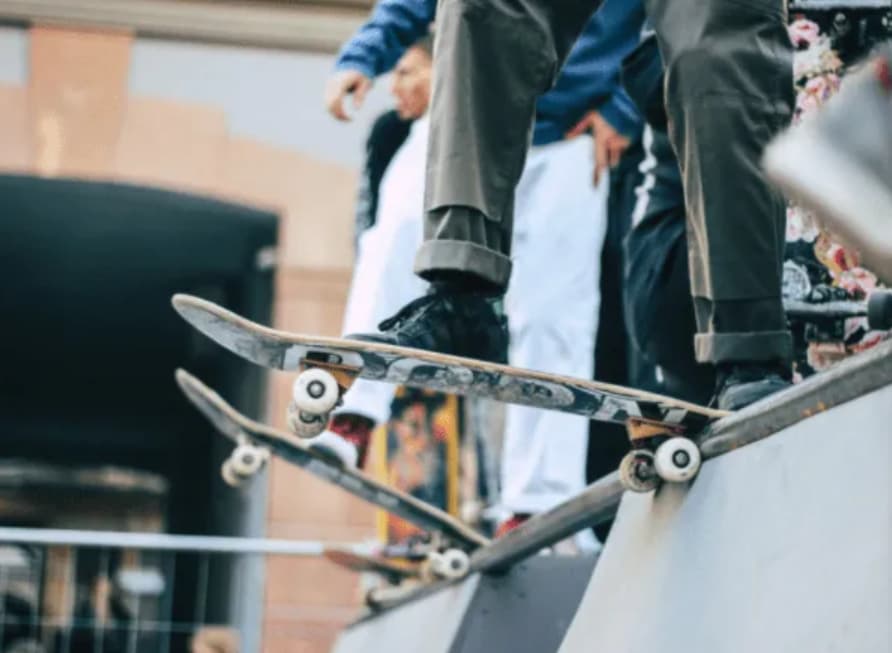
In New York City, skateboarding isn’t just a sport—it’s a culture woven into the sidewalks, plazas, and parks. For teenagers, learning to skateboard in the city can be an exciting way to build confidence, independence, and community connections. But with crowded streets, unpredictable weather, and fast-paced skateparks, safety and smart habits are key. Whether your teen is cruising from the block to the bowl, here’s how you can help them skate smarter in NYC.
1. Start with the Basics—Even on the Sidewalk
Before your teenager ventures into busy skateparks, it’s essential they master the fundamentals. Smooth, low-traffic sidewalks or empty basketball courts can be the perfect training grounds.
Key skills to focus on:
- Pushing and stopping safely without wobbling
- Balance drills such as riding in a straight line and making controlled turns
- Falling correctly to minimize injury (rolling on impact rather than bracing with hands)
If they need a confidence boost early on, structured programs like Brooklyn skate lessons can provide that extra push while keeping things fun and safe. These lessons are especially helpful for teens who learn best with step-by-step guidance and instant feedback.
2. Make Safety Gear Non-Negotiable
NYC sidewalks and parks can be unpredictable—think sudden potholes, uneven pavement, or another skater cutting across their path. Equip your teen with:
- A certified skateboard helmet (look for CPSC certification)
- Knee and elbow pads for impact protection
- Wrist guards to prevent common skate injuries
When gear becomes part of their routine, they’re more likely to skate with confidence and less fear of falling. For teenagers, style matters—so let them choose designs and colors they like. A helmet they’re proud to wear is a helmet they’ll actually use.
3. Understand the NYC Skateboarding Landscape
From street skating in SoHo to bowls in Brooklyn, NYC offers a variety of spots. Each environment demands different skills:
- Street Spots: Navigating pedestrians, street furniture, and traffic requires awareness and quick reflexes.
- Public Skateparks: These can be busy, so learning skatepark etiquette—like taking turns and staying out of other skaters’ lines—is crucial.
- DIY and Community Parks: Often built by local skaters, these spots encourage creativity but can have unique layouts that require extra caution.
An NYC skateboard school can also help teens learn how to adjust their skills for different settings without feeling overwhelmed. The structured environment helps them transition from practicing on smooth pavement to navigating more complex skatepark obstacles.
4. Teach Them Skatepark Etiquette
Just like driving in NYC traffic, skateparks have unspoken rules:
- Wait your turn—don’t drop into a ramp or bowl while someone else is skating.
- Look both ways before crossing a skate area.
- Encourage, don’t criticize—positive interactions help build the community.
For teens, understanding this etiquette early makes it easier to integrate into the skate community. They’ll not only avoid collisions but also earn respect from more experienced skaters.
5. Mix Street and Park Skills
Some teens get comfortable in one environment and avoid the other, but NYC skaters thrive when they can blend both worlds. Practicing ollies on the street and then trying them on a ramp builds versatility.
You can also plan “progression days”—starting with an easy sidewalk session in the morning, then heading to a park in the afternoon. This helps them adapt to different terrains and speeds.
Encouraging variety keeps them motivated. Learning how to approach obstacles from different angles—whether it’s a curb outside their apartment or a quarter pipe in a park—prepares them for any skate spot in the city.
6. Encourage Peer Learning
NYC’s skate culture is full of mentors—teenagers often learn fastest when skating alongside slightly more advanced peers. If your teen is shy, consider enrolling them in group sessions where instructors can guide them while they make friends.
Peer learning also helps them pick up unwritten city skating habits—like spotting cracks before rolling over them or timing tricks between bursts of pedestrian traffic.
Sometimes, watching another skater attempt a trick can teach more than any verbal explanation. Teens often feel inspired to push themselves when they see someone their age land a trick they’ve been struggling with.
7. Balance Skate Time with Recovery
Teenagers are full of energy, but repetitive strain can lead to injuries, especially in knees and ankles. Make sure they:
- Stretch before and after sessions
- Take rest days to let muscles recover
- Cross-train with other activities like swimming or cycling to strengthen supporting muscles
Rest isn’t just physical—it’s mental too. Over-skating can lead to frustration and plateaus. Giving them time off helps them come back fresher and more motivated.
8. Plan for NYC’s Weather Challenges
New York weather can turn on a dime. Summer heat, sudden rain showers, and icy winter streets all affect skate safety.
- Hot days: Encourage hydration and lighter gear.
- Rainy days: Wet surfaces are slippery; find indoor spots or practice balance drills at home.
- Cold days: Layer up and focus on short, high-intensity sessions to keep warm.
Planning around the weather ensures your teen doesn’t miss practice entirely and keeps them safe from seasonal hazards.
9. Embrace the City’s Skate Culture
Helping your teen skate smarter isn’t just about technical skill—it’s about understanding the lifestyle. Encourage them to:
- Watch local skate videos to see how New Yorkers handle different terrains
- Attend community skate events and contests to stay inspired
- Support NYC skate shops instead of big chains to stay connected with the scene
Skateboarding in NYC is as much about creativity and expression as it is about athletic ability. By immersing themselves in the culture, your teen will develop a deeper appreciation for the sport and the people who shape it.
Final Kickflip
From sidewalk basics to skatepark mastery, your teenager’s journey in NYC can be both safe and exciting with the right guidance. Equip them with solid skills, safety awareness, and a respect for the city’s skate culture, and they’ll roll confidently—whether it’s down the block or into a bowl.