
In my school growing up, we didn’t have home economics classes, but I know many who did. This class taught important skills that are helpful for life and help save money. Things like cooking from scratch, planning meals, budgeting, and basic household management may not sound exciting, but they can make a huge difference in daily life. In a world where so many people feel overwhelmed by cooking and other practical skills, maybe there is something valuable we lost when these classes disappeared.
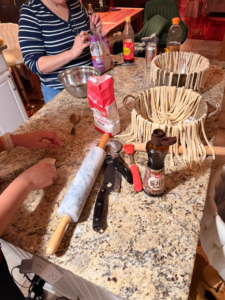
For decades, students in many schools took a class called home economics. It was a practical subject designed to teach everyday life skills—how to cook basic meals, manage a household budget, plan nutritious meals, sew simple clothing repairs, and care for a living space.
At the time, these skills were often considered ordinary parts of adulthood. The goal of home economics was simple: help people learn how to take care of themselves and their households in thoughtful, sustainable ways.
Over time, however, these classes slowly disappeared from many schools. As educational priorities shifted toward technology and standardized academic subjects, practical life skills became less common in formal education.
Today, many adults find themselves wishing they had learned more of these skills earlier. Cooking feels intimidating, budgeting can feel confusing, and maintaining healthy routines often requires learning through trial and error.
Yet the ideas behind home economics remain deeply relevant. In fact, they may be more valuable today than ever before.
What Home Economics Was Really About
Despite the name, home economics was never just about cooking or household chores. At its core, it was about managing everyday life wisely.
Students learned practical knowledge that helped them build independence and confidence. These lessons included:
- Preparing simple, nutritious meals
- Understanding ingredients and food safety
- Planning meals and grocery lists
- Managing personal finances
- Maintaining a comfortable living space
- Repairing basic household items
These skills helped people understand how daily choices affected health, finances, and wellbeing.
Rather than focusing on theory, home economics emphasized hands-on learning. Students practiced real tasks they would encounter in adulthood.
While the class may seem old-fashioned to some, its core purpose was surprisingly modern: helping people develop sustainable routines for everyday life.
Why These Skills Have Faded
Several factors contributed to the decline of home economics education.
First, modern lifestyles became faster and more convenience-driven. Ready-made meals, takeout, and packaged foods reduced the perceived need to cook from scratch.
Second, academic priorities shifted. Schools increasingly focused on preparing students for college and careers in technology, science, and business. Practical life skills were often viewed as less important.
Third, many people assumed these skills would naturally be learned at home. However, as families became busier and multigenerational households became less common, fewer opportunities existed to pass down these lessons informally.
The result is a generation of adults who often want to cook, organize their finances, or maintain healthy routines—but may not know where to begin.
Cooking: The Most Valuable Skill We Lost
Among all the skills taught in home economics, cooking may be the one that has changed the most.
In previous generations, preparing meals at home was a normal daily activity. Families relied on simple ingredients and traditional recipes that were passed down through relatives.
Cooking was not necessarily elaborate or time-consuming. Many dishes were simple, relying on basic techniques and familiar flavors.
Today, cooking often feels more complicated than it needs to be. Recipe websites, cooking shows, and social media can create the impression that meals must be elaborate or perfectly presented.
For beginners, this can be discouraging. Instead of feeling empowered, many people feel overwhelmed by the number of choices and techniques.
Yet the original spirit of home economics suggests a different approach: cooking should be accessible, practical, and adaptable to everyday life.
Cooking as a Life Skill, Not a Hobby
One of the reasons cooking feels difficult today is that it is often framed as a hobby or specialized skill.
Professional chefs, cooking competitions, and complex recipes dominate food media. While these can be inspiring, they can also make everyday cooking seem intimidating.
Home economics approached cooking differently. It treated cooking as a life skill, similar to budgeting or cleaning.
The goal was not perfection. Instead, students learned how to prepare a few reliable meals using basic ingredients and simple tools.
This mindset makes cooking far more approachable. A person does not need to master dozens of recipes to benefit from cooking at home. Even learning three or four dependable dishes can dramatically change daily routines.
The Connection Between Cooking and Wellbeing
Beyond practical benefits, cooking can also support mental wellbeing.
Preparing food engages multiple senses—touch, smell, sight, and taste. This sensory involvement encourages focus and presence in the moment, similar to mindfulness practices.
Simple kitchen tasks like chopping vegetables or stirring a pot can create a calming rhythm. These repetitive actions help the mind slow down after a busy day.
Cooking also creates a sense of accomplishment. Even a basic homemade meal provides tangible results from a short period of effort.
In a world where much work happens digitally and outcomes can feel abstract, this sense of completion can be surprisingly satisfying.
Relearning Skills Through Small Habits
One challenge adults face when learning life skills later in life is feeling that they should already know them.
This pressure can prevent people from starting.
However, research on habit formation suggests that small, consistent actions are the most effective way to build new routines.
For example, the habit-building principles described in Atomic Habits by James Clear emphasize starting with behaviors that are easy to repeat regularly. When a habit is practiced consistently for a couple of weeks, it begins to feel more natural and automatic.
This idea can apply to cooking as well.
Rather than attempting dramatic lifestyle changes, it can help to begin with a short commitment—such as preparing a few meals over the course of two weeks.
A defined challenge provides structure without creating overwhelming expectations.
Over time, small actions repeated consistently begin to form lasting habits.
Why Short Cooking Challenges Work
Structured cooking challenges are becoming increasingly popular because they remove many of the barriers that prevent people from cooking regularly.
Instead of expecting participants to cook every day, these programs often alternate between cooking days and reflection or preparation days.
This flexible structure allows participants to move at a comfortable pace while still developing a routine.
A fifteen-day challenge is particularly effective because it provides enough time for repetition without feeling overwhelming. Participants can experiment with new recipes, learn basic techniques, and observe how cooking affects their daily rhythm.
By the end of the challenge, many people discover that cooking no longer feels unfamiliar. The process becomes part of their routine.
One example of this approach can be found in The Wannabe Cook: 15-Day Wellness & Cooking Challenge, which combines simple cultural recipes with reflection prompts and wellness practices. Programs like this focus less on culinary perfection and more on helping people reconnect with everyday cooking.
Bringing Home Economics Back Into Daily Life
While formal home economics classes may be less common today, the principles behind them remain incredibly valuable.
Anyone can begin rebuilding these skills through small daily practices.
Cooking simple meals, planning groceries thoughtfully, and creating consistent routines can all contribute to a more balanced lifestyle.
These practices do not require expensive ingredients, specialized equipment, or advanced training. They simply require time, curiosity, and patience.
In many ways, the philosophy of home economics aligns closely with modern ideas about slow living and mindful habits.
Both emphasize the importance of intentional choices in everyday life.
A Modern Interpretation of an Old Idea
The disappearance of home economics from schools does not mean the skills themselves have lost their value.
If anything, the challenges of modern life—busy schedules, constant digital distractions, and information overload—make practical life skills even more important.
Learning to cook, manage routines, and care for one’s environment provides a sense of stability and independence.
These skills also reconnect people with traditions and cultural practices that might otherwise be lost.
By reintroducing small rituals like cooking at home, people can rediscover the satisfaction of creating something meaningful from simple ingredients.
Sometimes the most powerful changes begin with the simplest actions.
A meal prepared in your own kitchen may not seem like a major achievement, but it represents something deeper: the ability to care for yourself, slow down, and reconnect with everyday life.