
I nursed my babies exclusively, in large part because I didn’t want to have to deal with the headaches of bottle feeding, in large part washing and cleaning the bottles after use. To save energy, many people use a dishwasher to clean their baby bottles. But is it safe? Read on. While dishwashers can be a huge time saver for exhausted parents, there are still important things to know about cleaning bottles properly to keep them safe for your baby.
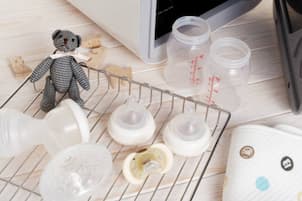
Parenting can be a cycle of feeding and cleaning that seems to go on and on, and many parents might get tired of using any shortcut without sacrificing safety and cleanliness. Washing a baby bottle is a daily activity when you have a newborn— even for drinking water, preparing a meal, and feeding your baby. To guarantee safety, make sure to ask, “can you wash bottles in the dishwasher”? Nonetheless, the dishwasher is an efficient appliance in the kitchen; the baby gear needs a certain level of cleanliness and precautions to prevent the possibility of any harmful bacteria or chemical remnants.
Knowing how your dishwasher works, as well as the mechanics of your dishwasher and the material limits of the feeding equipment of your baby, will make your cleaning schedule less stressful. When properly done, machine washing can offer a high-heat deep cleaning that is hard to achieve in a normal sink. This guide can help you decide the safest, most effective method to keep your bottles clean and in decent condition to use by knowing the correct settings, benefits, risks, and alternatives.
Can You Wash Bottles in the Dishwasher Safely
Many producers provide dishwasher-safe labels on their bottles, and it is safe to wash them in the dishwasher. A majority of the modern bottles are engineered to withstand dishwasher heat and pressure of water, yet incorrect placement or use of high-heat software may result in wear.
1. Heat Tolerance
The dishwasher can be used to clean at high temperatures. Although this is excellent at killing germs, it may result in the leakage of chemicals by low-quality plastics that may not be BPA-free.
2. Detergent Choice
Most of the usual dishwasher pods usually include hard chemicals or smells. Washing of the baby items is best with a light-smelling detergent that does not have any fragrance to avoid antagonizing the delicate system of the baby.
3. Guidelines from Manufacturer
Check the safety symbol of your appliance, which can be found at the bottom. Certain ornamental prints or certain anti-colic valves should not be subjected to high temperatures that could ruin them.
Types of Bottles Suitable for Dishwasher Cleaning
The reaction of dishwasher cleaning does not work the same on all bottles. The first step of avoiding warped parts or broken glass is to know what you are loading.
1. Glass Bottles
These are the most dishwasher-friendly. Glass is non-porous and is able to endure very high temperatures without any threat of leaching of any chemicals. However, they can break easily when clinging to other dishes.
2. Silicone Bottles
Silicone of all quality, food grade, is highly heat-resistant and durable. It cleans the dishwasher quite well, but at times it carries the smell of strongly scented washing agents or food traces from other dishes.
3. BPA-Free Plastic
BPA-free and plastic bottles are mostly polypropylene, which is hard and heat-resistant. Nevertheless, plastic may turn cloudy after some time because dishwasher salt and detergents are abrasive.
In cleaning baby bottles with more than one part, the modules, such as the Momcozy bottle washer machine, may particularly come in handy in terms of cleaning small areas of the bottle, including nipples, rings, and valves.
How to Prepare Bottles for Dishwasher Washing
You cannot just put the whole bottle in the dishwasher and expect it to be clean. To guarantee cleanliness, you must do proper preparation to make sure that hot water touches all the surfaces where the milk residue may be present.
Completely Disassembly
Dismantle the parts of baby bottles. Separate the collar, nipple, and the bottle from each other. When the bottle is not taken apart, the residue of the milk will be left out, causing the molds to grow.
Rinse Firstly
Using tap water, always rinse the bottle immediately after feeding. This will prevent milk proteins from solidifying on the surface when the heating cycle begins.
Collect the Parts
Since the other parts are too small, put them all together in one container to avoid misplacing them.
Best Dishwasher Settings for Washing Bottles
The correct cycle settings are necessary to make the bottles as sterile as possible.
Hot Water Cycle
The cycle should be at least 140°F (60°C). This temperature is required to decompose fatty milk residues and counteract the common bacteria.
Heated Dry
Humid conditions cause bacteria to multiply, so the warm-dry option is the best way to make sure that bottles emerge completely dry and fit to store.
Top Rack Only
The heating component on most dishwashers is at the bottom, regardless of the fact that a bottle may be dishwasher-safe.
Benefits and Risks of Dishwasher Bottle Cleaning
There must always be trade-offs between using the dishwasher. The comparison of these can make you choose whether this is the right step to take in your family.
Benefits:
- The continuous high temperature of a dishwasher can easily be more effective at destroying germs.
- It will enable you to wash a high volume of bottles simultaneously, so that you will have a chance to play with your baby or have some rest.
- A machine offers a predictable form of agitation and heat, which could not be available in manual washing.
Risks:
- Washing aids and detergents occasionally deposit a thin coating on the bottles that are used in the dishwasher.
- Overuse of the dishwasher might reduce the lifecycle of plastic bottles and nipples.
- Prone to cross-contamination. When you wash bottles with both plates with spaghetti sauce together, and greasy pans, there may be a slight lining of grease on the bottles.
Alternative Ways to Wash Bottles Without Dishwasher
In case there is no dishwasher, below are some of effective alternatives:
- A warm water and dishwasher with a bottle brush.
- Boiling (in case of heat-safe bottles for babies, when necessary).
- Specialized machine washers of deep wells.
- Air drying on a clean rack.
Washing of hands enables more control, particularly when dealing with delicate or insulated bottles.
Final Thoughts
Washing bottles in the dishwasher does not have to be complicated. When the bottle is dishwasher safe and cleaned using the proper settings and position. Dishwashers are a great and efficient system that is applicable to eliminate residues and bacteria; however, it is more effective with proper preparation and light cycles. In more fragile or less identified bottles, hand washing or other forms of cleaning can prove more effective.
Knowing the content and washing directions of your bottle will enable you to select the cleaning process that will keep your bottles safe, clean, and the material in good condition, so that they can be used over the long run.