A friend and I were having a discussion about my being my authentic self, and whether it is too much for people. For me, as someone with complex trauma, and with a fawning response as a result of that, it’s a constant battle, because I want people to like me, but then if they like the me that I put on, they aren’t actually liking the real me.
Over the years I am getting more confident in showing my real self to the world, which is why I post about my various mental health issues, because “those who mind don’t matter and those who matter, don’t mind.” But it’s a lonely road to walk, because in discovering who your true friends are, you learn how many people drift away when you become your authentic self.
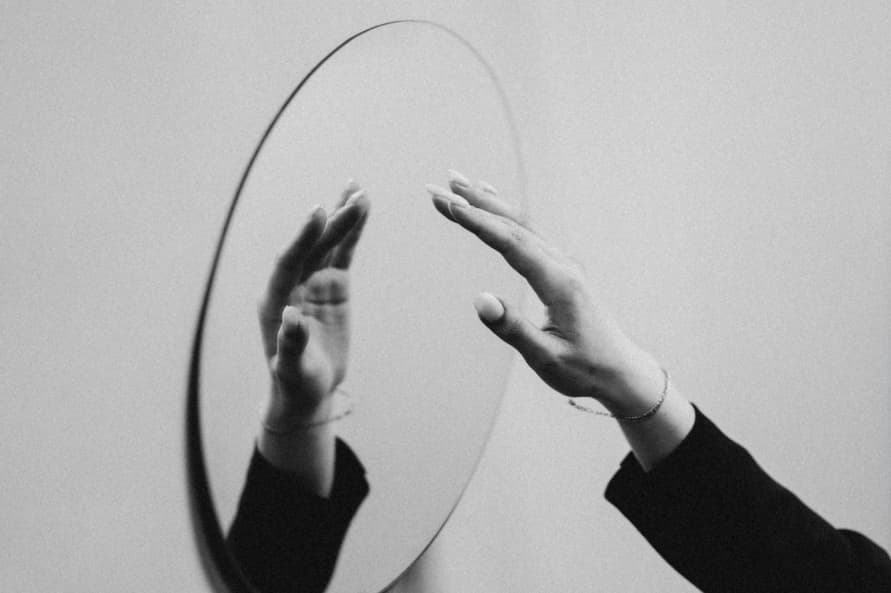
Imagine a world where you trust yourself with every word you say. A world where you are firm in your choices because they stem from you. In it, the human you see in the mirror is the same one you present to others, unapologetically. That’s what being yourself means. We go through life where the only person like ourselves is already living in our skin, but we shy away from it.
It can repeat for years while we’re going through therapy for childhood trauma or bullying and find out the roots of this. Many factors make us so hesitant to reveal who we are and what we think — some of these are our own, and others were brought into this world by others. But what are they, and how do they work? Let’s look into it.
How Society Shapes This Fear
As hardly the strongest or the largest animal on this planet, we had little choice but to use our minds and stay in groups. Evolutionary, it has taught us that being a part of a collective means safety. Today, we often yearn for acceptance, which prevents us from speaking our minds or acting unconventionally. Many people who have shared their experiences after searching “What is Liven?” on social media admit that they try to maintain the idealized image of themselves. Even culturally, we adhere to norms guiding us, and breaking some of them can throw us into a cold sweat.
Here are just a few examples in which we behave like someone else and don’t even recognize it:
- We go through social rituals such as smiling or participating in small talk
- We stay in contact with those we don’t like
- We dress according to social norms
- We filter our language around specific individuals.
Regardless of whether it is good or bad, it teaches us to conform.
Rejection: The Ultimate Fear
While being accepted is one of our greatest desires, being rejected or mocked is our greatest source of dread. This dread and the subsequent conformity can appear because of various reasons:
Our Low Self-Esteem
Whether you have always felt bad about yourself or someone made you insecure, you feel like you don’t deserve to be loved. Social media threads are filled with people who confess: “If they see what I am really like, they won’t love me anymore.” This is often rooted in shame or guilt that someone has “gifted” to us.
Unwanted Loneliness or Isolation
There are times in life when we are unwillingly put in isolation, with no one to keep us company. It can be a move, a switch of jobs, or even something more traumatic, such as losing one’s support network due to conflicts or public rejection. We might unintentionally try to fill in this void by being too agreeable. No one wants to feel lonely, and this is our attempt to be understood again.
Past Experiences
We all have those unpleasant past relationships that made us feel inferior. This is something that we may carry with us for a long time, even spending years on therapy or reliving the painful moments that have ingrained themselves into our memory. Someone had a toxic partner or parents who made them always walk on eggshells to avoid conflicts. Others have cultivated a persona of being popular, quiet, or likable for so long that daring to be someone else feels impossible.
Mask As a Survival Mechanism
We have already discussed the role of survival in our behaviors, but let’s delve into how we form masks and why they become our new identity.
Masks don’t just appear out of thin air. First, it’s a minor slip after slip in which we trade something (like our loud laughter, or our anger after being wronged, or our favorite old sweater) for something more acceptable. Then, there’s another one. It’s a gradual transformation, like a moss slowly growing on a tree. Little by little, we start editing ourselves.
It’s a false self, a persona we turn into to gain the approval of others. Sometimes, we even wear different masks for different people — we can be one individual with our friends, another one with our colleagues, and someone else with our family. It’s a clever strategy, but it can grow too all-encompassing. Over time, these masks become so well-worn that we start to believe they are our true selves.
That is why, over time, we often forget who we are, especially if we spend less time alone than with others. We aren’t always fake, of course, but it’s rarely the entirely genuine version of us.
We Pay for Not Being Ourselves
Even though we gain some benefits from being liked by the majority, we also pay dearly for losing our honest selves. Here’s what we face:
- Emotional exhaustion from performing
- Anxiety and depression from hiding our feelings
- Emptiness due to not fulfilling our own desires
- Always saying “yes” and ignoring boundaries
- Feeling unseen even in close relationships
- Losing motivation to do anything
- Disconnecting from oneself.
Conclusion
Sometimes, people don’t always appreciate your honesty, which can make your true self hide. It gets scary, and it’s understandable. Being agreeable and pleasant to everyone around us makes us feel liked. However, we are liked and not loved. Not until those close to us finally get to meet us as we are. Allow yourself to hope and expect the best from the world because there’s only one You. And to see this person? Well, that might be quite an honor.