
Nothing like a lovable stuffed animal for your kid. But there are safety risks with these. Here are some suggestions on how to safely pick the best stuffed animal plushies for your kids while keeping frugality in mind.
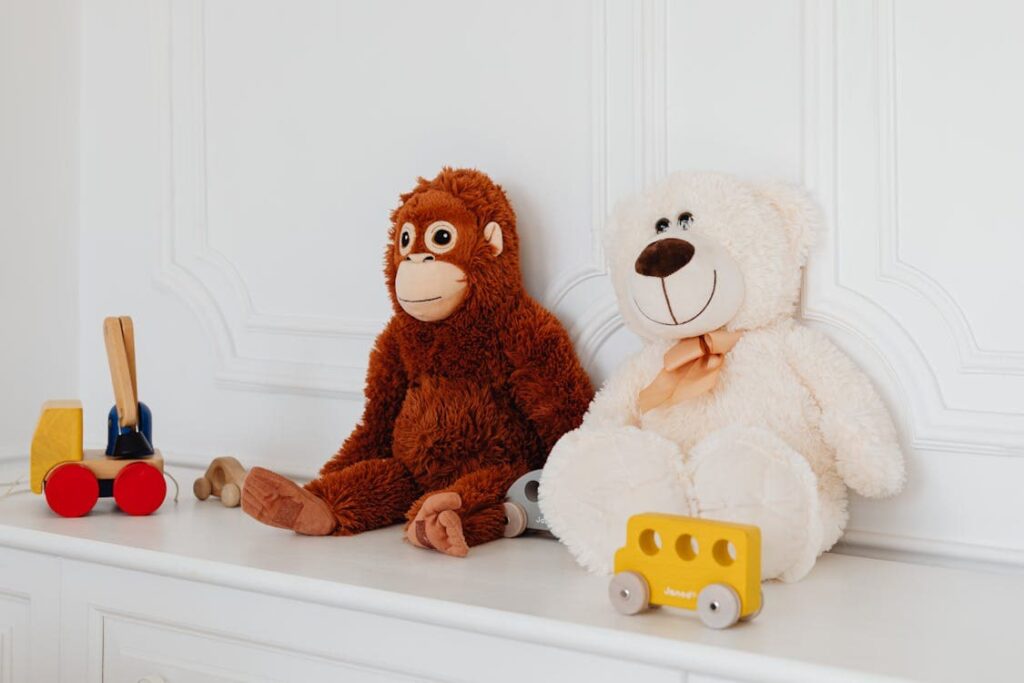
A child clutches a soft bear during bedtime. The toy brings comfort after a long day. Parents watch with a mix of joy and concern over hidden risks.
Families face extra worries when allergies or health issues play a role. Safe plush toys ease those fears. Retailers such as Hugglemoo stock plush toys from brands that prioritize these safety features. Parents can find options that last through rough play and washes.
Understanding Materials and Fillings
Plush toys start with their core stuff. Fillings like polyester fiberfill hold shape well. They resist clumping after machine washes.
Natural options such as cotton appeal to some buyers. Yet they may trap dust more than synthetics do. For allergy-prone kids, choose fillings labeled as hypoallergenic.
Look for smooth fabrics on the outside. Velveteen or short-pile fur cuts down on snags. These materials stay soft without loose threads.
Parents often pick based on touch first. A quick fabric check reveals quality. Dense weaves mean fewer spots for germs to hide.
- Test the seam strength by gentle tugs.
- Avoid toys with rough edges that irritate skin.
- Seek out options free from added scents.
Such choices keep playtime gentle on sensitive systems. Durable materials save money over time too. One good toy outlasts several cheap ones.
Safety Certifications and Standards
Every plush toy carries labels for a reason. They signal compliance with set rules. The ASTM F963 standard covers toys for kids under 14 years old.
This test checks for sharp points and flammability. It ensures fillings won’t ignite fast. Parents spot the mark on packaging or tags.
A Children’s Product Certificate backs up claims. Manufacturers issue these after lab tests. They prove the toy meets federal limits on lead and phthalates.
Skip items without clear markings. Vague “safe” words lack weight. Certified toys reduce choke risks from small bits.
Buyers check online databases for recalls. Government sites list problem products quick. This step prevents bringing home hazards.
Standards evolve with new research. Recent updates tighten rules on magnets and batteries. Stay current to pick the best.
These marks build trust in a toy’s build. Families gain peace from verified safety. It ties right into smart spending on reliable goods.
Size and Durability for Everyday Play
Big plush toys suit toddlers best. They fill arms without small parts to swallow. Sizes over 12 inches cut most risks.
Smaller ones work for older kids. They fit shelves and travel bags easyil. Yet test for loose eyes or noses first.
Durability shows in stitch quality. Double seams hold up to tugs and drops. Thick threads resist pulls from eager hands.
Frugal parents should eye toys that grow with children. A versatile bear serves from crib to school years. This cuts repeat buys.
Weighted options add calm for some. They mimic hugs without bulk. Check fill for even spread to avoid lumps.
Handle the toy in the store if possible. Squeeze to feel the firmness inside. A solid build promises months of use.
Right size matches active lifestyles. It supports budget goals too. One sturdy piece beats many fragile ones.
Cleaning and Maintenance Routines
Dirt builds fast on plush surfaces. Regular spot cleans keep them fresh. Use mild soap and cool water for quick wipes.
Machine washing suits most labels. Follow care tags to avoid shrinkage. Air dry prevents fabric wear over time.
For deeper cleans, a bleach solution works. Mix one part bleach with ten parts water. Rinse well to remove traces.
Dryer sheets cut static in fur. They make brushing simpler after washes. This step keeps the toy fluffier longer.
Store clean toys in open bins. Closed bags trap moisture and smells. Good habits stop mold in damp spots.
Weekly checks spot wear early. Mend small rips before they grow. Simple fixes extend a toy’s life span.
Easy care fits busy homes with health needs. It aligns with allergy controls too. Clean toys mean fewer triggers around.
Age-Appropriate Features for Growth
Kids change fast as they grow. Toys need to match those shifts. For babies under one year, pick simple designs without small add-ons. These avoid mouth risks during teething. Soft shapes encourage safe grips. Parents see quick bonds form with basic forms.
Toddlers from one to three love interactive bits. Squeakers or crinkles add sounds yet ensure parts stay fixed to prevent pulls.
Older children up to five crave details like outfits. Removable clothes teach dressing skills. Check snaps for secure holds.
School-age kids seek companions for stories. Larger sizes fit reading laps. Durable builds handle school bag trips.
Match features to motor skills. Early ones build fine touch. Later picks spark imagination play.
This approach saves on upgrades. One toy adapts over years. Families stretch budgets with smart stages.
Spotting and Avoiding Common Hazards
Plush toys hide risks in plain sight. Choking tops the list from loose bits. Inspect eyes and noses for tight glue.
Strangulation comes next with long cords. Skip any with ribbons over six inches. Short tags stay safe for tugs.
Flame risks lurk in synthetic furs. Look for labels on slow burn rates. Natural blends often fare better.
Allergies trigger from dyes or dust. Unlabeled colors raise flags. Opt for tested hypo options.
Bacterial growth follows poor washes. Mildew shows in damp storage. Dry spots prevent that buildup.
Regular exams catch issues early. A weekly once-over spots frays. Quick trims keep things sound.
Awareness turns play secure. Parents spot dangers before they strike. Safe homes mean more carefree fun.
Budget-Friendly Tips for Lasting Value
Cost matters in tight budgets. Start with multi-use designs. A basic animal stuffie serves dress-up or bed buddy roles.
Shop end-of-season sales for deals. Certified brands drop prices then. Stock up on timeless picks.
Hand-me-downs work if cleaned right. Family swaps cut new buys. Test old ones for wear first.
Online reviews guide smart spends. Real parent notes flag duds. Balance stars with safety mentions.
Bulk packs suit siblings. Shared themes build group play. Divide costs for even savings.
Repair kits extend life spans. Needle and thread fix seams cheap. This beats full replaces.
Value comes from longevity. Safe choices pay off long term. Frugal picks bring years of joy.
Finding the Perfect Match for Your Child
Each kid bonds with toys in unique ways. Observe play styles to guide picks. Active ones need tough builds.
Quiet readers pair well with soft companions. These provide lap comfort during stories. Match texture to touch preferences.
Health factors shape choices too. Asthma families lean toward washable picks. They cut dust buildup in bedrooms.
Budget plays a role in decisions. Look for sales on certified brands. Versatile designs serve multiple ages.
Involve kids in the selection process. Let them feel options under supervision. This builds excitement without risks.
Final picks balance fun and function. They support growth through safe snuggles. Parents rest easy with thoughtful buys.
Safe plush toys foster happy routines. Start with label checks and material feels. Your family gains joy from plays that last. These steps ensure comfort without worry.