Once upon a time, in what feels like another lifetime, I used cloth toilet paper, aka family cloth, and wrote about it here on this blog, causing such a stir. That part of my life is long since gone, but I do appreciate sustainability, even if that isn’t a number one priority in my life now. Bamboo toilet paper is one way that people can be sustainable without making extra work for themselves. Learn more about it here.
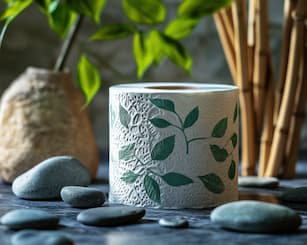
Most people have switched to plastic-free straws, tried reusable bags, and purchased energy-saving bulbs. Yet the bathroom often stays overlooked. Traditional toilet paper relies on tree pulp and bleaching chemicals that harm forests and pollute waterways. Many brands now claim to be ‘green,’ but few offer true environmental value or transparency.
Bamboo toilet paper is changing that. Bamboo grows quickly, uses minimal water, and doesn’t require replanting. It’s soft, strong, and naturally antibacterial. This small shift in daily habits can help reduce deforestation without compromising comfort. A few companies are leading this change with products that prove sustainability and performance can coexist. Here are five brands showing why bamboo toilet paper really is the future.
1. SaveTrees
SaveTrees takes bamboo toilet paper beyond marketing slogans. Every roll comes from responsibly managed, FSC-certified bamboo farms. The process avoids chlorine and fragrances, using cleaner methods that protect the skin and the environment.
Formerly known as Cloud Paper, SaveTrees produces soft, strong, and toxin-free toilet paper made from 100% bamboo. Each three-ply roll contains about 300 sheets; choosing tree-free paper like this could help prevent millions of trees from being cut down each year. Also, the texture feels soft but holds together well, even for multi-ply use.
Each roll arrives in paper-based, 100% plastic-free packaging that can be recycled or composted. Shipping is carbon neutral, and the company publicly tracks its emissions and sourcing methods.
Pros
- Verified supply chain and measurable carbon offsets
- Compostable wrapping with no plastic
- Durable yet gentle on skin
Con
- Slightly higher cost than mass-market brands
SaveTrees doesn’t just sell eco-friendly rolls. It treats production as a regenerative system that raises sustainability standards for everyday goods.
2. Who Gives a Crap
Who Gives a Crap made eco-conscious toilet paper feel fun and accessible. The brand offers both bamboo and recycled lines, donating half of its profits to global sanitation projects.
Each roll is wrapped in colorful paper, making even basic household restocks feel cheerful. The bamboo option feels softer than recycled versions while still being biodegradable and strong.
Pros
- Major funding for sanitation projects
- Bright, recyclable packaging
- Widely available and affordable
Cons
- Some products still use recycled paper instead of bamboo
- Less transparency on sourcing details
Who Gives a Crap brought sustainability into mainstream homes. Compared to other brands, it emphasizes social good and accessibility more than production transparency.
3. Reel Paper
Reel Paper approaches bamboo toilet paper through design simplicity. The brand favors muted tones and clean packaging that fit minimalist homes. Each roll is made from 100% bamboo fiber, with no added dyes or inks. The texture strikes a balance between softness and durability, making it a solid everyday option.
Reel Paper supports reforestation programs and ships products in a carbon-neutral manner.
Pros
- Compostable, plastic-free packaging
- Smooth, clean texture
- Subtle design that suits modern interiors
Con
- Slightly thinner rolls than some competitors
Reel Paper speaks to those who prefer quiet sustainability. Its clean design and mindful packaging fit seamlessly into a sustainable lifestyle. It doesn’t flaunt impact metrics, but its balanced quality makes it a steady choice for eco-conscious households.
4. Betterway
Betterway utilizes bamboo and embossing technology to produce softer, thicker toilet paper without the use of additives. Each roll dissolves quickly in water, making it safe for septic systems and low-flow toilets. The product’s comfort level stands out, even for those switching from premium tree-based brands.
The company reduces packaging waste, choosing recycled boxes and paper instead of plastic.
Pros
- Micro-embossed texture feels luxuriously soft
- Safe for plumbing and septic systems
- Fully plastic-free packaging
Con
- Slightly higher water use during manufacturing
Betterway focuses on comfort and shows that bamboo toilet paper can match top traditional brands. While other brands may lead in measurable sustainability, Betterway wins with tactile comfort.
5. Bim Bam Boo
Bim Bam Boo focuses on both personal health and environmental care. Its toilet paper uses pH-balanced bamboo pulp designed for sensitive skin. It’s dermatologist-tested, BPA-free, and free from chemicals like formaldehyde or dyes. Also, the company uses gentle materials, appealing to users who prefer cleaner ingredients near the skin.
The rolls come in soft pastel wrappers that can be recycled or composted.
Pros
- Certified hypoallergenic and safe for daily use
- Biodegradable and sustainable bamboo source
- Thoughtful packaging that complements its purpose
Con
- Smaller rolls and higher cost per unit
Bim Bam Boo proves that bamboo toilet paper isn’t just for the planet. It helps users with sensitivities find an option that feels soft and chemical-free.
To Conclude
Bamboo is transforming more than paper. Its fibers now support bioplastics, packaging, and fabric production, replacing materials that damage ecosystems. As traceability and carbon labeling become more common, buyers can see exactly where each roll comes from and what impact it helps avoid.
Choosing bamboo toilet paper reflects a change in values. It demonstrates that everyday comfort and environmental care can coexist. The five brands featured in this list lead this shift, helping a small, simple purchase stand for something much larger.