
I didn’t have comprehensive insurance on my car, and when I got into a car accident, I ended up needing to pay a lot of money, despite it not being my fault. Comprehensive insurance, though it costs more money, is a good idea in many cases. Here are some situations when comprehensive car insurance makes sense.
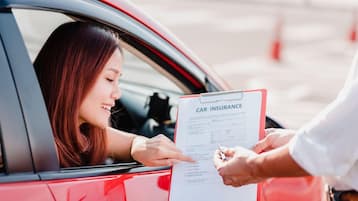
If you own a car in India, or anywhere else, you already know insurance is not just a good thing to have. At the very least, the law expects you to carry third party car insurance to legally drive on public roads. But the real question facing most owners is: should you stop at the legal minimum, or pay extra for comprehensive insurance?
The answer is not one-size-fits-all. Comprehensive cover makes the most sense when the financial hit from repairing or replacing your own car would sting, or when your day-to-day driving life is full of “small risks” that add up.
Let’s break it down in a clear, decision-friendly way in this article.
People and Cars That Benefit Most From Comprehensive Insurance
If your situation matches one or more of the scenarios below, comprehensive insurance is usually the safer, more sensible choice.
New Or High-Value Cars
When a car is new, even minor damage can lead to surprisingly high repair bills. Modern bumpers, sensors, headlights, and body panels are expensive, and authorised workshop repairs can quickly climb. In such cases, comprehensive insurance helps you avoid paying most costs out of pocket when an insured event occurs.
It also matters emotionally: new-car owners tend to repair rather than “adjust and ignore,” which means you are more likely to claim when something goes wrong.
Cars Bought on Loan or Under Hypothecation
If your car is financed, you are paying EMIs regardless of what happens to the vehicle. A serious accident, theft, or total loss can turn into a double burden: you lose the car and still have to repay the loan.
While policy details vary, comprehensive insurance is often the baseline protection that helps you handle larger loss situations more smoothly than third-party cover alone.
Daily Commuters in Heavy Traffic
If you drive frequently in city traffic, the risk is less about one dramatic accident and more about repeated, annoying incidents:
- bumper scrapes in stop-start traffic
- side-swipes in tight lanes
- dents from careless parking by neighbours
- windshield chips from road debris
These are exactly the real-life situations where comprehensive cover proves its value over time, especially when paired with the right add-ons.
Parking Outdoors, in Shared Lots, or on the Street
If your car is parked outside most days, you are exposed to more “non-driving” risks: falling branches, vandalism, waterlogging during sudden rains, or theft attempts. Comprehensive insurance is designed to respond to many such insured events, whereas third-party cover does not pay to fix your own car.
Areas With Monsoon Flooding or Theft Risk
Some locations exhibit predictable patterns: waterlogging during monsoon months, basement parking flooding, or higher theft rates. If these risks feel familiar where you live or work, comprehensive insurance becomes less of a luxury and more of a financial shield.
First-Time Drivers or Multi-Driver Families
If multiple people drive the same car, the probability of mishaps naturally rises. New drivers also take time to build judgment for tight turns, blind spots, and distance estimation. In these cases, comprehensive insurance helps reduce the “first few mistakes are expensive” effect.
Add-on Covers That Make Comprehensive Insurance Work Harder
Comprehensive insurance is a base. The real tailoring happens through add-on covers, which you select depending on how you drive, where you live, and what you worry about.
Zero Depreciation Policy
A zero depreciation policy (also called nil depreciation or bumper-to-bumper) is an add-on that helps reduce depreciation deductions on replaced parts during claims, so the payout can be higher for eligible repairs.
This add-on is often considered when:
- The car is new or has costly parts
- You want fewer surprises in repair bills after an accident
- You prefer replacing damaged parts rather than repairing them
Claim Settlement: What to Check Before You Buy
Many people compare premiums and stop there. In reality, the day you need the policy, your experience depends heavily on claim settlement quality, not just coverage promises.
Before buying or renewing, check for:
- Cashless garage network access if you prefer not to pay upfront and wait for reimbursement
- Clear documentation expectations and a clean, transparent process for surveys and approvals
- Policy wording on exclusions and claim conditions, so you know what can lead to deductions or disputes
- Service standards and timelines, since regulators have pushed for fairer and faster handling of motor claims across the industry
Conclusion
Comprehensive insurance is worth it when your car is valuable to you financially or emotionally, and when daily driving or parking risks are hard to avoid. If a major repair bill or theft would disrupt your plans, the extra cover and the right add-on covers can be a sensible safeguard. If your car is older and you use it infrequently, third-party car insurance may be enough, as long as you accept the limits.