
Birth is a beautiful time, but it can also be risky. Birth injuries unfortunately are too common, and they can carry a lifetime of repercussions. Here’s some more information about birth injuries, what can be done to prevent them, and what you can do if your child is unfortunately had one.
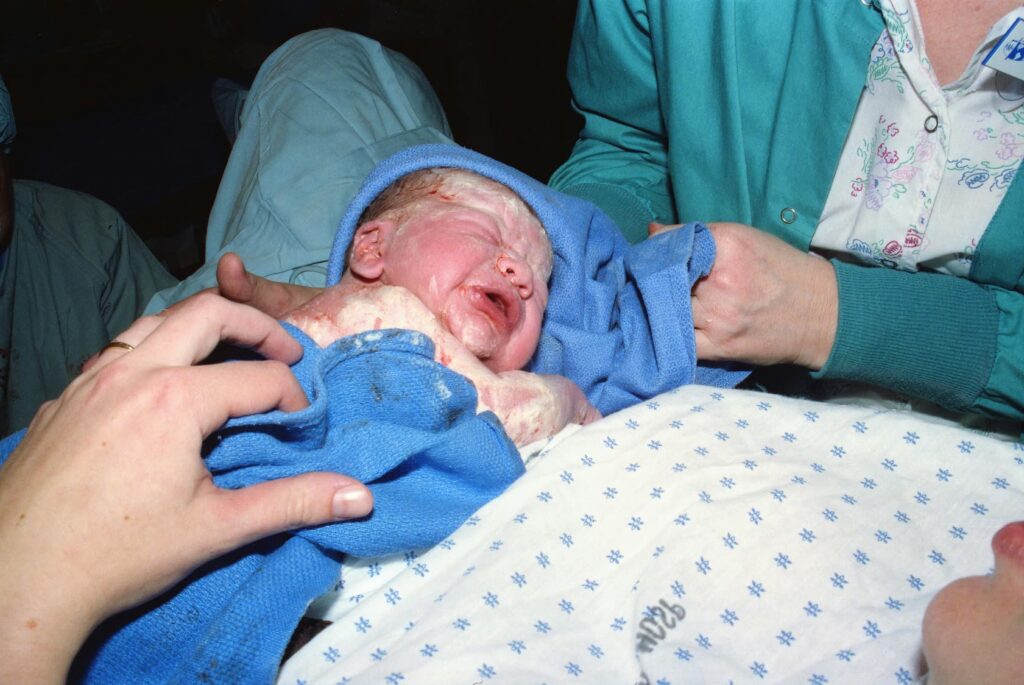
Childbirth rarely unfolds the way people imagine it. Labor runs long. Instructions change midstream. Machines chirp and buzz while decisions are made faster than anyone feels ready for.
Most families leave exhausted but relieved. Some don’t.
A birth injury can be obvious from the start, delivered alongside the baby’s first medical chart. Other times, it creeps in quietly. A delay here. A missed milestone there. Suddenly, your calendar is packed with appointments you never expected to keep. Along with the fear and fatigue comes the uncomfortable math of it all: missed work, therapy copays, specialists, and equipment you had never heard of before becoming a parent.
When questions start piling up, parents start looking for answers wherever they can. That might mean pressing doctors for clearer explanations, seeking a second opinion, or, when things still feel unresolved, speaking with a birth injury lawyer to understand whether support or compensation is even an option.
No one wants to be in that position. Still, knowing how birth injuries happen and what increases the risk can help parents make sense of what they are dealing with and decide how to protect their family moving forward.
Common Causes of Birth Injuries
Birth injuries are rarely tied to a single dramatic mistake. More often, they grow out of small decisions made under pressure. Missed warning signs. Delayed responses. Tools used when time is already tight.
Prolonged or difficult labor is one of the most common contributors. When labor drags on and a baby shows signs of distress, oxygen levels can drop quickly. Even short interruptions can have lasting effects if action is delayed.
Assisted deliveries are another area where injuries sometimes occur. Forceps and vacuum extractors can be helpful in certain situations, but when used incorrectly or at the wrong moment, they can cause nerve damage, skull injuries, or bleeding in the brain.
Delayed C-sections appear frequently in birth injury cases as well. Surgery may be clearly indicated, but hesitation, staffing shortages, or miscommunication can slow the decision. When intervention comes too late, the consequences can follow a child for life.
Monitoring failures round out the picture. Fetal heart rate monitoring is meant to catch trouble early, but warnings can be missed or misread, especially in busy or understaffed labor units. When information fails to move quickly and clearly, the margin for error shrinks.
None of this means every complication points to negligence. Birth is unpredictable. Still, understanding these patterns helps parents separate unavoidable outcomes from situations where better care may have changed the result.
Risk Factors Parents Should Be Aware Of
Some births carry more risk from the start, even when everyone involved is attentive and experienced. Knowing which factors tend to raise the odds of complications can help parents stay alert without slipping into panic.
Certain maternal health conditions increase the likelihood of birth injuries. High blood pressure, diabetes, infections, and obesity can all affect how labor progresses and how well a baby tolerates it. These conditions do not guarantee problems, but they do require closer monitoring.
Premature birth and high birth weight sit at opposite ends of the spectrum, yet both can complicate delivery. Very small babies are more fragile. Larger babies may struggle to move safely through the birth canal, increasing the risk of shoulder injuries or oxygen deprivation.
Prenatal care matters. Missed appointments, delayed tests, or gaps in communication between providers can leave risk factors unnoticed until labor is already underway.
Hospital conditions matter more than many parents realize. Overworked staff, short-handed units, or unclear lines of responsibility can slow critical decisions. When communication breaks down, problems escalate faster than they should.
Awareness is not about blame. It is about staying informed, trusting your instincts, and recognizing when a situation deserves closer attention.
Can Birth Injuries Be Prevented?
Prevention during childbirth does not mean controlling every outcome. It means reducing avoidable risk and responding quickly when warning signs appear.
Consistent prenatal care lays the foundation. Regular visits, timely ultrasounds, and open conversations about health conditions allow providers to plan ahead rather than scramble during labor. When circumstances change late in pregnancy, updated assessments matter.
During labor, communication becomes essential. Parents who feel comfortable asking why an intervention is being suggested or delayed are better equipped to understand what is happening in real time. This is not about challenging every decision. It is about expecting clarity.
Fetal monitoring also plays a major role. Heart rate patterns often signal distress before a crisis becomes obvious. When those signals are overlooked or misunderstood, opportunities to intervene safely disappear.
It helps to stay flexible. Birth plans can be useful, but they shouldn’t outweigh what’s happening in the room. Being willing to pivot, whether that means assisted delivery or a C-section when it’s medically indicated, can reduce the risk that comes from waiting too long.
Even with attentive care, some injuries cannot be prevented. Many others stem from moments where quicker action or better communication could have altered the outcome.
The Financial Impact on Families
The financial fallout of a birth injury often sneaks up on families. At first, it looks like a few extra appointments. Then it turns into a calendar that feels impossible to manage.
Therapy sessions stack up. Specialists want follow-ups. Someone requests another evaluation for “baseline data.” Insurance may cover the big-ticket items, but the smaller costs keep coming: copays, parking, gas, missed work, childcare for siblings, and prescriptions that somehow still cost more than expected.
Some expenses are obvious. Others unfold slowly. Equipment that fit last year no longer works. School support becomes necessary. One parent may scale back work or leave a job entirely just to keep up with care demands. Lost income often outweighs the medical bills themselves.
Understanding the long-term picture helps. Developmental and physical challenges can evolve as children grow, changing the type and level of support they need. The CDC’s overview of developmental disabilities offers a useful starting point for seeing how these needs often shift over time.
None of this reflects poor planning or bad budgeting. It reflects a system that places heavy financial demands on families at the exact moment they are already stretched thin.
Legal Options for Parents
For many families, the question that won’t go away is a tough one: could this have been prevented?
Not every difficult birth points to malpractice. Childbirth is unpredictable, and complications happen even with good care. Still, some situations raise eyebrows, especially when warning signs were there. Maybe fetal distress showed up, and no one acted quickly. Maybe the monitoring strips were read wrong. Maybe a C-section was delayed without a solid explanation. Sometimes tools used during delivery leave injuries that simply shouldn’t happen.
When families think about legal action, it’s rarely about revenge. It’s about the realities ahead. Long-term care can mean years of therapy, school supports, home changes, and ongoing medical needs. If mistakes played a role, compensation may help cover the costs that would otherwise land on the family’s shoulders.
The process often starts with gathering information. Medical records. Personal notes. Questions asked while memories are still fresh. Some parents seek second opinions to better understand what falls within normal complications and what does not.
A legal consultation helps clarify whether a situation meets the standard for negligence, what timelines apply, and what pursuing a case would involve. Some families move forward. Others decide not to. Either way, understanding the landscape allows decisions to rest on facts rather than guilt or uncertainty.
Legal options cannot change the past. They can, however, affect what the future looks like for a child who will need support for years to come.
Practical Next Steps for Parents
Life after a birth injury rarely comes with a clear checklist. Decisions happen between appointments, late at night, or halfway through conversations you were not prepared to have.
Start by collecting records. Request full prenatal, labor, and delivery documentation, along with monitoring data and discharge notes. Keep your own timeline alongside them. Dates, names, conversations, and lingering questions matter more than people expect.
Watch your child’s development with care, not comparison. Progress is rarely linear. Patterns over time tell a clearer story than any single milestone. If concerns linger, push for referrals rather than reassurance. Early intervention often opens doors that close later.
Connecting with other parents can make a real difference. Support groups, advocacy organizations, and safety-focused resources often offer practical insight that doesn’t always come from professionals. Reading about how parents can avoid injuries when handling children with disabilities can also spark practical changes that make daily care safer and more manageable.
You don’t have to know exactly what caused the injury to take smart, steady steps. This is about gathering information, keeping things organized, and giving yourself a bit more footing in a situation that can feel shaky from one day to the next.
A Steadier Way Forward
No one plans for a birth injury. It reshapes the story parents expect to tell and replaces it with decisions that feel far too big for the amount of sleep anyone is getting.
What helps most, over time, is clarity. Understanding which risks were inherent and which deserved better care. Seeing the financial reality clearly instead of discovering it bill by bill. Knowing where support exists.
Information does not solve everything. It does give parents something solid to stand on. It sharpens instincts. It makes conversations with doctors more productive. It opens doors to help when help is warranted.
Families facing this path do not need perfect answers. They need honest ones and the space to make decisions that protect both their child and their future.