
Standing in the grocery aisle trying to decode labels while your kids ask for snacks is its own kind of challenge. The good news is that once you know what to look for, you can ignore most of the marketing and focus on what actually matters.
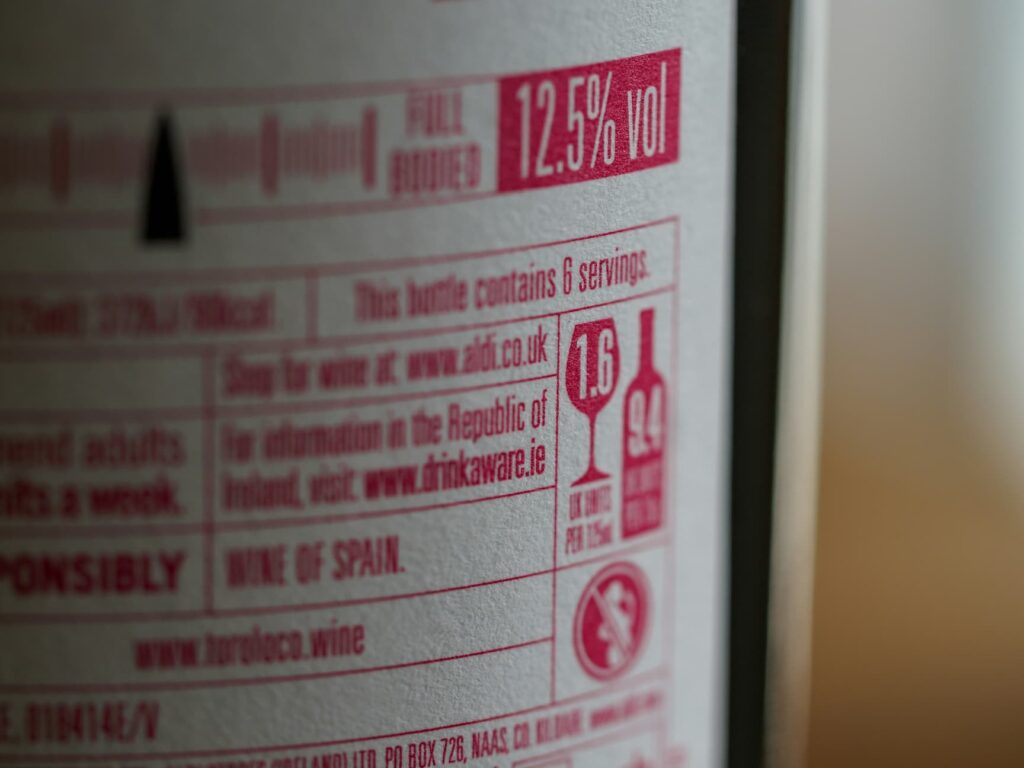
Walking through a supermarket with children in tow can feel overwhelming. Every shelf is packed with brightly coloured packaging, bold health claims, and long ingredient lists written in tiny print. As a parent, you are expected to make quick decisions about what goes into the trolley, often with very little time to stop and analyze every product properly. However, learning how to read food labels is one of the most useful skills you can develop. It does not require specialist knowledge, but it does require knowing what actually matters and what can safely be ignored.
Why food labels matter more than marketing
Most packaging is designed to sell, not to inform. Words like natural, wholesome, organic, and healthy are not tightly regulated in the way many people assume. They often tell you very little about what is actually inside the product. Some companies genuinely use these terms, but others use them because they sound reassuring. A brand like Taylor Farms, which focuses on fresh produce, is usually straightforward about what it sells. But many processed food brands rely heavily on image rather than substance.
Food labels are the only part of packaging that must follow strict rules. They are where the real information lives.
Start with the serving size
The first thing most people miss is the serving size.
Nutrition information is always based on a defined portion, not the whole pack. A cereal bar might look low in sugar until you realise the label refers to half a bar. A drink bottle might list calories for one glass, even though it contains three.
As a parent, this matters because children rarely eat textbook portions. If your child eats the whole pack, you need to mentally multiply everything on the label.
Understanding the nutrition table
The nutrition table tells you how much energy and which nutrients are in one serving. The key areas to focus on are:
- Calories. Useful for context, but not the most important number for children unless weight is a concern.
- Fat, especially saturated fat. High levels are linked to heart health problems later in life.
- Sugar. One of the biggest contributors to poor childhood diets. Many products contain far more sugar than parents realise.
- Salt. Often overlooked, but excessive intake is common in processed foods.
- Fibre. A good indicator of how filling and digestion-friendly a food is.
You do not need to memorise ideal numbers. The relative comparison between products is what matters most.
The daily value percentages
The percentage daily values show how much of a typical adult’s daily allowance a serving provides. While these figures are not tailored to children, they are still useful for comparison.
As a rough guide, 5% or less is low, and 20% or more is high.
So, if one yoghurt provides 25% percent of your daily sugar, that is a warning sign. If one snack contains 30% of your daily salt, it is probably not something you want to offer regularly.
Reading the ingredients list
The ingredients list is ordered by quantity. The first ingredient is the one used the most. The last is used the least.
If sugar appears in the first three ingredients, the product is mainly sugar, no matter what the front of the pack says.
Short ingredient lists are usually easier to trust than long ones full of chemically sounding names. That does not mean additives are automatically bad, but complexity often hides poor nutritional quality.
Spotting hidden sugars
Sugar rarely appears under one simple name.
It may show up as:
- Glucose syrup
- Corn syrup
- Dextrose
- Maltose
- Fructose
- Fruit concentrate
If several of these appear in one product, that usually means sugar has been added in multiple forms. Many foods marketed at children rely on this tactic, especially cereals, yoghurts, drinks, and snack bars. If you want truly low-sugar products, don’t just look for the word ‘sugar’ in the ingredients list.
Allergen information
If your child has allergies, the allergen section is critical.
Manufacturers are required to clearly state common allergens such as nuts, milk, eggs, soy, gluten, and shellfish. This usually appears in bold or in a separate line that starts with Contains.
Even if you trust a brand, always check. Recipes and factories change over time.
The bigger picture
Food labels are not there to judge your parenting. They are tools. They help you compare similar products, reveal hidden sugar and salt, and cut through marketing language.
Most importantly, they put control back in your hands.
You cannot control everything your child eats, especially outside the home. But you can control what enters your kitchen. Knowing how to read food labels turns shopping from guesswork into an informed choice.