
People often assume that living frugally means saying no all the time. But frugality has never been about deprivation for me; it’s about being intentional. When you spend your money where it matters most, you can enjoy life just as much, if not more, while putting far less strain on your budget.
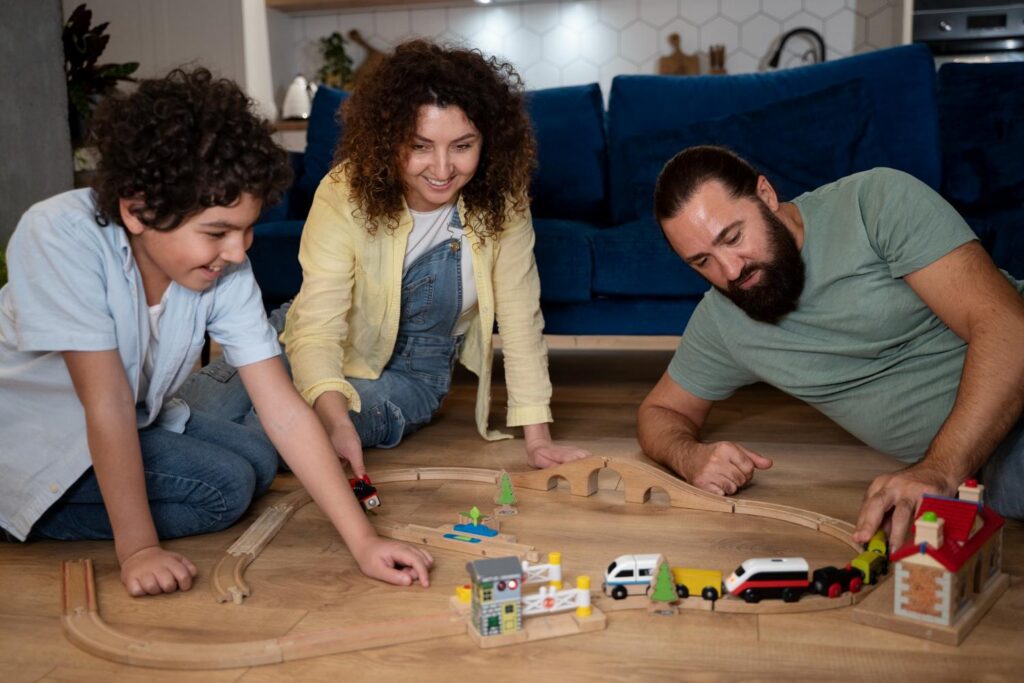
One of the biggest misconceptions about frugal living is that it requires giving up fun. In reality, many families discover the opposite. Once the pressure to spend money on every outing, every weekend, and every school holiday disappears, creativity often takes its place.
Children rarely remember how much an activity cost. They remember baking cookies with a parent, building a blanket fort in the living room, spending an afternoon collecting leaves in the park, or laughing through a homemade board game. These moments cost very little, yet they become the memories that last.
Frugal parenting is not about saying “no” to enjoyment. It is about saying “yes” to experiences that strengthen relationships without placing unnecessary strain on the family budget.
Rethinking What Counts as Entertainment
Modern families are surrounded by constant messages encouraging them to spend. Advertisements suggest that every birthday needs elaborate decorations, every weekend requires an attraction, and every school break should involve expensive trips.
That mindset can quietly create financial stress without adding much happiness.
Instead of asking, “What can we buy this weekend?” many parents find it more rewarding to ask, “What can we create together?”
Cooking a new recipe, organizing a family movie night, exploring a local walking trail, visiting the library, or learning a new hobby together often provides just as much enjoyment as activities with a high price tag.
Children also benefit from seeing adults make thoughtful financial decisions. They learn that fun and spending are not the same thing.
Making the Most of What You Already Have
Many homes contain enough resources to create weeks of entertainment.
Old cardboard boxes become castles or rocket ships. Forgotten craft supplies inspire rainy afternoon projects. Books that have been sitting untouched on shelves suddenly become exciting when everyone agrees to read together before bed.
Families can also rotate toys rather than buying new ones. Storing some items for a few weeks and bringing them back later makes them feel new again without costing anything.
Simple routines like these encourage imagination while reducing unnecessary consumption.
Parents Need Affordable Downtime Too
Parents often focus so much on creating memorable experiences for their children that they forget their own wellbeing matters as well.
Rest is not a luxury. It helps parents remain patient, present, and emotionally available.
Affordable relaxation looks different for everyone. Some people unwind by reading novels, gardening, knitting, watching documentaries, or listening to podcasts. Others occasionally enjoy digital entertainment designed for adults. For example, mr q Casino operates within the UK’s regulated online gaming market and is known for its straightforward approach, including the absence of wagering requirements on winnings. Whatever form leisure takes, the important principle remains the same: it should fit comfortably within the household budget, remain balanced with other responsibilities, and always be approached responsibly.
Healthy finances leave room for enjoyment without creating financial pressure afterward.
Teaching Children Through Everyday Choices
Children learn financial habits by watching adults far more than by listening to lectures.
When they see parents planning purchases, comparing prices, repairing items instead of immediately replacing them, and discussing family priorities openly, they begin developing healthy attitudes toward money.
They also learn patience.
Saving for something meaningful teaches far more than buying everything immediately. Delayed gratification is a valuable life skill that extends well beyond personal finance.
Even young children can participate by helping compare supermarket prices, planning inexpensive meals, or suggesting free weekend activities.
These conversations build confidence rather than anxiety when approached positively.
Free Doesn’t Mean Less Valuable
Some of the richest experiences available to families cost nothing at all.
Neighbourhood walks become nature scavenger hunts. Public parks become adventure playgrounds. Libraries offer books, puzzles, educational events, and community activities that many families overlook.
Local museums often provide discounted or free admission days. Community festivals, outdoor concerts, and volunteer events also create opportunities to spend quality time together while supporting local organisations.
According to National Health Service (NHS) guidance, spending time outdoors and staying physically active contributes to both physical and mental wellbeing for adults and children alike. Choosing activities that encourage movement and connection benefits the entire family while keeping costs low.
Building Traditions Instead of Expenses
Children thrive on routines and traditions.
Weekly pizza nights, Saturday morning pancakes, evening walks after dinner, homemade holiday decorations, or annual camping trips in a nearby park often become treasured family rituals.
These traditions rarely depend on expensive purchases.
Instead, they create a sense of stability and belonging that children carry into adulthood.
Many adults remember small family rituals far more vividly than costly gifts they received growing up.
A Healthier Relationship With Money
Frugal living is sometimes misunderstood as constant sacrifice.
In reality, thoughtful budgeting creates freedom.
Families who spend intentionally often experience less financial stress because they know where their money is going. They are better prepared for unexpected expenses, emergencies, and future goals.
This peace of mind supports emotional wellbeing just as much as financial security.
Rather than constantly chasing bigger purchases, many families discover greater satisfaction in appreciating what they already have.
Choosing What Truly Matters
Living frugally does not mean avoiding every expense. It means making conscious decisions about which purchases genuinely improve your family’s quality of life.
Some experiences are worth saving for. Others can be recreated at home for a fraction of the cost.
When parents focus less on keeping up with expectations and more on building meaningful relationships, children benefit in countless ways. They learn creativity, gratitude, patience, and resilience—qualities that remain valuable long after childhood.
Ultimately, the richest family life is rarely defined by how much money is spent. It is shaped by time shared, conversations enjoyed, traditions built, and memories created together. Those are investments that continue paying dividends for years to come.