
Parenting today doesn’t just mean keeping track of school papers and doctor’s appointments. It also means managing a growing number of online accounts for everything from homework to grocery rewards. Teaching our kids to use technology responsibly starts with setting a good example ourselves, so here are some simple ways to keep your family’s digital life organized, secure, and a little less stressful.
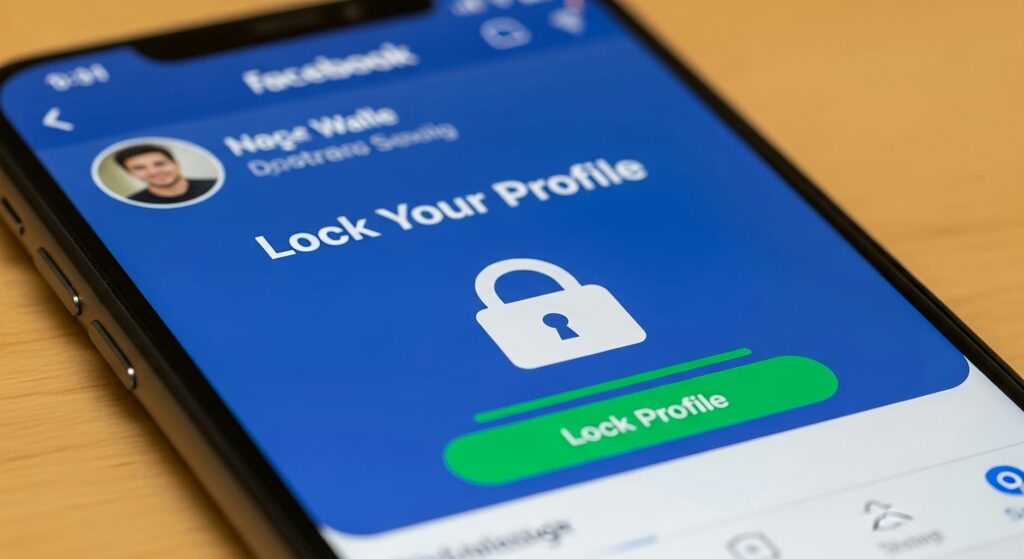
Finding ways to save money is only part of running a household today. Families also spend time managing online accounts for schools, grocery rewards, banking, streaming services, shopping apps, and community programs. Keeping those accounts organized and secure can reduce stress while making everyday life a little easier.
Fortunately, staying safe online doesn’t have to be expensive or complicated. A few simple habits can help parents protect their personal information while teaching children responsible technology use. Just as families budget for groceries or utilities, it’s worth setting aside a little time to build healthy digital routines.
When registering for a new rewards app, educational platform, or short-term online service, phone verification is often required. Tools such as NCloud Free SMS via SMSPool can help with temporary SMS verification for eligible one-time registrations, offering a convenient option when you don’t want to use your primary phone number for every account you create.
Keep Online Accounts Organized
Many parents are surprised by how many online accounts they accumulate over the years. Organizing them regularly makes it easier to manage passwords, update information, and identify accounts that are no longer needed.
A few practical ideas include:
- Delete accounts you no longer use.
- Use unique passwords for important services.
- Save passwords in a trusted password manager.
- Update recovery information regularly.
- Review account notifications every few months.
Small habits like these can prevent bigger problems later.
Teach Children Safe Digital Habits Early
Children are learning about technology earlier than ever. Giving them simple, age-appropriate guidance helps build confidence and encourages responsible online behavior.
| Digital Habit | Why It Helps |
|---|---|
| Protect passwords | Prevents unauthorized access |
| Ask before downloading apps | Reduces security risks |
| Avoid sharing personal information | Improves online privacy |
| Recognize suspicious messages | Helps avoid scams |
| Log out on shared devices | Protects family accounts |
Learning these habits together can make online safety feel like a normal part of everyday life.
Save Time by Simplifying Technology
Technology should make family life easier, not more complicated. Choosing user-friendly apps and avoiding unnecessary subscriptions helps reduce digital clutter while saving both time and money.
Review Monthly Subscriptions
Many households continue paying for apps or services they rarely use. Reviewing subscriptions every few months can uncover easy savings.
Organize Family Devices
Keeping phones, tablets, and computers updated improves performance while reducing security risks.
Create Shared Guidelines
Simple household rules about downloads, passwords, and screen time help everyone stay on the same page.
Families that simplify their digital lives often spend less time troubleshooting technology and more time enjoying it together.
Parents are also adapting to new technology trends as digital tools become more common at home and in schools. Coverage of education and family topics from BBC News regularly highlights how technology continues shaping learning environments and everyday family life.
Budget-Friendly Ways to Improve Online Security
Improving digital safety doesn’t require expensive software. Many effective security measures are completely free.
Consider these practical steps:
- Enable multi-factor authentication whenever available.
- Keep devices updated automatically.
- Download apps only from official stores.
- Review privacy settings after installing new apps.
- Be cautious with unexpected emails or text messages.
- Back up important family photos and documents.
These habits offer long-term protection with very little effort.
Preparing Children for a Digital Future
Technology will continue evolving, and today’s children will grow up using tools that don’t yet exist. Rather than trying to keep up with every new trend, parents can focus on teaching decision-making skills that apply across different platforms.
Helpful questions to encourage include:
Is This Website Trustworthy?
Children should learn to recognize reputable websites before sharing any information.
Why Does This App Need My Information?
Understanding permissions helps children become more thoughtful about online privacy.
Should I Ask Before Signing Up?
Encouraging open conversations helps parents guide children through unfamiliar digital situations.
As connected technology becomes part of everyday life, Forbes’ insights on technology and innovation frequently explore how digital tools are changing the way people work, learn, and manage their daily routines.
Technology can be a wonderful resource for busy families when it’s used thoughtfully. By staying organized, practicing simple online safety habits, and having regular conversations about responsible technology use, families can enjoy the convenience of digital tools while protecting their privacy and keeping everyday life a little less stressful.