
Who said fun has to cost money? Whether you’re looking for ways to entertain teenagers this summer or just want some ways to have a nice time and not blow the budget, here are some great ways to have a great afternoon or evening, and guess what? They’re all entirely free! You can have your cake and eat it too.
Every budget eventually runs into the same gap: the hours when everyone’s home, there’s no money left in the entertainment budget, and the usual answer of turning on a screen starts to feel like giving up rather than making a conscious choice.
The good news is that free doesn’t have to mean boring. It simply means being a bit more intentional about choosing activities that genuinely fill the time well instead of defaulting to whatever is easiest. Playsolitaire.io is one of the genuinely free options worth keeping bookmarked for exactly those moments. It’s a browser-based card game with no account required, no download, and no upsell waiting at the end of level three. It’s one of several zero-cost ideas below that can keep boredom at bay without costing a cent.
A Round of Solitaire or Another Simple Card Game
A single deck of cards—the kind that’s probably sitting in a drawer somewhere already—offers far more entertainment than it gets credit for. Solitaire alone comes in enough variations, including Klondike, Spider, Golf, and FreeCell, to stay interesting for years. It can fill five spare minutes or a slow half hour, depending on how much time you have.
The browser version mentioned above is perfect for the days when your physical deck has mysteriously lost a few cards, and it’s worth keeping both options in rotation since neither requires anything beyond a device or deck you already own.
Visit the Library for More Than Just Books
Modern libraries offer far more than shelves full of books. Many lend free museum or attraction passes, provide printable activity packs, host seasonal events, and even loan equipment like sewing machines or gardening tools.
A library card is one of the few truly unlimited free resources available to most households, yet it’s surprisingly easy to overlook everything beyond borrowing books.
Cook Using What’s Already in the Pantry
Instead of seeing an almost-empty pantry as a problem, turn it into a challenge. Choosing three random pantry staples and figuring out what meal you can create is a surprisingly fun way to spend an hour while using ingredients that might otherwise sit forgotten in the back of a cupboard.
For older kids, this can transform cooking from a chore into a game—with something delicious to eat at the end.
Take a Walk with a Purpose
Walking is enjoyable on its own, but giving the walk a simple mission makes it much more engaging. Try finding a particular kind of tree, counting how many different dog breeds you spot, or discovering the highest point in your neighborhood.
It costs nothing but your time and helps solve the problem of everyone feeling restless after spending too many hours indoors.
Rediscover the Board Games and Puzzles You Already Own
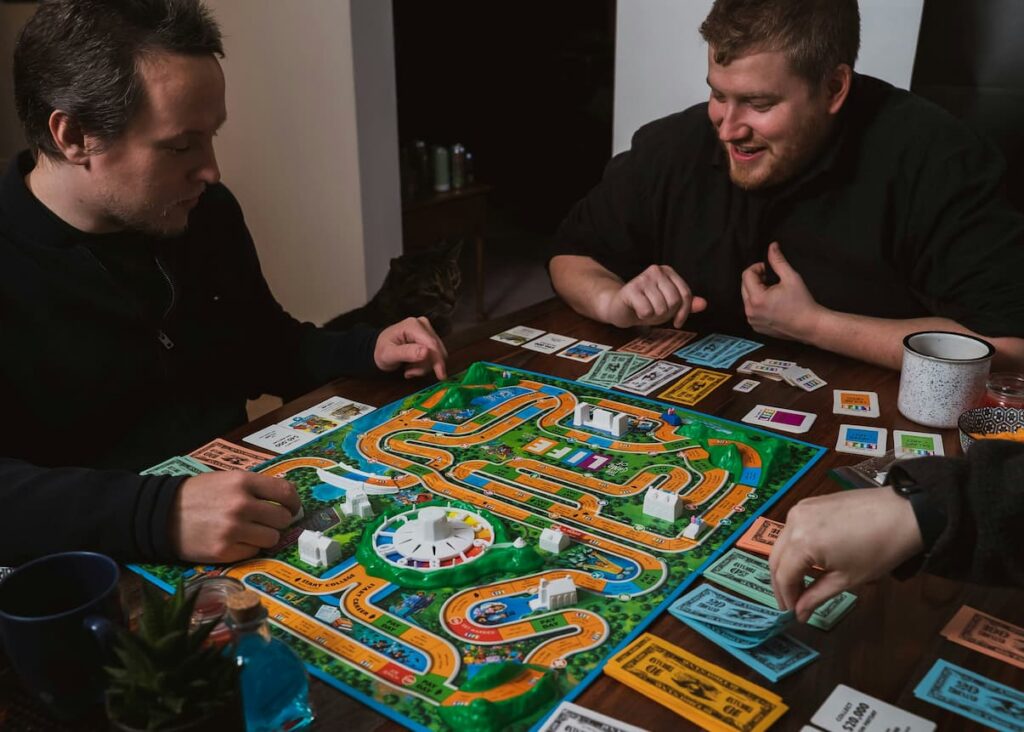
Most households have at least one board game or puzzle tucked away in a closet simply because it takes a little effort to pull it out.
Try creating a standing tradition, like one “forgotten game” night each week, or keep a puzzle on a table where everyone can add a few pieces over several days. It’s entertainment you’ve already paid for—there’s no reason not to enjoy it again.
Look for Free Museum Days and Community Events
Many museums, libraries, and community centers regularly host free admission days or drop-in events that receive very little publicity beyond a listing on their website.
Checking your local events calendar once a month instead of assuming everything worthwhile costs money often uncovers far more free opportunities than people expect, especially during school holidays when organizations are actively trying to attract families.
Make Free the Default Instead of the Backup Plan
None of these ideas require much planning once you’ve written them down somewhere accessible. A shared family note or a list on the refrigerator is usually enough.
The habit that actually saves money isn’t simply knowing free activities exist. It’s automatically reaching for one of them instead of instinctively choosing a paid option. Keeping a visible list like this one makes that choice much easier, and over time, it can save far more money than you might expect.