
When my kids were babies, I wish I had the dilemma of whether or not to get a bottle washer, since my kids refused to take a bottle no matter how hard I tried; they only wanted the breast. But for those whose babies do use bottles, is a bottle washer a necessity? Read on if you, as a frugal parent, should invest in one.
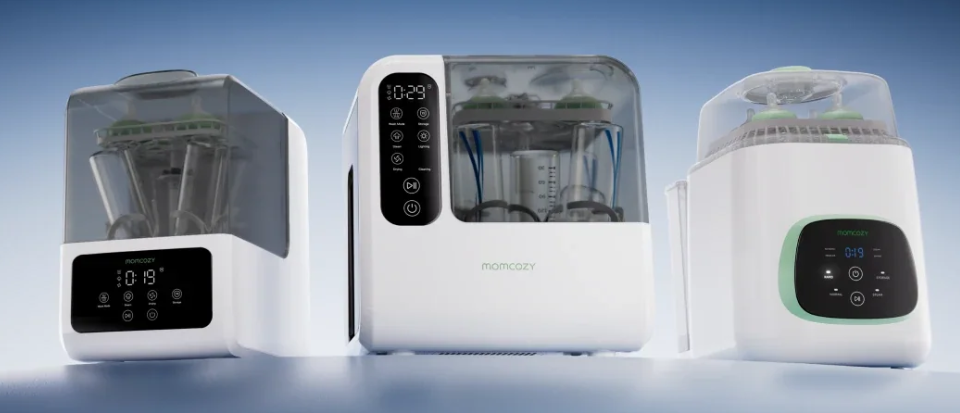
The registry lists make it sound mandatory: another countertop box between the toaster and the mail pile. Before you spend grocery money on one, ask the real question—do you need a bottle washer for your feeding routine, or will the dishwasher, a boiling pot, and ten minutes at the sink cover it? The honest answer is often “not yet,” sometimes “definitely,” and rarely “because an influencer said so.”
Start by understanding what the category even covers. Browsing a baby bottle washer lineup shows compact units built for nipples, valves, and pump parts—not plates and casserole pans. That distinction matters when you are counting dollars per clean bottle. This article is general cleaning guidance, not medical advice; talk with your pediatrician about sterilizing for newborns or medically fragile babies.
Who Actually Needs One—and Who Can Skip It
You might skip a dedicated washer if: you breastfeed most feeds and only use a bottle occasionally; you have a reliable dishwasher with a sanitize cycle and bottles labeled top-rack safe; you have time and energy for hand washing plus an occasional boil; or you are in a tiny seasonal window (a few months of formula) and can tolerate the sink.
You might need one if: you formula-feed or triple-feed and the sink never empties; you pump daily and lose valve discs in the cutlery basket; your dishwasher is old, shared, or too hot for silicone parts; you are a single or disabled parent where hand washing at midnight has a real health cost; or you already bought a standalone sterilizer and still spend an hour transferring wet parts to dry racks.
Need is about load and labor, not parenting guilt.
Are Bottle Washers Worth the Money?
Worth it means the purchase saves you more—in time, replacement parts, or sanity—than it costs over the months you will use it.
- Upfront price vs hours saved: If hand washing eats forty-five minutes a day, a washer that runs while you fold laundry can pay back in sleep alone. Put a number on your hourly “survival wage” and compare.
- Hidden costs you already pay: Emergency valve packs, takeout because you ran out of clean flanges, extra bottles because drying space is always full.
- Resale and lifespan: Many families use intense cleaning gear for a year or two. A solid unit with replaceable filters may beat cheap gadgets that leak in month four.
- What it replaces: If you were about to buy a separate sterilizer, drying rack, and premium brush set, an all-in-one washer can consolidate—only if you will run it daily.
If you feed once a day from a single bottle, the math rarely works. If you pump at work and again at night, it often does.
Do You Really Need a Bottle Washer If You Have a Dishwasher?
Not always. A full-size dishwasher with a proper sanitize or high-temp cycle can clean and reduce bacteria on compatible bottles and nipples—when they are loaded correctly, milk film is rinsed first, and small parts are secured so they do not melt or vanish.
A bottle washer still wins for some families because:
- Nipples and pump membranes stay in purpose-built baskets
- You are not running a half-empty dish load just for three items
- Wash, steam, and dry happen in one step without moving wet gear across the kitchen
- Office or apartment dishwashers feel unreliable for infant parts
Frugal rule: try your existing dishwasher for two weeks with a checklist (top rack, sanitize on, inspect teats). If you are still buying replacement parts or re-washing, revisit a dedicated washer—not before.
Do I Need a Bottle Washer If I Am Breastfeeding?
Often no—for long stretches. Exclusive breastfeeding with occasional pumped bottles may mean one or two bottles and a flange set per day. Hand washing with hot soap and a dedicated brush can be enough, especially if you store milk in bags and only wash the collection kit.
Consider a washer anyway if:
- You return to work and pump multiple sessions daily
- You combo-feed and bottles pile up faster than dishes
- You donate milk or build a freezer stash and cycle through several pump kits
- Physical limits make standing at the sink painful—gear that automates hygiene can be a disability accommodation, not a luxury
Breastfeeding does not automatically exempt you from bottle labor; it usually lowers the volume until pumping ramps up.
Is It Okay Not to Sterilize Baby Bottles?
For many healthy, term babies past the newborn stage, daily thorough washing with hot water and soap—plus safe drying—is what pediatric guidance often shifts toward, while strict sterilizing may taper. For newborns, preemies, or babies with immune concerns, sterilizing after every use may still be recommended.
“Okay not to sterilize” is not “okay to skip cleaning.” Milk residue breeds bacteria; a quick rinse is not a wash. If you use a dishwasher sanitize cycle or a bottle washer’s steam phase, you are still choosing a validated method—as long as materials are rated for that heat and you follow instructions.
When in doubt, ask your clinician rather than the comment section.
Cheaper Paths Before You Buy
- Standardize on fewer bottle brands so parts interchange and you buy fewer spares
- Keep one labeled “clean” bin and one “dirty” bin so partners do not guess
- Use your dishwasher’s sanitize cycle during loads you already run
- Boil or steam sterilize in batches on weekends if daily sterilizing is still required
- Check Buy Nothing groups for barely used gear—scrub and descale before trusting it
When a Dedicated Unit Might Be the Frugal Choice
If the cheap path failed—parts still disappear, mold smells return on “clean” nipples, or you are paying for convenience food because the sink wins every night—a compact washer that washes, steam-sanitizes, and dries can sit on existing counter space. One example in that class is the Momcozy DeepClean Lite Baby Bottle Washer and Sterilizer, sized for bottles and pump accessories rather than dinner dishes. Read the manual on capacity, descale on schedule if your water is hard, and treat it like any appliance: maintain it or lose the savings.
What Bottle Washers Do (Category Basics)
A countertop bottle washer connects to a standard outlet, heats water, and sprays through arms aimed at inverted bottles and small-part baskets. Detergent is measured for small chambers, not a full dish load. After washing and rinsing, many models heat water into steam for sanitizing, then blow warm filtered air so nipples and bottles are stored dry rather than dripping on a towel that touched raw meat prep.
Unlike a general dishwasher, the interior assumes the same shapes every day—bottle bodies, collars, teats, pump flanges, pacifiers—so spray paths match those openings. Maintenance usually means cleaning filters, descaling, and checking spray holes for milk buildup. The trade-off is upfront cost and counter space against repeated hand washing and the slow drip of cash for lost silicone parts.
No machine replaces feeding the baby; it only shortens the loop between feeds so you can rest or earn.
FAQ
Are bottle washers worth the money?
They can be if daily bottle and pump volume makes hand washing or half-loaded dish cycles cost more in time and replacement parts than the unit price spread over months of use. Low-volume feeders often do better with what they already own.
Do you really need a bottle washer if you have a dishwasher?
Not necessarily. Try a sanitize cycle with secure loading first. Need rises when small parts fail in the dish machine, loads are too infrequent for your feed schedule, or you want wash-plus-dry in one step.
Do I need a bottle washer if I am breastfeeding?
Usually not at first. Need increases when pumping at work, combo-feeding, or managing multiple pump kits daily makes sink time unsustainable.
Is it okay not to sterilize baby bottles?
Many families move to thorough washing alone as babies grow, per pediatric guidance—but cleaning must stay rigorous. Newborns and high-risk infants may still need sterilizing every use; confirm with your doctor.
Do you need a bottle washer? Treat it like any budget decision: list your daily bottle and pump count, test the dishwasher you already pay for, price your time honestly, then buy only if the numbers—or your body—say the sink is the expensive option.