
Over the last year, I’ve lost about 15 kg (33 pounds), so weight loss and all the changes that come along with it have been on my mind quite a bit lately. Losing weight isn’t just about watching the number on the scale go down; it can change how you eat, how your clothes fit, how you feel about your body, and even where your money ends up going. Since I’m always looking at things through a frugal lens, I wanted to talk about some of the less-discussed parts of weight loss and how to navigate them without spending a fortune.
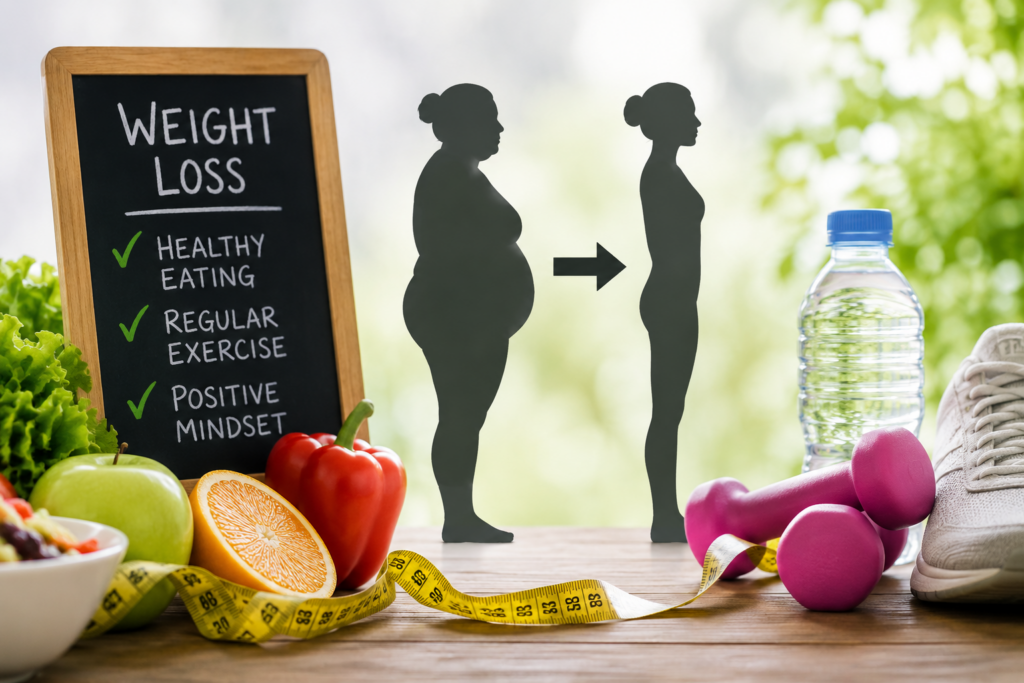
Weight loss after a divorce, a health scare, or the plain grind of parenting years often carries more baggage than a scale can show. For a lot of women running a household on one income, GLP-1 weight-loss medications have become part of that picture, not as a shortcut, but as one more expense to plan around alongside groceries, kids’ activities, and everything else competing for a tight budget.
The physical changes that come with rapid weight loss can bring their own financial surprises too, from smaller grocery hauls that still need to stretch further to questions about what to do with skin that doesn’t bounce back the way muscle does. There’s also an emotional side that rarely gets discussed alongside the medical one. A body in transition can feel like a stranger’s for a while, and rebuilding confidence in it takes time whether the transition came from a medication, a major life change, or both at once.
None of that has to mean expensive fixes or an all-or-nothing approach. With some planning, it’s entirely possible to support a changing body and a rebuilding sense of confidence without blowing a frugal budget, and without pretending the financial side of this journey doesn’t exist.
Making Smaller Meals Count
One practical starting point is leaning on avocados and other GLP-1-friendly foods, which pack more nutrition into fewer bites. GLP-1 medications work by slowing digestion and dulling appetite, which means a person eating half of what they used to still needs the same amount of fiber, potassium, and healthy fat.
Avocados happen to check several of those boxes at once, and they stretch a long way in a household budget since a single one can top toast, fill out a salad, or get blended into a smoothie for kids who don’t need the appetite suppression but still benefit from the nutrients.
Buying whichever produce is on sale that week and building meals around it, rather than shopping from a rigid list, tends to work better than trying to source specific ingredients at full price. It also helps to think in terms of nutrient density per dollar rather than calories per dollar, since the old rules about stretching a food budget with cheap starches don’t serve a body that’s trying to get more out of less food.
What a Shrinking Grocery List Still Has to Cover
The class of GLP-1 receptor agonists now guiding primary care weight-loss medication decisions reduce hunger substantially, which sounds like it should cut a grocery bill in half. In practice, it usually doesn’t. Smaller portions still need to come from nutrient-dense sources rather than empty calories, and skipping meals to save money tends to backfire when appetite is already unpredictable.
A more realistic budgeting approach treats grocery spending as shifting in composition rather than shrinking in cost: fewer snack foods and bulk staples, more protein and produce bought in smaller, more frequent quantities so nothing spoils before it gets eaten. Meal prepping in small batches, rather than the large-format cooking that worked before appetite changed, also cuts down on food waste, which is its own quiet budget leak.
Freezing single portions the moment they’re cooked, buying frozen produce when fresh prices spike, and rotating a short list of go-to recipes instead of constantly experimenting all help keep both the grocery bill and the mental load manageable during a period when everything else already feels like it’s shifting.
The Part of the Journey Nobody Budgets For
Significant, fast weight loss can leave skin that doesn’t fully retract, especially around the abdomen, arms, and thighs. This isn’t a flaw in anyone’s effort; skin simply can’t remodel as quickly as fat disappears when the loss happens over months instead of years.
That shift in body composition has fueled a rise in post-weight-loss body contouring research, as plastic surgeons study how these medications interact with healing and recovery. For anyone whose confidence takes a hit at this stage, it helps to know the reaction is common and that surgery isn’t the only option on the table.
Non-Surgical Options Worth Knowing About
For skin changes that do show up, non-surgical body-tightening treatments offer a middle ground between doing nothing and committing to major surgery. Options like radiofrequency skin tightening, laser resurfacing, and targeted fat-reduction treatments are built for exactly this kind of post-weight-loss laxity, and they come with far less downtime and expense than a surgical body lift.
None of it is free, so it’s worth treating these treatments the way any other big-ticket item gets treated in a frugal household: research a few providers, ask about payment plans, and start with the single area causing the most day-to-day discomfort or self-consciousness rather than trying to address everything at once. A staged approach spreads the cost out and gives skin more time to respond naturally before committing to anything more invasive.
It also leaves room to change course. Some people find that a few months of consistent strength training tightens things up enough on its own, since building muscle underneath loose skin helps fill out the area and reduces how much it sags. Others decide a single well-chosen treatment for one problem area is worth saving toward. Either path beats feeling stuck between full surgery and doing nothing at all.
Confidence Doesn’t Have to Cost a Fortune
Budgeting for the kind of self-care that doesn’t require a windfall turns out to matter just as much as budgeting for groceries or treatments. Confidence rebuilds slowly, through small, repeatable choices rather than one dramatic fix, and that’s true whether the trigger was a divorce, a health diagnosis, or a body that looks different than it did a year ago.
That same resourcefulness shows up in the unexpected upsides of single parenthood, where tight budgets often force more creativity than despair. The instinct to make the most of limited resources doesn’t stop at the grocery budget. It carries over into how a person rebuilds their sense of self after any major life change.
Small Steps, Real Change
The common thread across a changing body, a changing bank account, and a changing family structure is the same one: progress rarely looks like a single dramatic transformation. It looks like a lot of small, sustainable decisions made on a budget that has to work for real life, not a highlight reel.
Some months that means splurging on one skin-tightening session and skipping everything else. Other months it means a free walk outside and a good meal built around whatever produce is cheapest that week. Both count, and neither one has to look like the finished version to be worth doing. What actually holds up over time is the willingness to keep making small, deliberate choices on a budget that fits the life being lived right now.