
When my little brother was born, they said he’d be diagnosed with Cerebral Palsey when he got older, that he would never be able to crawl or walk or anything like that. My mother took him to so much physical therapy as a baby and so many other therapies and now he has zero physical health issues other than asthma, and in fact, he started crawling at only 9 months old! This is why pediatric physical therapy is so important, especially in gross motor development
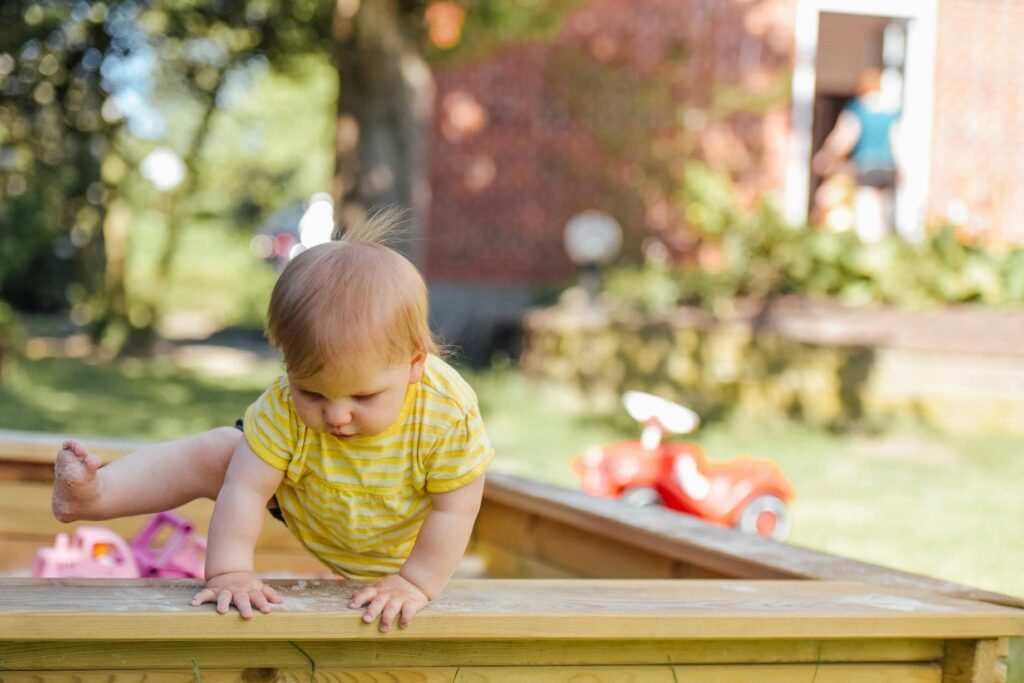
Children progress through many movement stages as they grow. Each stage marks a step in their physical skills. A pediatric physical therapist guides young individuals through these important milestones. This support is vital for children who face movement challenges. By focusing on gross motor development, therapists help children gain confidence in their abilities. Families often feel reassured knowing a specialist is guiding their child’s progress.
Understanding Gross Motor Development
This is also called large muscle activities. This includes skills like crawling, walking, running, and jumping. Skills like these take time to grow, and every new skill builds upon the last. This development might not happen as expected in some children. The earlier you can recognize delays, the better. Having a therapist involved can help children practice these fundamental movements. With a pediatric physical therapist, families gain structured support that fosters balance, coordination, and mobility.
Assessment and Early Detection
Evaluation: Kids’ PTs start with a comprehensive evaluation. They study the movement of children, how they walk, sit, stand, and play. This assessment helps detect any roadblocks or challenges. Identifying problems early in the movement enables support to be provided at the right time. Therapists rely on their training to read various subtle signs that may raise alarm in a parent. They help identify potential issues early, paving the way for more successful long-term outcomes.
Individualized Intervention Plans
Every child has unique needs. Pediatric physical therapists develop individualized plans tailored to specific issues. These strategies usually include playful activities that appeal to the interests and competency levels of each child. Therapists tailor exercises to keep the kids motivated and interested. They support advancement at the child’s own speed through numerous methods. Each child is also included in the planning, and parents are included, ensuring a smooth relationship between home and school.
Promoting Strength and Coordination
Building strength is essential for gross motor development. Therapists select exercises that target large muscle groups. Activities may include climbing, balancing, or hopping. These movements help children develop better coordination and balance. Over time, improvements in muscle strength leads to greater independence in daily activities. The right guidance ensures children progress safely and effectively.
Encouraging Functional Mobility
Walking as a functional activity means that movement occurs during daily activities. Physical therapists for children, or pediatric therapists, provide skills for children to move in their functional environments. Such activities could be standing up from the floor, climbing stairs, and using playground equipment. These skills are necessary for involvement at home, at school, and during play. They provide concrete strategies that can help your child be more active and independent.
Family Education and Support
Part of what a therapist does is support families. Parents are given ideas on how to assist their child in practicing new skills. It also recommends home activities to help maintain the progress made in therapy sessions. Training helps families to feel assured that they are supporting their kid/child development efficiently. When therapists talk openly with families, it creates more support for the child.
Collaboration with Other Professionals
A team approach may be easiest for children. Pediatric physical therapists (PT) often work alongside teachers, doctors, and other specialists. Such group effort guarantees that objectives do not fluctuate between domains of a child’s life. Regular communication keeps everyone informed about the latest developments and challenges. By all working together, the group gives children the best possible chance of working towards their development.
Measuring Progress and Setting Goals
Tracking improvements is an ongoing process. Therapists use objective tools to measure gains in movement skills. Regular reviews help adjust strategies as children grow and change. New goals are set to encourage continued development. Celebrating achievements, no matter how small, boosts motivation and self-esteem. Progress is viewed as a journey, not a race.
Conclusion
Pediatric physical therapists play a crucial role in supporting gross motor development. They are trained experts in every step of the child’s movement journey. Personalized assistance allows children to be stronger, confident, and self-reliant. Education and reassurance to the individuals and families are a benefit throughout the process. This partnership between therapists and families encourages children to achieve their highest potential! Skilled, compassionate care will set you on the path to working toward better movement.