
Car accidents and other accidents eat up a big chunk of money. Ask me how I know… Doing what you can to prevent car accidents and other accidents is an important part of living a frugal life. Read more to find out why.
When people talk about living frugally, they usually mean the day-to-day stuff: planning meals, buying secondhand, fixing things instead of replacing them, and finding ways to make a small budget go further. Those habits really do add up. Still, some of the biggest hits to a family’s finances come from something completely different: an accident no one saw coming.
A car crash, a bad fall, a burned hand while cooking, a bike spill on the way home from school. It only takes one moment to trigger a chain reaction of costs. There may be medical appointments, prescriptions, repairs, time off work, or a sudden need for extra childcare. These aren’t expenses you can easily “budget better” to avoid, and they can undo a lot of steady progress.
That’s why accident prevention fits so naturally with frugal living. Small choices around safety, awareness, and maintenance may not feel like money decisions in the moment, but they can help protect a family’s health and finances over time.
The Quiet Financial Impact of Everyday Accidents
Most families can plan for predictable expenses like school supplies, utility bills, or a seasonal clothing refresh. Accidents land differently because they arrive uninvited. Even a minor incident can create a pile of expenses faster than you’d expect. A fender-bender can mean repair estimates and a rental car. A slip on an icy sidewalk can lead to an urgent care visit and a week of limited mobility. A kitchen mishap can bring follow-up appointments and missed workdays.
The costs often come in layers. Even when an injury is not serious, there may be deductibles, co-pays, medications, transportation costs, and changes to the normal routine. If someone can’t drive or lift a child for a while, life gets complicated quickly. For families already working hard to keep spending under control, those disruptions can force tough choices, such as dipping into savings or delaying a bill.
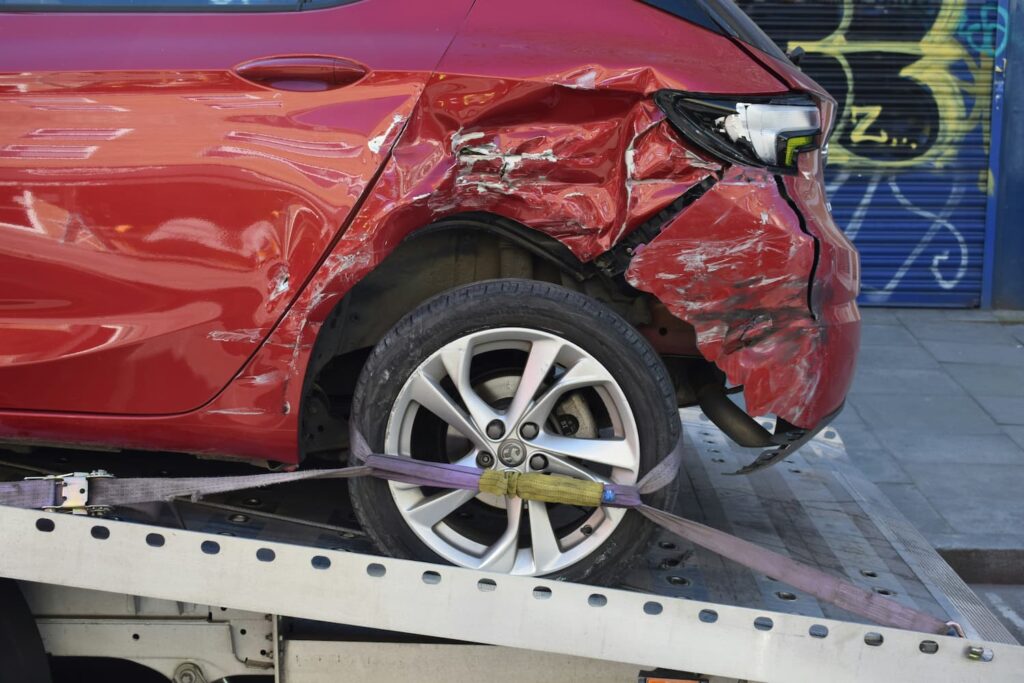
Vehicle accidents can be especially sneaky in this way. The cost is not just the damage itself. There may be towing fees, rental cars, time spent on phone calls and paperwork, and sometimes higher insurance costs later on. Home accidents can be similar. A fall might mean replacing broken items, fixing a hazard, or realizing that a small safety issue should have been handled months earlier.
None of this is unusual. It’s normal life, and that’s exactly why it deserves attention. The more we treat safety as part of our daily routine, the less likely we are to get blindsided by expensive surprises.
Why Location Shapes Risk, Costs, and Expectations
Where an accident happens can change what comes next. Road design, traffic patterns, weather, local systems, and even insurance norms vary from place to place. In larger cities, congestion and complex intersections often create different risks than you’d see in smaller cities like Des Moines or Madison, where traffic is typically lighter. That contrast becomes easier to grasp when you look at the motorcycle crash stats for Chicago riders and compare them with patterns common in smaller metro areas. Even without digging into every detail, this kind of local snapshot can help families think more clearly about risk and planning in a big-city setting.
Rules and procedures also depend on where you are. Some states rely on a fault-based system for vehicle accidents, where responsibility is determined after the crash. Others use systems that handle early medical expenses differently, which may affect how claims move forward and what documentation people need. Even when two states follow the same general approach, details like minimum coverage requirements, enforcement, and how disputes get handled can vary.
Costs shift by region, too. Big urban areas like New York City or Los Angeles often come with higher insurance premiums, partly because congestion increases the chances of collisions, and repair costs may be higher. More rural states, such as South Dakota or Montana, may have different pricing patterns, although open highways can bring different kinds of risks. Medical billing norms and local repair markets also influence how quickly expenses add up after an accident.
Then there’s the process itself. In larger cities, reporting requirements and paperwork can be more involved because of higher claim volumes and more administrative layers. Smaller towns may have simpler steps, though documentation standards and consumer protections can differ. Understanding that location shapes expectations helps families avoid surprises when dealing with the aftermath of an incident.
It’s often easier when the person helping you understands the local landscape. Rules, standards, and common practices vary by location and should be confirmed locally.
Building Safer Routines Into Everyday Life
Safety doesn’t need to be complicated to be effective. Most of the time, it comes down to small routines that quietly reduce risk. Driving more slowly in heavy traffic, putting the phone out of reach, and leaving a little extra time when the weather is bad all make a difference. Keeping up with basic car maintenance helps, too. Tires, brakes, lights, and wipers are easy to overlook until they fail at exactly the wrong moment.
Home safety is similar. It’s rarely about big renovations. It’s about noticing what could go wrong and fixing it before it does. Securing rugs, improving lighting in hallways, keeping walkways clear, storing sharp tools and cleaning supplies safely, and making sure stairs have good handholds can prevent injuries that derail the week. With kids, simple conversations matter too. Reminders about crossing streets carefully, wearing helmets, and paying attention in parking lots may seem repetitive, but those habits stick over time.
The National Highway Traffic Safety Administration’s article on distracted driving risks and prevention lays out how everyday distractions contribute to crashes nationwide. Conditions differ from one state to another, but the larger pattern stays the same: consistent attention reduces risk.
Nothing removes risk completely, of course. Still, steady, ordinary precautions can lower the chances of a disruption that throws a budget off balance.
Prevention and Preparation Work Together
Preventive habits help, but they can’t guarantee that nothing will ever go wrong. Families still need a backup plan for the moments that are out of anyone’s control. Preparation gives breathing room when life gets messy.
Savings are one part of that. If you want a practical breakdown of how to build and maintain a financial cushion, this post on creating a family emergency fund covers the basics clearly. Having money set aside can turn a crisis into an inconvenience. It’s also helpful psychologically, because it reduces panic when the unexpected shows up.
Insurance matters too, though coverage and practices can vary by state and provider. It’s worth reviewing policies occasionally so you understand what deductibles apply, what’s excluded, and how claims typically work. Knowing what to expect can prevent a second wave of stress after an accident, especially when expenses are already piling up.
When prevention and preparation are both in place, families tend to recover faster. The goal isn’t perfection. It’s building a lifestyle with fewer avoidable setbacks and more stability when the unavoidable happens.
Conclusion
Frugal living involves everyday choices, but it’s not limited to finding bargains or cutting grocery costs. It also includes the habits that protect a family’s health, time, and financial stability. Safety routines may not feel exciting, but they can shape whether a household faces a manageable inconvenience or a stressful, expensive disruption.
Accidents happen. No one can eliminate risk entirely. Still, careful choices about driving, home safety, and basic maintenance can reduce the likelihood of costly setbacks. Paired with steady financial preparation, those habits help families stay on track even when life takes an unexpected turn.
Over time, that kind of awareness builds resilience. It helps families keep moving forward without being thrown off course by losses that could have been prevented.