
You send your kid to school and all you want is for them to have a happy day full of learning. But unfortunately, these days there have been far too many school shootings and other dangerous things happening in the places meant to be for education. Here is what schools are doing to try to keep their students and your children safe.
In recent years, keeping students safe has become a top priority for schools worldwide. With growing concerns about violence and threats in schools, many are adopting different security measures to create a safer environment. Schools are using both advanced technology and regular drills to protect the well-being of students and staff. This focus on safety not only aims to defend against outside dangers but also helps build a sense of security and trust within the school community.
School security measures are always changing, with new tools and strategies appearing in halls and classrooms. As parents, teachers, and students navigate this landscape, it’s important to understand the tools and practices that shape a safer school. Here are some ways to improve school safety through different security features.
Access Control Systems
Access control is one of the first ways to keep schools secure. These systems limit who can enter and leave the building. Many schools now use electronic access cards or keypads, allowing only authorized people to get in. Visitors often need to check in at a front desk, where staff verify their identification before they can move around the campus.
Some schools have also installed video intercoms, allowing office staff to speak with visitors before letting them inside. This process helps monitor who is on the premises and acts as a deterrent against potential threats. By implementing effective access control measures, schools can significantly reduce unauthorized entries and maintain a closer watch over their surroundings.
CCTV Surveillance
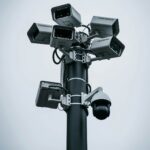
Closed-circuit television (CCTV) systems are now common in many schools. These cameras monitor areas such as hallways and parking lots to ensure visibility throughout the campus. If an incident occurs, these cameras provide important evidence for law enforcement.
Beyond just recording events, cameras also help prevent incidents. Knowing they are being watched often stops students and visitors from behaving inappropriately. Schools that invest in high-definition cameras improve their ability to monitor activities clearly, making it easier to respond to any issues that may arise.
Emergency Communication Systems
Fast communication during emergencies can save lives. Many schools have established robust emergency communication systems. These systems allow staff to alert authorities and notify parents and students via email, text messages, and loudspeaker announcements.
Some schools use mass notification systems that can send alerts to everyone on campus simultaneously. This ensures that everyone quickly learns about emergencies, like lockdowns or evacuations. These systems help schools prepare for emergencies and give parents and students confidence that they can handle any situation.
Detection Systems
With rising concerns about gun violence in schools, many institutions are using weapons detection systems for schools. These systems can identify firearms as people enter the building without disrupting the school day.
Some schools have walk-through metal detectors that screen for weapons quietly while letting students continue their routines. Other technologies use artificial intelligence to analyze camera images and spot potential threats in real time. While these systems can spark debate, their use shows a real commitment to keeping schools safe.
Training and Drills
Security measures are not enough without proper training for staff and students. Regular training sessions and drills help everyone know how to respond in emergencies, such as fires or lockdowns. Schools often work with local law enforcement to conduct drills simulating real-life situations so students and staff can practice their responses.
These drills are vital for creating a culture of safety in schools. When a crisis occurs, having a practiced plan can reduce panic and confusion. Involving students in the process makes them more likely to take security seriously, leading to a safer school environment.
Community Involvement
The success of school security measures greatly improves with community involvement. Schools encourage parents, neighbours, and community members to actively help maintain safety on campus and in the neighbourhood. This collaboration can include volunteer programs, school resource officers, or neighbourhood watch groups.
When the community is engaged, the safety net for students grows stronger. Parents who participate in school activities often build relationships with staff, creating a supportive atmosphere that goes beyond school walls. This unity is essential for promoting a secure environment where everyone looks out for one another.
Schools are finding new ways to improve safety. By combining technology with community efforts, they work hard to prioritize the well-being of everyone on campus. In light of ongoing security challenges, these measures demonstrate a commitment to creating a caring educational environment.