
Home cooking is obviously cheaper than takeout. But by how much? Have you done the math? Most of us compare the price of a single homemade meal to a single restaurant meal and call it a day. The reality is more complicated. Between food waste, impulse takeout orders, delivery fees, and ingredients that sit forgotten in the back of the pantry, the true cost of feeding your family isn’t always as obvious as it seems. Here’s a closer look at where the money really goes—and how to make your food budget work harder.
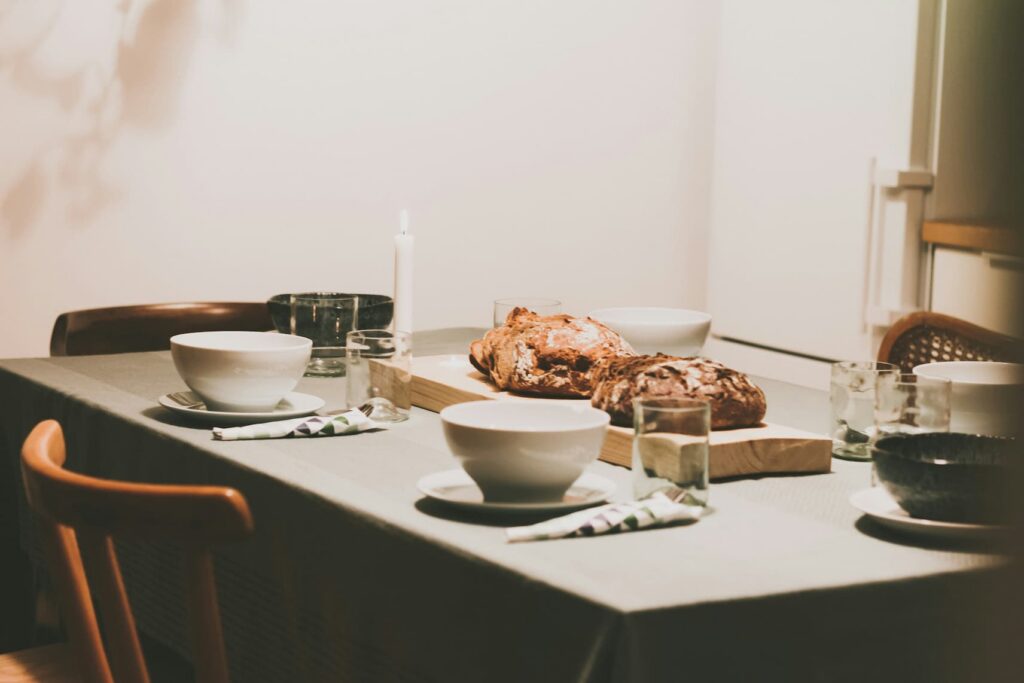
Is Cooking at Home Actually Cheaper Than Ordering Food?
Cooking at home usually wins on cost, but only when the kitchen is planned like a system. A cheap grocery basket can still end up as waste if vegetables die in the fridge, spices sit unused, and every meal starts from scratch. Ordering in food feels expensive because the bill is visible: food price, service fee, delivery charge, tip. Home cooking hides its leaks in spoiled ingredients, oversized packs, weak planning, and the small snacks bought because dinner took too long.
The Real Price Is Not Just the Meal
The common mistake in home-cooking vs. takeout math is comparing one restaurant dish to one homemade version. That misses the structure. A home-cooked curry, rice bowl, pasta, or dal becomes cheap when ingredients feed several meals.
Takeout works differently. It prices convenience, packaging, delivery logistics, and restaurant margin into a single bill. The food may arrive hot, but the budget absorbs every extra layer.
A practical weekly comparison looks like this:
| Meal Type | Cost Pattern | Main Budget Risk |
|---|---|---|
| Home cooking | Lower per serving after planning | Waste and unused ingredients |
| Takeout pickup | Higher per serving | Impulse ordering |
| Delivery | Highest total cost | Fees, tips, small basket charges |
| Batch cooking | Lowest repeat cost | Menu boredom |
Why Ordering Feels Easier After Work
Time has a price, even when it never appears on a receipt. After a long commute, a humid evening, or a late work call, ordering food feels rational. The phone solves dinner in 90 seconds.
The problem is frequency. One delivery meal rarely damages a monthly budget. Four or five per week changes the food line completely, especially when drinks, sides, and platform fees creep in.
The best compromise is not moral discipline. It is friction control. Keep two emergency meals at home: eggs and rice, frozen paratha and lentils, pasta and canned tuna, or vegetables ready for a fast stir-fry.
Cricket, Small Stakes, and Food-Budget Discipline
Food budgeting and sports betting have the same hidden enemy: casual repetition. A person may not notice one extra delivery order or one small cricket wager, but repeated low-attention choices can shift the whole monthly balance. That is why online betting cricket should be treated as a tracked entertainment expense, not loose money floating outside the budget. Cricket betting works better when the bettor reads match context: pitch behavior, batting order, death-over economy, injury news, and live odds movement. A fixed weekly limit keeps the experience clean, the same way a grocery list stops a quick shop from becoming a full basket.
Where Home Cooking Wins Clearly
Home cooking wins when the same ingredients appear in more than one format. Rice can support fried rice, curry bowls, egg rice, and grilled fish plates. Lentils can become dal, soup, filling, or side dish. Chicken can move from dinner to sandwich to noodle bowl.
The strongest savings usually come from:
- Batch staples: rice, lentils, beans, potatoes, boiled eggs.
- Flexible proteins: chicken, fish, eggs, paneer, tofu.
- Low-waste vegetables: cabbage, carrots, onions, spinach.
- Sauces and spices: mustard, chilli, garlic, cumin, soy sauce.
Good cooking is not always fancy cooking. It is repeatable cooking.
When Takeout Still Makes Sense
Takeout is not automatically bad value. It can make sense when a dish needs ingredients you rarely use, equipment you do not own, or time you do not have. A proper biryani, grilled seafood meal, or complex Thai curry may be cheaper to buy once than to recreate badly at home.
The sharper question is not “Should I order food?” It is “What role does this order play?” A planned Friday order is entertainment. A tired Tuesday order caused by an empty fridge is a system failure.
Websites, Live Markets, and Better Routine Design
Modern food habits live beside other phone habits. People compare delivery menus, check cricket scores, message friends, and monitor live markets within the same evening. A reliable MelBet website becomes useful for sports bettors who prefer a browser flow with match lists, odds, and statistics visible before placing a bet. The best use is selective: check the fixture, compare the odds, decide the stake, then leave the bet alone. That mirrors good food budgeting, where the strongest results come from rules made before hunger or match tension starts talking.
A Simple Weekly Food Budget That Works
A clean food budget needs three categories, not one. Groceries cover staples and planned meals. Takeout covers convenience and social eating. Snacks cover the small purchases that often escape attention.
A workable split could look like this:
- 70% groceries
- 20% planned takeout
- 10% snacks and drinks
The numbers can shift by income and schedule, but the principle stays firm. Separate the categories. Track the repeats. Cut the leak, not the pleasure.
The Meal Cost Test
Before ordering, ask three questions. Is there already cooked rice, bread, noodles, or lentils at home? Can dinner be made in under 20 minutes? Is this order replacing food that will spoil tomorrow?
If two answers point toward the kitchen, cooking probably wins. If the fridge is empty and the day is already broken, ordering in may be the better decision. The budget does not need purity. It needs fewer automatic losses.