
If you want to switch over to all natural household cleaning products, your pocketbook will feel the pinch, because these types of products tend to be more expensive. So how do you switch over to products without chemicals that you’re trying to avoid, without breaking the bank? It’s possible- read on to find out how.
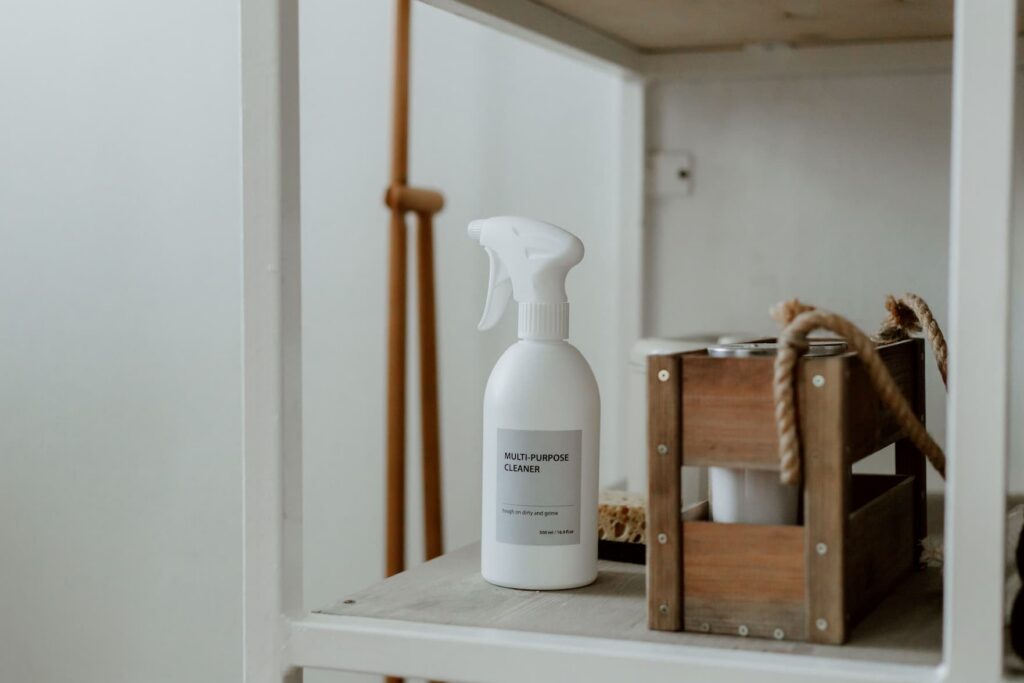
Trying to clean your home on a tight budget can feel like a strange little puzzle. You want products that work, smell decent, and don’t leave you wondering what half the ingredients are. If you’re raising kids, dealing with sensitivities, or just trying to make smarter buying choices, the stakes feel even more real. You don’t need a luxury budget to shop more carefully. You need a solid system, a sharp eye, and a little patience.
Start with the products you use the most
If your budget is limited, don’t try to replace everything at once. That approach usually ends with overspending and a cabinet full of half-used bottles that quietly judge you.
Start with the items you touch every day or use around your family the most. Think about:
- Dish soap
- Laundry detergent
- All-purpose cleaner
- Hand soap
- Bathroom cleaner
These products have the biggest impact on your routine and your spending. If one of them causes skin irritation, strong odors, or constant re-buying because it runs out too fast, it deserves a closer look.
A practical move is to track what you finish in a month. You may notice one product gets used far more than expected. That’s usually the best place to begin if you want safer options that also make financial sense.
Balance safety, performance, and cost
A safer product still has to do its job. If your laundry detergent leaves clothes dingy or your kitchen spray struggles against basic grease, you’ll likely use more of it or buy something else anyway.
That balance matters. A useful buying checklist includes:
- Does it clean effectively?
- How much do you need per use?
- Is it safe around kids or pets when used correctly?
- Does it trigger headaches or skin issues?
- Can you buy it consistently without wrecking your budget?
This is where customer experiences can be surprisingly helpful. Reading Melaleuca reviews can give you a clearer sense of how families evaluate home and wellness products in real life, not just in polished ad copy.
Real feedback often reveals the details companies leave out, like scent strength, how long a bottle lasts, or whether a cleaner earns permanent counter-space.
Learn how to read labels without needing a chemistry degree
Product labels can be slippery. A bottle may say “natural” or “fresh,” which sounds reassuring but tells you almost nothing useful. Marketing language often does a lot of heavy lifting.
Pay more attention to the ingredient list, usage directions, and dilution details. A concentrated cleaner that lasts for months may cost more upfront but less over time. On the other hand, a cheap spray that disappears in ten days is not exactly the coupon queen’s dream.
Look for specifics instead of vague promises. Fragrance-heavy formulas, harsh dyes, and needlessly long ingredient lists may be worth questioning, especially if someone in your home has allergies, eczema, or asthma.
You don’t need to panic over every unfamiliar word. You just need to compare products with a bit more intention and notice which brands are actually transparent.
Avoid the trap of false savings
Budget-conscious shopping isn’t only about the lowest sticker price. Sometimes the “cheap” option costs more because you need double the amount, replace it constantly, or end up buying a second product to fix the first one’s failure.
That pattern shows up often in household spending. You grab the least expensive cleaner on the shelf, then realize it barely works on soap scum, leaves residue, or has such a strong smell that no one wants to use the bathroom for an hour.
A smarter approach is to calculate value by use. Ask yourself:
- How many loads or cleanings does it actually cover?
- Do you need extra rinse cycles?
- Are you pairing it with another product?
- Does it prevent waste because it’s concentrated?
For families trying to stretch every dollar, these details matter more than branding. Saving money usually comes from fewer bad purchases, not from grabbing the cheapest bottle every single time.
Use simple testing habits before fully committing
Switching products can be frustrating if you go all in too quickly. A better strategy is to test one product at a time and pay attention to the practical stuff.
Try using a new cleaner or detergent for two to three weeks before making a decision. During that time, notice:
- Whether it works as promised
- How fast you go through it
- Any reactions from skin, breathing, or surfaces
- Whether your family actually likes using it
This part gets ignored a lot. A product may be technically great, but if the smell bothers everyone or the application is annoying, it probably won’t last in your routine.
Keep a short note on your phone with price, where you bought it, and whether you’d repurchase it. That tiny habit can stop you from making the same disappointing purchase six months later.
Think beyond cleaning strength and consider daily exposure
When you choose household products, you’re not only buying for mess removal. You’re also choosing what lingers on your counters, clothes, dishes, and hands.
That matters more in homes with babies, toddlers, or children who treat the floor like a second dining table. It also matters if you live in a small space where strong scents hang around longer, which is common in apartments and modest homes.
Daily exposure adds up through repeated use, especially with:
- Laundry products on clothing and bedding
- Dish soap used on cups and plates
- Surface sprays used on eating areas
- Hand soap used multiple times a day
You don’t need to become extreme or paranoid. You just want to be deliberate. Choosing products with a better overall profile for regular use can make your home feel more comfortable without turning shopping into a full-time research project.
Build a home system that works for your real life
The best household product routine is one you can actually maintain. Not the fantasy version with matching glass jars, endless DIY sprays, and the organizational energy of a professional home edit show.
If you’re parenting on a budget, managing a busy household, or simply trying to reduce overwhelm, keep the system simple. Choose a few products that cover most of your needs well, and buy them in a way that fits your cash flow. That might mean concentrated formulas, planned refills, or waiting for predictable sale cycles.
A realistic setup often includes:
- One reliable laundry product
- One everyday surface cleaner
- One dishwashing solution
- One bathroom-specific product
- One hand soap your family tolerates well
When comparing products, the EPA’s Safer Choice program can help you identify cleaners that meet its ingredient and performance standards. For broader household safety, Poison Control also offers guidance on using and storing cleaning products safely, especially in homes with children or pets.
You’re aiming for consistency, not perfection. Better choices usually come from paying attention, comparing carefully, and learning what actually serves your home. Once you do that, safer shopping stops feeling trendy and starts feeling practical.