
If you’re renting a car with a car seat, you have a right to expect the car seat to be safe. If you get into a crash and your child gets injured because the car seat wasn’t anchored properly, you have legal recourse. Read more to find out how you can take care of your child in such a situation.
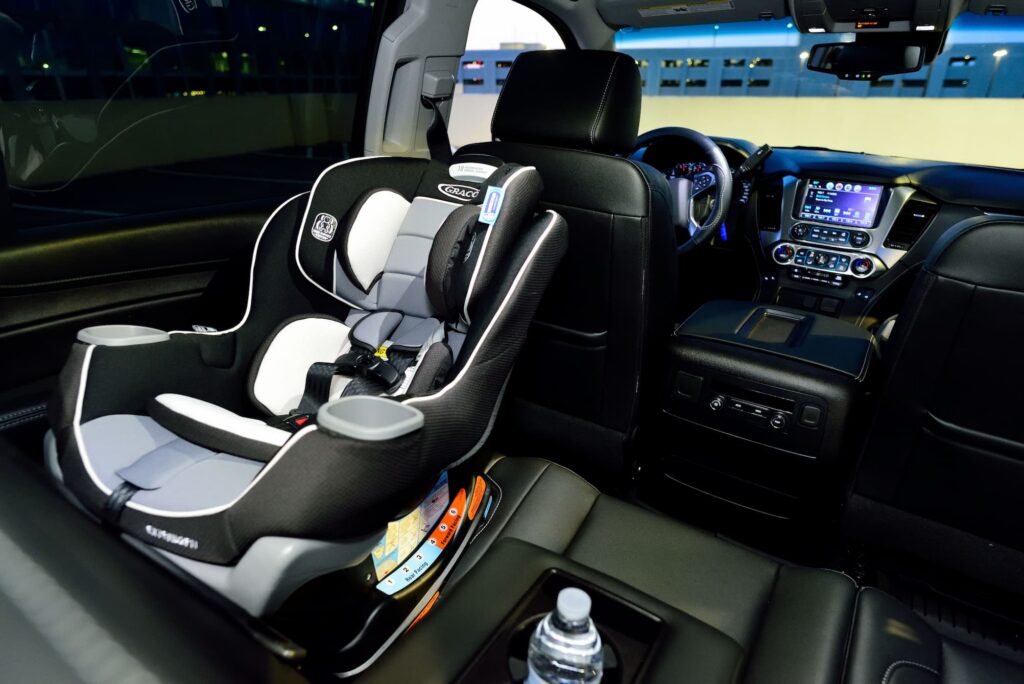
A family renting a car expects the vehicle to be safe, especially when young children are riding along. A faulty car seat anchor can turn an ordinary trip into a frightening accident when a child restraint does not stay secured during a crash. When that happens, car accident attorneys can help families look at whether someone else may be legally responsible for the child’s injuries. The rental company, vehicle manufacturer, car seat maker, or another party could potentially have a role depending on what went wrong. Knowing what to do after the incident can help a family protect its rights while dealing with the child’s recovery.
Start With the Car Seat and Anchors
Modern vehicles often come with anchor systems designed to make installing child safety seats easier. These anchors are meant to hold the restraint securely so it can protect a child during a collision.
If an anchor breaks, pulls loose, bends, or otherwise fails during a crash, the car seat may not perform as expected. That can leave a child exposed to injuries that might have been less severe if the restraint had remained properly secured.
Do not throw away the damaged car seat or attempt to repair it yourself. The condition of the equipment may become important evidence later.
Rental Companies Have Safety Responsibilities
When a family rents a vehicle, it is reasonable to expect the car to be in safe operating condition. Rental companies routinely maintain large fleets, but maintenance issues can still slip through the cracks.
A rental company could face questions if it knew or should have known about a safety problem and failed to address it. Maintenance records, inspection reports, and prior complaints may help show whether the company was aware of an issue.
That does not mean every injury involving a rental vehicle is automatically the rental company’s fault. The specific facts matter.
The Vehicle Manufacturer May Be Involved
Sometimes the problem has nothing to do with how a rental company maintained the vehicle. The anchor itself could have a design or manufacturing defect.
If a component was defective when it left the manufacturer, the company that designed or produced that part could potentially face liability. Investigating this type of case may require examining the damaged vehicle and comparing the failed component with other vehicles of the same model.
Preserving the vehicle and the broken parts can therefore be extremely important.
The Car Seat Manufacturer Could Also Face Questions
Families sometimes assume that only the vehicle can be responsible when a child restraint fails. That is not necessarily true.
The car seat itself could have a defective component, improper instructions, or another problem that contributed to the injury. If the restraint was installed according to the manufacturer’s instructions and still failed, that detail may deserve closer attention.
Keep the car seat, packaging, instructions, purchase information, and receipts, if available. These seemingly ordinary items could provide useful information later.
Document What Happened
After an accident, take photographs of the vehicle and the child restraint if it is safe to do so. Get clear pictures of the anchors, damaged components, seat belts, interior damage, and anything else that may help explain what happened.
Write down how the car seat was installed and what happened during the collision while the details are still fresh. If someone else installed the restraint, ask them to document what they remember as well.
Save the rental agreement, insurance information, accident report, medical records, and correspondence with the rental company.
Get Medical Care for the Child
A child may not always be able to explain an injury clearly after a frightening crash. Some symptoms may also take time to appear.
Have a medical professional evaluate the child after a significant collision, especially if there was a problem with the restraint system. Follow up if new symptoms develop or a doctor recommends additional care.
Keep records of appointments, treatment, prescriptions, medical bills, and other expenses related to the injury. These records can help establish the extent of the child’s injuries and the financial impact on the family.
What Legal Recourse May Be Available?
Legal options depend heavily on what caused the anchor to fail and who was responsible. A family may potentially have a claim involving negligence, a defective product, inadequate maintenance, or another legal theory.
More than one party can sometimes be involved. The rental company, vehicle manufacturer, car seat manufacturer, maintenance provider, or another responsible party may need to be investigated.
An attorney can review the evidence and help determine which claims may apply. That process can also help families avoid accepting an insurance payment before they understand the full extent of the child’s injuries.
Final Word
A faulty car seat anchor can raise serious questions when a child is injured in a rental vehicle. Families should preserve the damaged equipment, document the accident, keep medical records, and avoid rushing into a settlement. Speaking with car accident attorneys can help identify who may be responsible and what legal options the family may have. Most importantly, parents should focus on the child’s recovery while taking steps to protect the family’s legal rights.