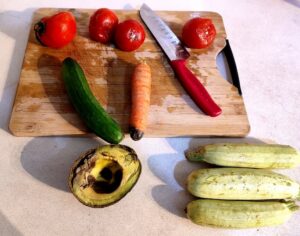
Food waste is one of those things that can really add up, especially with the cost of groceries these days. Fortunately, with a little planning, you can make the most of the food you buy, save money, and still feed your family healthy, delicious meals. Here are some practical ways to make that happen.
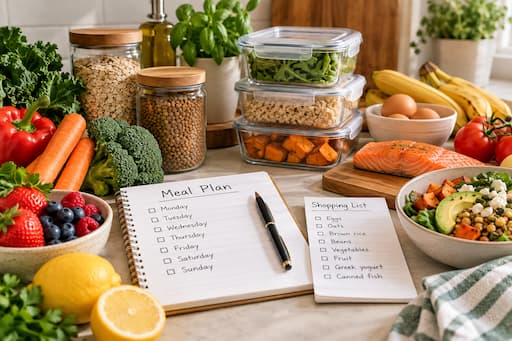
Reducing food waste starts before groceries enter your cart. When you plan meals around what you already have, what your household realistically eats, and which ingredients can serve several purposes, you save money while supporting better nutrition. The goal is not perfection; it is a flexible system that makes healthy choices easier and keeps good food from ending up in the trash.
A nutritious meal plan should also respect your routine. If digestive health is a priority, you might compare yogurt, kefir, fermented vegetables, fiber-rich beans, and even probiotics for men, then choose options that fit your budget and preferences. Thinking this way prevents impulse buys and helps every item earn a place on your weekly menu.
Start With an Inventory
Before shopping, check the refrigerator, freezer, pantry, and spice shelf. Write down proteins, grains, canned goods, produce, and leftovers that need attention. Move older items to the front so they are visible. This quick audit turns forgotten ingredients into the foundation for meals: wilted greens can become soup, leftover rice can anchor grain bowls, and half a jar of salsa can season eggs, beans, or chicken.
Build Meals Around Overlapping Ingredients
Choose two or three versatile ingredients for the week and use them in different ways. Roasted sweet potatoes can appear beside salmon, get tucked into tacos, and top a salad. A big batch of lentils can become soup, a burger mixture, or a filling for stuffed peppers. Repetition with small changes reduces waste without making meals feel boring.
Plan Portions, Not Just Recipes
Many families waste food because recipes produce more servings than they need. Estimate portions honestly, then decide whether leftovers will be lunch, frozen for later, or intentionally avoided by cutting the recipe in half. For balanced plates, pair a protein source with colorful vegetables, whole grains or starchy vegetables, and healthy fats. Planning portions also keeps snacks and treats in view, so they do not crowd out fresh foods.
Shop With a Purpose
A good list is organized by store section and tied to specific meals. Include quantities, such as “three apples” or “one bunch of cilantro,” instead of vague reminders to buy fruit or herbs. Avoid shopping hungry, and be cautious with bulk deals unless you have a storage plan. Low-cost staples, including oats, eggs, frozen vegetables, canned fish, beans, and brown rice, support nutritious meals and usually last longer than delicate specialty items.
Store Food So It Lasts
Storage is a nutrition strategy. Keep cut vegetables in clear containers at eye level, store herbs upright in a glass of water, and freeze bread, berries, cooked grains, or meat you will not use soon. Label containers with dates. Learn which produce prefers the counter, like bananas and tomatoes, and which lasts better chilled, like leafy greens and carrots.
Cook Once, Adapt Often
Batch cooking works best when components stay flexible. Prepare plain grains, simply seasoned proteins, washed greens, and a sauce or dressing. During the week, assemble them into bowls, wraps, soups, omelets, or salads. If a meal tastes tired, change the texture with toasted nuts, crisp vegetables, or a squeeze of lemon.
Use Scraps and Leftovers Creatively
Vegetable peels, stems, and bones can make stock. Overripe bananas can sweeten oatmeal or muffins, and soft fruit can become smoothies or compote. Leftover roasted vegetables can go into frittatas, quesadillas, or pasta. Keep one “use first” bin in the refrigerator so everyone knows what should be eaten soon.
Make Waste Reduction a Habit
At the end of each week, notice what was thrown away and why. Maybe you bought too much salad, forgot a thawed protein, or scheduled more cooking than your evenings allowed. Adjust next week’s plan instead of blaming yourself. Keeping a simple list of favorite low-waste meals also reduces decision fatigue. When you know that spinach can become pesto, eggs can rescue leftover vegetables, and soup can absorb odds and ends, planning feels practical, not restrictive, and nutritious eating becomes easier to repeat weekly.