
Makeup can get expensive, especially when you keep buying new products without finishing the ones you already have. But you don’t need to give up wearing makeup to save money on it. Here are some ways to cut down on makeup expenses without sacrificing your beauty routine.
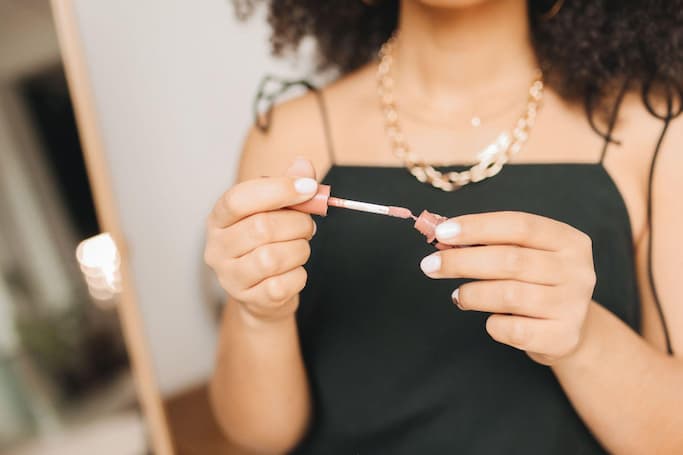
Makeup can become one of those household expenses that looks tiny until it’s spread across a year, like buying a replacement sponge here, a lipstick because the old one has gone funny in the tube, another concealer because the first one wasn’t quite the right shade, and suddenly the bathroom drawer is full while the money is gone.
I don’t think the answer is to tell people they shouldn’t enjoy makeup, because a little routine can make someone feel pulled together before school pickup, a job interview, a family gathering, or an ordinary Tuesday when the laundry has won again.
The useful question is whether each product earns its place. A budget routine doesn’t have to mean the cheapest item on every shelf; it means buying fewer things with a clear job, using them before they expire or disappear into the drawer, and resisting the little rush that comes from bringing home something that’s nearly identical to three things already owned.
Start by Taking Stock of What You Already Own
I would start by laying everything out in daylight, which can be mildly humbling but is much cheaper than buying another organizer. Put foundations, powders, eye products, lip products, tools, and samples in separate groups, then look for duplicates and products that have dried out, smell off, or simply never suit your skin.
The point isn’t to punish yourself for a bad purchase; nearly everyone has bought a color that looked wonderfully sensible under store lighting and strangely theatrical at home. It’s to learn what gets used.
Someone who wears tinted moisturizer and brow gel most days probably doesn’t need a full collection of foundations, while someone who genuinely wears a particular powder daily may be better served by choosing one dependable option rather than repeatedly trying bargain versions that sit untouched.
Think About Cost Per Use, Not Just Price
A product from Bare Minerals can make sense in a pared-down routine if it’s the shade, finish, and formula a person actually reaches for, not because its name makes it feel like a required purchase.
Cost per use is a better way to think than sticker price: an item used almost every day may be a sensible buy, while a deeply discounted palette is still wasted money if it stays unopened.
I also favor a short waiting period for anything that’s not replacing an empty staple. Put it on a list, use what’s already open for a week or two, and see whether the desire survives. Sales are designed to make waiting feel foolish, but buying something unnecessary at a lower price doesn’t create savings.
Keep Your Makeup Routine Simple and Organized
The other half of spending less is making the routine easier to maintain. Keep the handful of everyday products where you can see them, wash brushes before they become stiff and unpleasant, close caps tightly, and use a small pouch for makeup carried outside the house so the entire collection doesn’t migrate into a purse.
Samples are particularly sneaky because they feel free, but they can turn into clutter if they’re saved for some imaginary perfect occasion. Use them promptly, pass along unopened items that are suitable to share, and be realistic about what your mornings look like.
A five-minute face is more valuable than a complicated routine that only works on the rare day everyone wakes up early, and nobody needs help finding a shoe.
Less Makeup Can Mean Less Stress
I think the most peaceful makeup drawer contains enough choice to be enjoyable and little enough that every item is familiar. That leaves room in the household budget for the expenses that don’t wait politely in a drawer, and it also means getting ready feels like one small act of care rather than another stream of decisions before breakfast.